
How to Buy a Human Skull: The Complete Buyer’s Guide
Buying a human skull is legal in most countries and more straightforward than many people expect, provided you buy a lawfully sourced specimen from a reputable dealer who documents its origin. The keys are knowing how to tell a real skull from a replica, understanding the law where you live, checking provenance, and buying from a specialist rather than an anonymous marketplace. This guide walks you through the entire process: what you can buy, how much it costs, how to spot a fake, the legal position, and where to buy safely.
This is the practical buyer’s companion to our complete guide to the human skull, which covers the anatomy and science.
Can you buy a human skull?
Yes, you can buy a human skull. In most countries it is perfectly legal to own and purchase a lawfully sourced human skull, and there is a long-established, legitimate market serving students, doctors, researchers, artists, and collectors. The specimen itself is rarely the legal issue; what matters is where it came from and the rules where you live.
People are often surprised that this is legal at all, because the major online marketplaces have banned human remains. Etsy prohibited them in 2012 and eBay in 2016, which pushed the trade toward specialist dealers. So while you cannot buy a genuine skull on those platforms, you absolutely can from a reputable specialist who handles the material lawfully and documents its origin. The rest of this guide explains how to do that well.
The step-by-step process of buying a human skull
To make this practical, here is the whole process from start to finish. Following these steps in order protects you from the common mistakes and leads to a purchase you can trust.
- Decide real or replica. Be honest about your purpose and budget. If authenticity is not essential, a replica is cheaper, legal everywhere, and durable.
- Confirm the law where you live. Check that you can lawfully own and receive a human skull in your country, state, or region before you shop.
- Set a realistic budget. Understand the price range for genuine specimens so you can recognize both fair pricing and suspicious bargains.
- Choose a reputable specialist dealer. Avoid marketplaces and anonymous listings. Look for a dealer who documents provenance and answers questions.
- Assess the specific specimen. Check authenticity, completeness, condition, and provenance. Insist on clear photographs of the actual skull.
- Confirm shipping and legality to your address. A good dealer verifies they can lawfully ship to you before taking payment.
- Buy and care for it properly. Once it arrives, follow the care guidance below to preserve it.
Each of these steps is expanded in the sections of this guide. Taken together, they turn what can feel like an intimidating purchase into a clear, manageable process. If it is your first time, our guide on buying your first human skull is the ideal next read.
Real human skull vs. replica: which should you buy?
The first decision is whether you want a genuine skull or a replica, and both are legitimate choices depending on your purpose and budget. Understanding the difference is essential before you spend anything.
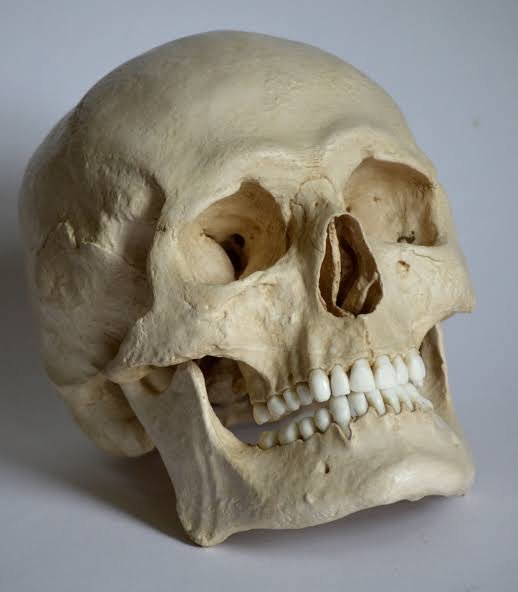
A real human skull is genuine bone, with the authenticity, natural variation, and detail that serious study and collecting demand. Most genuine specimens on the market are antique ex-medical teaching skulls. A replica skull is an accurate resin or plastic cast, far cheaper, extremely durable, legal almost everywhere, and ideal for teaching, art, or a first piece.
| Factor | Real human skull | Replica skull |
|---|---|---|
| Material | Genuine bone | Resin or plastic cast |
| Authenticity | Unique, natural variation | Accurate but identical each time |
| Price | Higher (hundreds to thousands) | Much lower |
| Legality | Restricted in some places | Legal almost everywhere |
| Best for | Study, research, collecting | Teaching, art, decor, first piece |
If you need genuine bone, read on. If a replica would serve you better, see our dedicated guide to replica and model skulls. For a full breakdown of the differences, see our guide on telling a real human skull from a replica.
How to tell a real human skull from a fake
If you are buying a genuine specimen, you need to know it is real. Replicas have become so good that telling them apart takes a little knowledge, so here is what to check. These are the tells experts use.
- Weight and feel. Real bone is surprisingly light and cool to the touch. Solid resin often feels heavier or slightly warm.
- Surface texture. Authentic bone has a faintly porous, matte surface with fine natural detail. Casts are smoother and can show a mold seam.
- The sutures. On a real skull the sutures are unique, intricate, and three-dimensional. On a replica they are identical to every other copy and often shallower.
- The teeth. Real teeth show natural variation, wear, and slight discoloration. Moulded teeth are uniform.
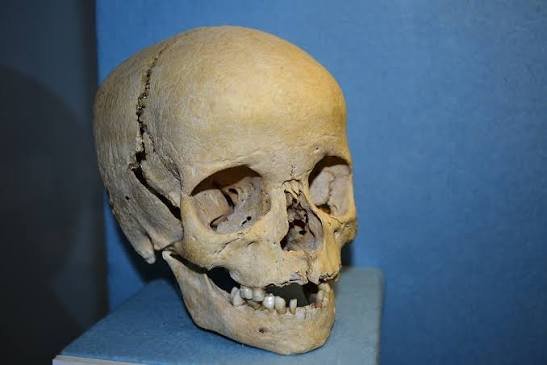
- Ex-medical signs. Many genuine skulls were teaching specimens, so look for a cut calvarium (a removable skull cap), brass hooks, hinges, or numbering. These are strong signs of an authentic antique medical skull.
- Natural asymmetry and color. Real skulls are slightly asymmetric with subtle, uneven coloring. Perfect symmetry and uniform color suggest a cast.
A reputable dealer will happily discuss these features and confirm a specimen is genuine. Our guide on real vs replica human skulls covers all the tells in full detail.
Where do genuine human skulls come from?
Understanding provenance is central to buying well, so it helps to know where genuine specimens originate. Nearly every real human skull on the legitimate market today is an antique ex-medical teaching specimen.
For most of medical history, students learned anatomy from real bone, and a substantial industry supplied prepared skulls and skeletons to medical and dental schools across Europe and North America. That supply has ended: India banned the export of human remains in 1985, and China, which had partly filled the gap, followed in 2008. Because little new material has entered the market since, most genuine skulls now circulate from retiring physicians, closing teaching collections, and long-held private holdings. This history is covered in depth in our guide to the history of the medical bone trade.
This is why provenance matters so much and why a price far below the market should raise concern rather than excitement. A genuine antique medical skull has a plausible history; a cheap, undocumented one may not. Our guide on ethically sourced human bones explains what responsible sourcing looks like.
Is it legal to buy a human skull?
In most countries, yes, it is legal to buy and own a lawfully sourced human skull, but the law varies by location, and it is your responsibility to confirm the rules where you live. Here is the general picture.
In the United States, there is no federal ban on owning or selling human remains, with one major exception: Native American remains, which are protected under NAGPRA. Regulation is otherwise left to the states, and most place no restriction on lawfully obtained specimens, though a few are stricter, with Louisiana, Georgia, and Tennessee the most consistently cited. In the United Kingdom, private ownership is generally lawful, though a license is required to publicly display remains under 100 years old, and legislation is currently under review. Some countries restrict import entirely, and source countries such as India and China ban export.
Because the position depends on where you are, always confirm your local rules before buying, and buy from a dealer who confirms they can lawfully ship to your address. Our full guide on whether it is legal to own a human skull covers this in detail. A responsible seller will never complete a sale they cannot fulfill lawfully.
How much does a human skull cost?
Genuine human skulls are a significant purchase, and knowing the price range helps you budget and spot a suspicious deal. Prices reflect authenticity, condition, completeness, and provenance.
As a general guide, a genuine ex-medical human skull typically starts in the region of a thousand to two thousand, with well-documented, complete specimens in good condition commanding more. Rare features, pathology, or exceptional provenance push prices higher, into several thousand. Replicas, by contrast, cost a fraction of this. A skull priced far below the going rate should prompt caution, since it may be poorly sourced, damaged, or misrepresented. Our detailed guide on how much a human skull costs breaks down the factors that set the price.
Remember that with genuine specimens, value follows provenance and quality. A well-documented, complete skull from a transparent dealer is worth far more and is a far safer purchase than a cheap, unexplained one.
What to look for when buying a human skull
Beyond authenticity and legality, several quality factors determine whether a particular skull is a good buy. Check these before you commit.
- Completeness. Is the skull complete? Does it include the mandible (lower jaw), which is often separate and adds value? Are the teeth present?
- Condition. Look for cracks, damage, repairs, or missing pieces. Antique specimens may show age, but serious damage reduces value.
- The calvarium. Many teaching skulls have a cut, removable skull cap, which is normal and often desirable for study, revealing the interior.
- Articulation and hardware. Spring-mounted jaws and brass fittings are signs of a genuinely prepared medical specimen.
- Documentation. What can the seller tell you about the skull’s origin and history? The more transparent, the better.
- Photographs. Insist on clear photographs of the actual specimen from multiple angles, not a stock image.
A good dealer welcomes these questions. Browse our documented human skull collection, where each specimen is described honestly so you know exactly what you are buying.
Who buys human skulls, and why?
If you are considering a purchase, it helps to know you are in legitimate company, because human skulls are bought by a wide and reputable range of people. The market is far from the morbid stereotype.
Buyers include medical and dental students learning anatomy, physicians and surgeons who want a reference, forensic and anthropology researchers, artists studying the structure of the face, educators and institutions building teaching collections, and private collectors who value the skull as an object of science, history, and natural beauty. Each has a genuine reason, whether it’s study, teaching, art, or considered collecting. Our guide on who buys human bones explores these motivations. Whatever brings you to it, buying a human skull is a long tradition of curiosity and respect for the human form.
Choosing the right skull for your purpose
The right skull depends on why you want it, and matching the specimen to your purpose ensures you are happy with the purchase. Here is a simple guide.
| If you want it for… | Consider… |
|---|---|
| Anatomy study | A complete specimen, ideally with a cut calvarium and articulated jaw, or a quality replica |
| Medical or dental teaching | A numbered or well-prepared specimen, or a didactic replica for durability |
| Art reference | A complete skull with good natural detail, real or a realistic replica |
| Serious collecting | A genuine, well-documented specimen with strong provenance |
| Display or decor | A characterful, genuine skull, or an affordable, realistic replica |
| A first purchase | A replica, or an entry-level documented genuine specimen |
If you are new to this, our guide on buying your first human skull walks you through the decision step by step. Matching the skull to your real purpose is the surest way to a purchase you will value for years.
Where to buy a human skull safely
This is the most important decision of all: buy from a reputable specialist, not an anonymous listing. Because the major marketplaces have banned human remains, and because provenance and legality matter so much, the seller you choose is critical.
A reputable specialist dealer will document a specimen’s origin as far as it is known, describe its condition honestly, show clear photographs of the actual skull, confirm they can lawfully ship to your location, and answer your questions before you buy. Be wary of any seller who will not discuss provenance, uses only stock images, offers a price far below the market, or is evasive about legality. These are the warning signs of a purchase to avoid.
Buying from a specialist also gives you the guidance to choose well, the assurance that a specimen is genuine and lawful, and proper, secure packing for a fragile and irreplaceable object. Browse our curated collection of real and replica human skulls, each responsibly sourced, documented, and described in full.
Buying a full human skeleton or other bones
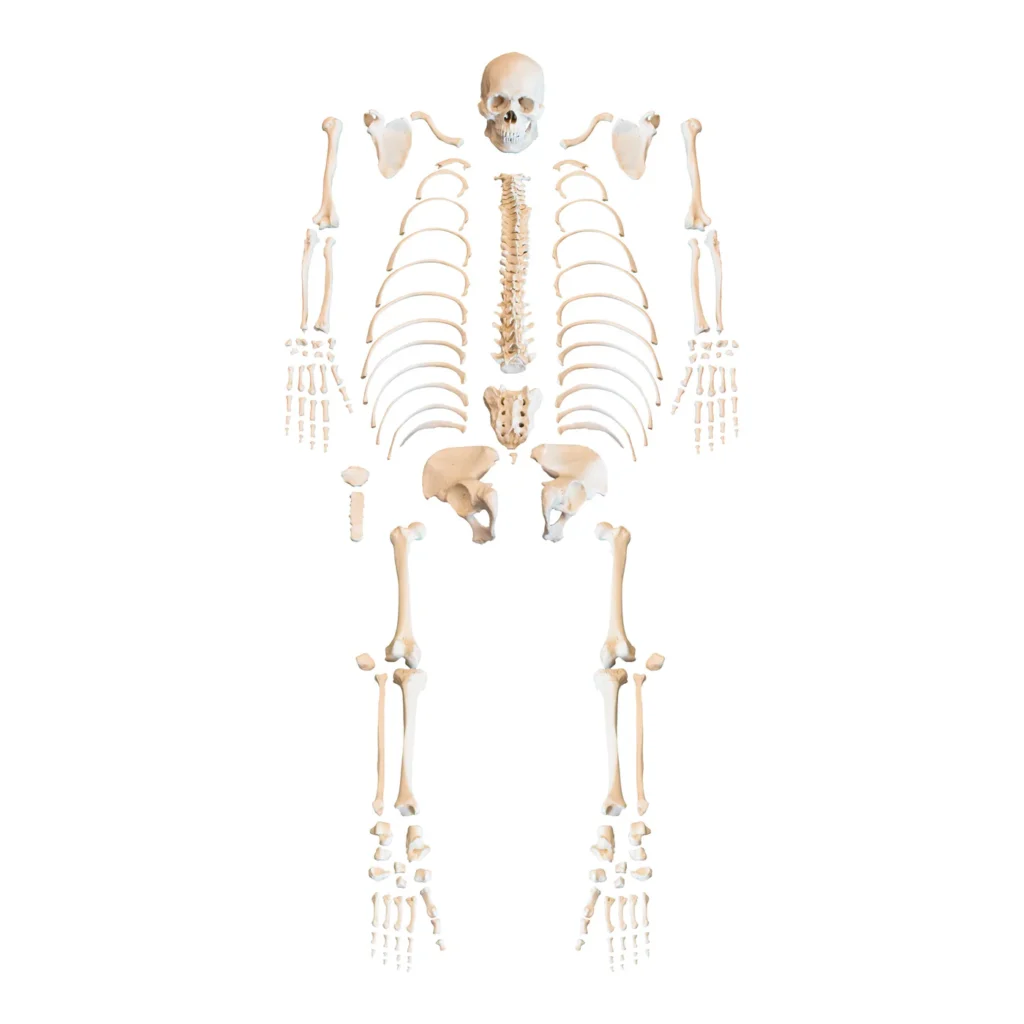
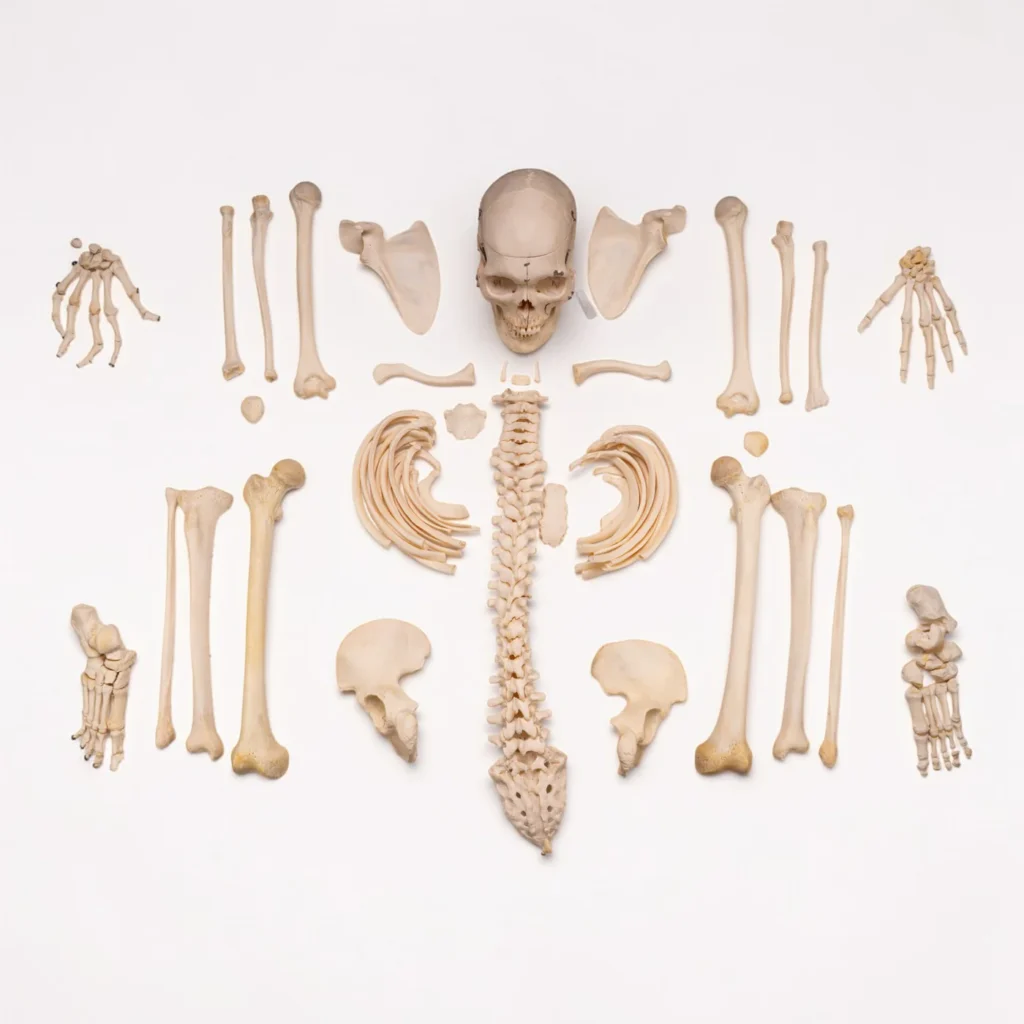
Many people who start with a skull go on to want more, so it is worth knowing that the same principles apply across all human osteology. Beyond the skull, the market includes full articulated skeletons, individual postcranial bones, and specific specimens like a hand, a foot, or a spine.
A full human skeleton is a major purchase, both in price and significance, and genuine articulated skeletons are increasingly scarce as the same export bans that limited skulls limited whole skeletons too. Everything in this guide, authenticity, legality, provenance, and buying from a specialist, applies equally, only more so, given the higher value. Individual bones can be a more affordable and space-conscious way to build a study collection. Whatever you buy, the rules are the same: confirm it is genuine and lawful, insist on provenance, and buy from a reputable dealer. Our guide on how to buy a real human skeleton covers the whole-skeleton purchase in detail, and you can browse specimens in our human osteology collection.
International shipping and buying from abroad
Because genuine specimens are relatively rare, many buyers purchase from a dealer in another country, so it is important to understand how international buying works. The specimen must be lawful to export from the seller’s country and lawful to import into yours, and both conditions must be met.
Some countries ban the export of human remains entirely, and some restrict import, so a responsible dealer checks the route before selling. When you buy internationally, expect the dealer to confirm they can lawfully ship to your specific country, and be aware that customs may inspect the shipment. Reputable specialists are experienced in shipping specimens properly and discreetly, in plain, secure packaging that protects a fragile object in transit. If a seller is vague about whether they can legally ship to you, treat that as a warning sign. A trustworthy dealer will not complete a sale they cannot fulfill lawfully and will tell you plainly if they cannot ship to your location. This protects you from a specimen being seized or refused at the border.
How to spot a scam or an unethical seller
Because this is a specialist market with real money involved, it attracts some bad actors, and knowing the warning signs protects both your money and your conscience. Watch for these red flags.
- No provenance. A seller who cannot or will not say anything about where a specimen came from is one to avoid.
- Prices far below the market. A genuine skull priced suspiciously low may be poorly sourced, damaged, misrepresented, or worse.
- Stock photos only. Insist on clear images of the actual specimen. A refusal is a red flag.
- Evasiveness about legality. A reputable dealer is upfront about the law and about shipping to your location.
- Marketplace or social media listings. Genuine specialists rarely sell genuine remains through banned marketplaces or anonymous social accounts.
- Pressure to buy quickly. Legitimate dealers give you time to ask questions and consider.
Trust your instincts. If something feels off about a seller or a specimen, walk away. The ethical dimension matters too: buying from a transparent, responsible dealer ensures your purchase supports the legitimate, respectful side of this market rather than the shadowy edges of it. Our guide on ethically sourced human bones explains what to look for.
Caring for your human skull after purchase
Once you have bought a genuine skull, a little care keeps it in good condition for generations, and it is worth knowing before you buy. A real skull is durable but irreplaceable.
Keep it out of direct sunlight, which yellows and dries bone over time, and aim for stable, moderate humidity, since damp encourages mold and very dry air causes cracking. Handle it by supporting the cranium, never lifting by the delicate zygomatic arches, the teeth, or the nasal bones. Dust gently with a soft, dry brush, and never wash bone or use household cleaners, which stain and degrade it. If the skull has a hinged calvarium or brass fittings, handle the hardware gently. A display case protects a specimen from dust, knocks, and curious hands and shows it to the best effect. Treated this way, a genuine skull lasts indefinitely, which is why antique specimens survive in fine condition today.
Special and pathological specimens
As you learn more, you will discover that some skulls are far more sought after than others, and understanding this helps you recognize value. Beyond a standard complete skull, certain specimens command premium prices and interest.
Pathological specimens, skulls showing disease, injury, or unusual conditions, are especially valued by medical collectors and educators because they illustrate things a healthy skull cannot. Skulls with documented provenance, where the history is known, are worth more for the certainty they carry. Complete specimens with the mandible and full dentition are more desirable than partial ones. And antique preparations with fine ex-medical craftsmanship, elegant articulation, quality hardware, and a cleanly cut calvarium carry both historical and practical value.
For a first purchase, a standard complete specimen is the sensible choice. But knowing that these premium categories exist helps you understand pricing and, in time, guides more advanced collecting. A reputable dealer can explain what makes a particular specimen special and whether its price reflects that.
Displaying a human skull
Once you own a skull, how you display it matters both for its preservation and for how it is perceived, so it is worth thinking about before you buy. A genuine skull is a striking object, and thoughtful display treats it with the dignity it deserves.
A glass dome or display case is the classic choice: it protects the specimen from dust, handling, and pests while presenting it beautifully, and it signals that the skull is a curated object rather than a mere ornament. Good lighting, kept out of direct sunlight, brings out the detail of the bone. Many collectors display a skull as part of a wider cabinet of curiosities, alongside other natural history specimens, which places it in a tradition of study and wonder. Whether you choose a single dramatic piece under glass or a considered grouping, the aim is the same: to show the skull with care and respect. Our cabinet of curiosities guide covers styling and display in depth.
A note on respect
Buying a human skull carries a responsibility that sets it apart from any other purchase: this was once a living person. The most respected collectors and institutions treat human remains with dignity, valuing them as objects of study, history, and remembrance rather than mere curiosities. A reputable dealer shares this attitude, and the best buyers do too. Approaching a purchase with respect for the person the skull once was is not only ethical; it is the mark of a serious and thoughtful collector.
Frequently asked questions
Can you buy a human skull?
Yes. In most countries it is legal to buy and own a lawfully sourced human skull. There is a long-established market serving students, doctors, researchers, artists and collectors. The major marketplaces have banned human remains, so buy from a specialist dealer instead.
Is it legal to buy a real human skull?
In most countries, yes, for a lawfully sourced specimen. There is no federal ban in the United States, though Native American remains are protected under NAGPRA and a few states restrict sales. The UK generally permits private ownership. Always confirm your local law before buying.
How much does a real human skull cost?
A genuine ex-medical human skull typically starts around a thousand to two thousand, with complete, well-documented specimens costing more, and rare or pathological examples reaching several thousand. Replicas cost far less. A price far below the market should raise caution.
How can I tell if a human skull is real?
Real bone is light and slightly porous, with unique suture lines, naturally varied teeth, and often ex-medical signs like a cut calvarium or brass hardware. Replicas are uniform, sometimes show a mold seam, and have identical sutures on every copy.
Where can I buy a human skull?
From a reputable specialist osteology dealer who documents provenance and confirms legality. The major online marketplaces have banned human remains, so specialist dealers are the safe and legitimate source for genuine specimens.
Why can’t you buy human skulls on eBay or Etsy?
Etsy banned human remains in 2012 and eBay in 2016. Genuine specimens are therefore sold through specialist dealers who handle the material lawfully and document its origin, rather than through general marketplaces.
Should I buy a real skull or a replica?
A real skull suits serious study, research, and collecting, where authenticity matters. A replica is cheaper, durable, legal almost everywhere, and ideal for teaching, art, decor, or a first purchase. Choose based on your purpose and budget.
What should I check before buying a human skull?
Confirm it is genuine, lawfully sourced, and documented; check completeness, condition, and whether the jaw is included; ask about provenance; insist on clear photographs of the actual specimen; and make sure the seller can lawfully ship to you.
Does a human skull come with the jaw?
Not always. The mandible (lower jaw) is a separate bone and is sometimes sold separately or missing. A complete skull with the mandible and full dentition is more desirable and more valuable, so check what is included before buying.
Can I buy a human skull from another country?
Often yes, but the specimen must be lawful to export from the seller’s country and lawful to import into yours. A reputable dealer confirms they can lawfully ship to your address before selling. Customs may inspect the shipment.
What makes one human skull more valuable than another?
Provenance, completeness (including the mandible and teeth), condition, and any special features such as pathology or fine ex-medical preparation. A well-documented, complete specimen in good condition is worth far more than a cheap, undocumented one.
Buy a human skull with confidence.
Buying a human skull is a legitimate, legal, and rewarding purchase when done properly: a genuine, documented specimen from a reputable dealer, chosen to suit your purpose, and cared for with respect. Now that you know how to tell real from replica, understand the law, judge the price, and choose a seller, you can buy with confidence. Browse our curated collection of real and replica human skulls, explore our complete guide to the human skull, or read our related guides on legality, ethical sourcing, and cost. Every specimen is responsibly sourced, fully documented, and ships worldwide in 3 to 5 days.