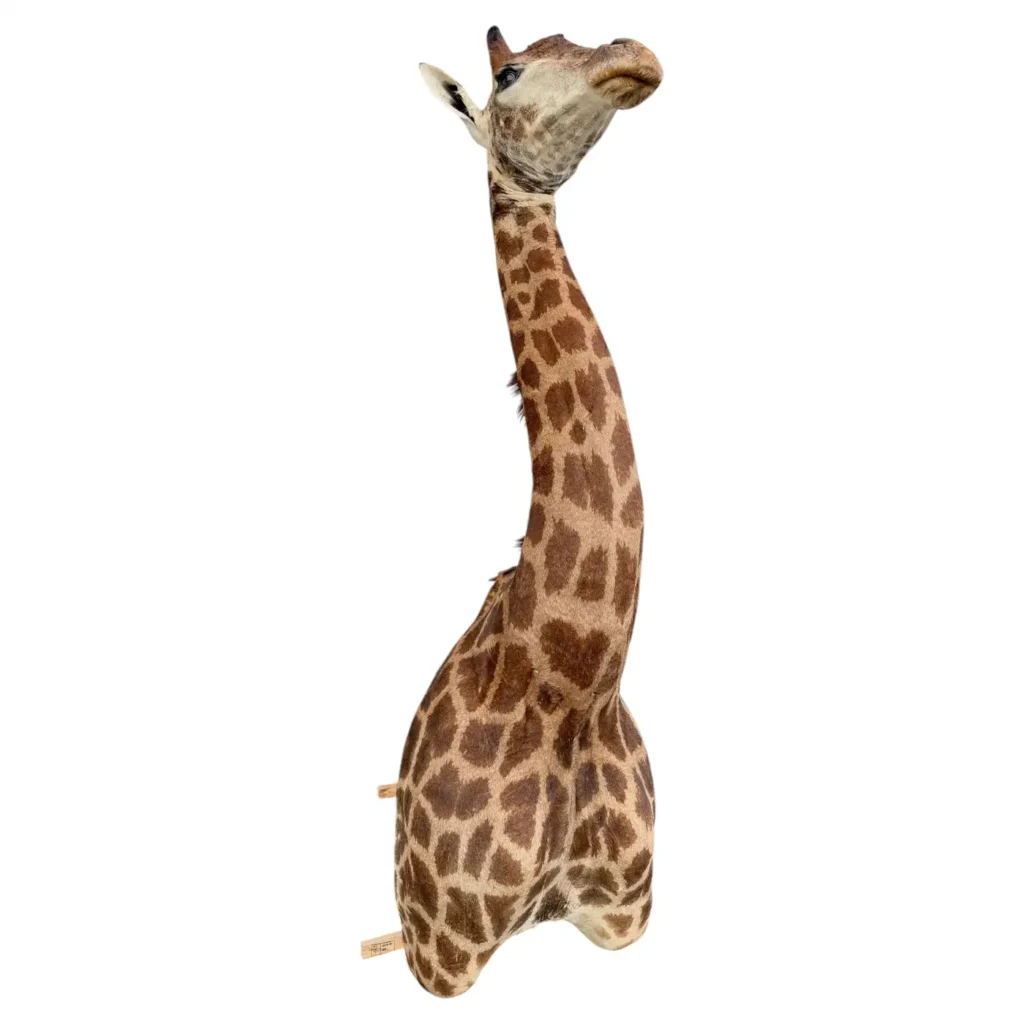
mammoth tusk preservation and restoration
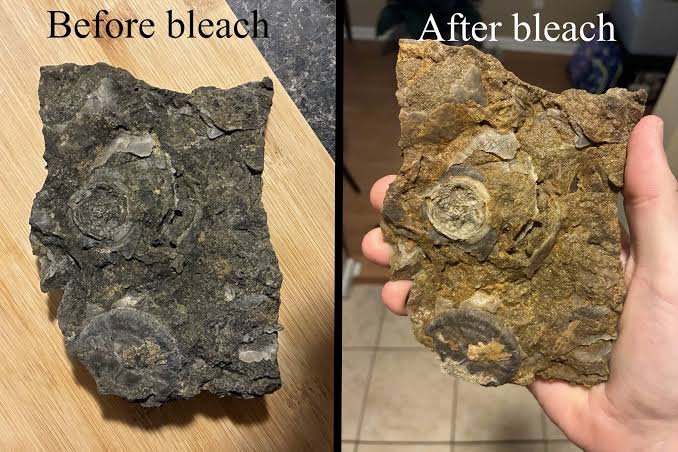
How to Clean Fossils: A Safe, Step-by-Step Guide To clean a fossil…
The vast majority of ethically sourced human bones sold today are antique ex-medical “teaching specimens,” skulls, and skeletons prepared for doctors and students mostly in India until 1985 and China until 2008. As those generations of medical professionals retire and pass on, their reference bones re-enter circulation through estates, schools, and specialist dealers. Ethical sourcing means a specimen has a documented, lawful, ex-medical origin and was never grave-robbed, looted, or taken from a recently deceased person without consent.
For most of medical history, training a doctor meant studying real human anatomy, and that required real bones. In 18th and 19th-century Britain, demand was so high it fueled grave-robbing by so-called “resurrectionists,” a scandal that eventually drove reform and a regulated supply.
By the early 20th century, commercial trade had matured. Cleaned skeletons were prepared at scale, primarily in India, and exported to Europe and the United States, where supply companies added their own articulation and branding before selling them to medical and dental students. India banned the export of human remains in 1985, and China, which had partly filled the gap, followed in 2008. Those two bans effectively ended the production of new medical osteology, which is why almost everything on the market today is antique.
“Ethically sourced” is not a marketing slogan; it describes a verifiable chain of custody. For human osteology, it means the specimen is
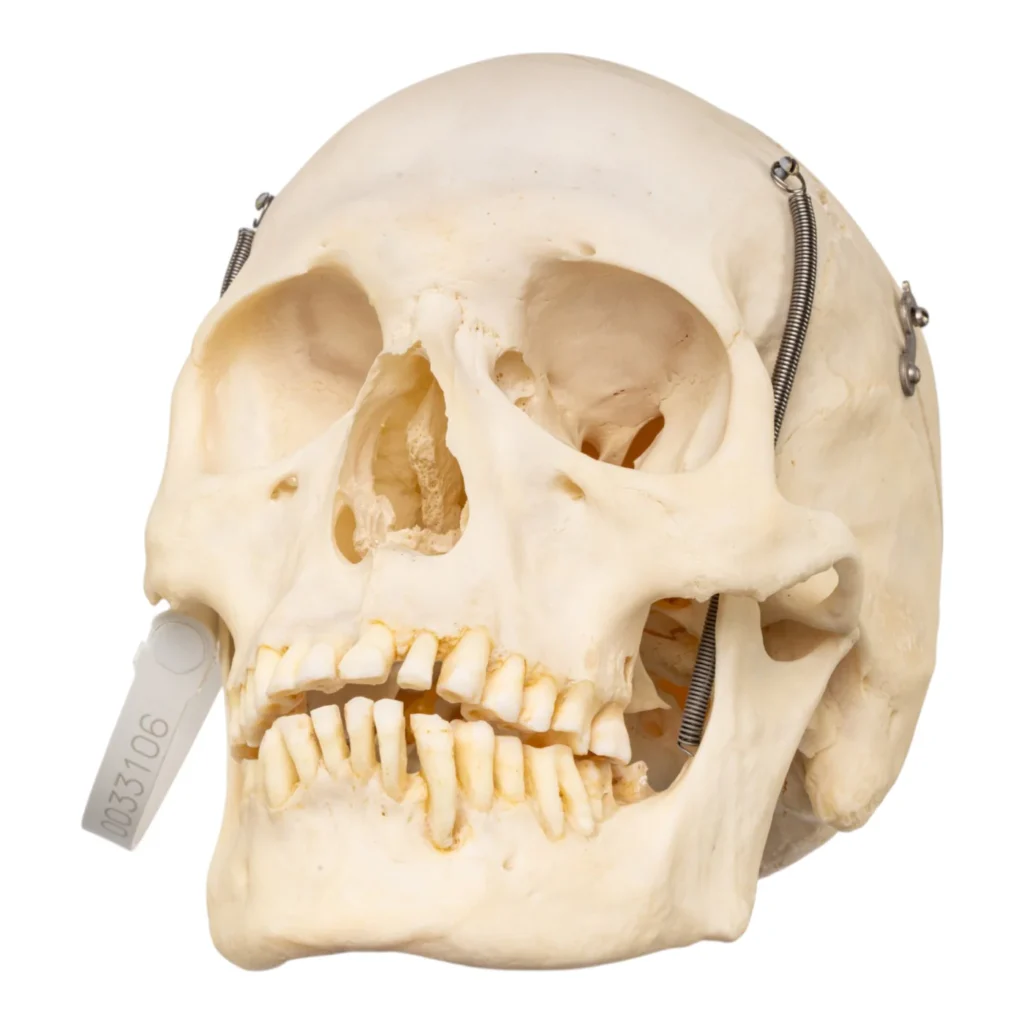
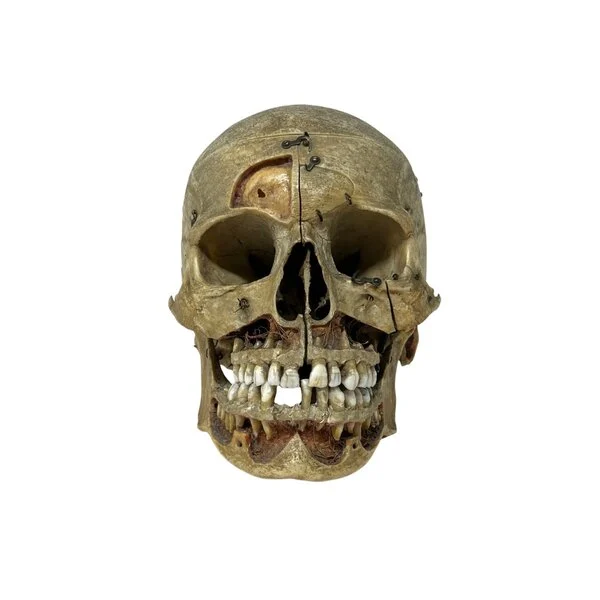
Genuine ex-medical specimens carry tell-tale signs of their original purpose. Learning to read them is the best protection a buyer has:
By contrast, soil staining, root etching, adhering soft tissue, or a suspiciously low price all point away from a clean ex-medical origin.
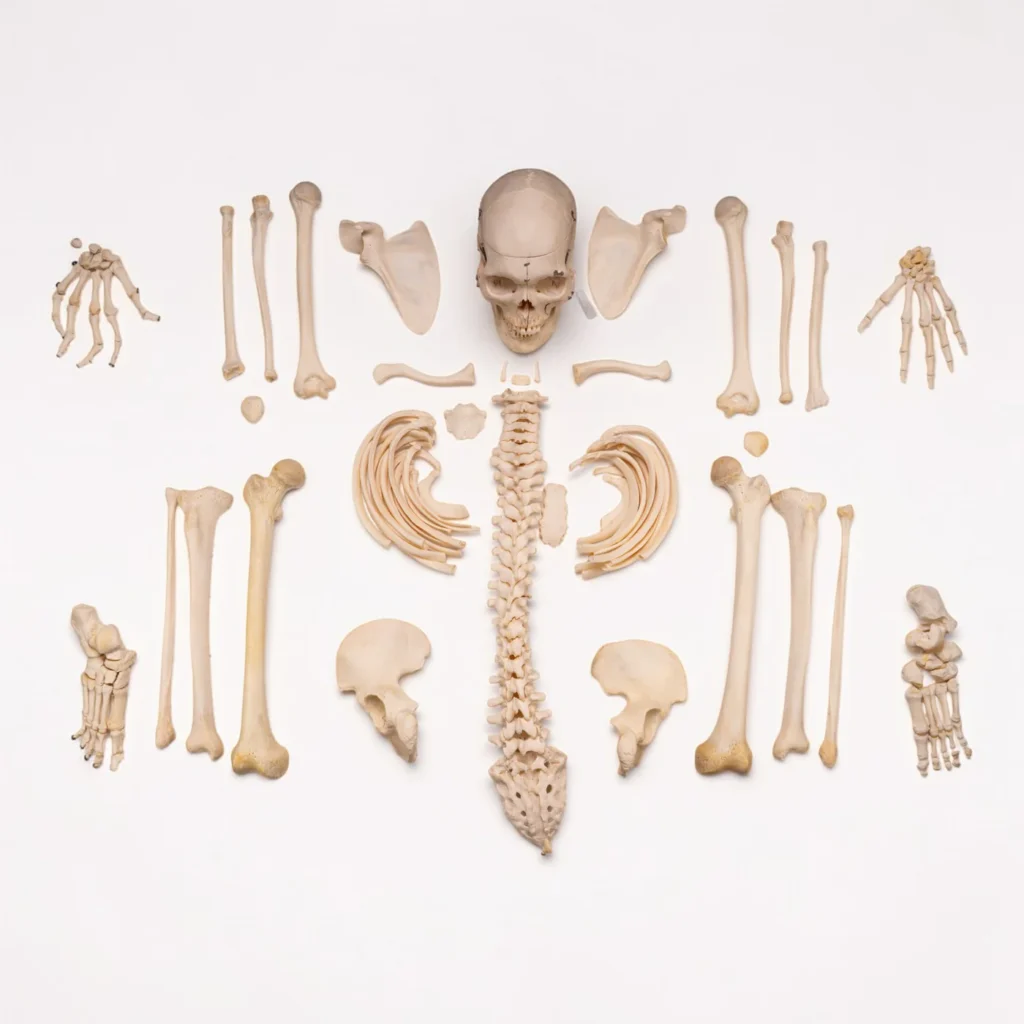
Featured specimen: Disarticulated Real Human Skeleton: €6,500.00. A complete teaching set in the ex-medical tradition, prepared for study and responsibly curated. View specimen →
Walk away from any specimen that is or might be:
The illicit trade in human remains causes real harm, from grave desecration to the looting of ancestral remains. Buying only documented, ex-medical specimens from transparent sellers is how responsible collectors keep their distance from this.
Also available: Half Real Human Skeleton: €3,499.00 A half-set in the classic medical school format, ideal for focused anatomical study. View specimen →
| Source | Typical signs | Responsible for buying? |
|---|---|---|
| Antique ex-medical specimen | Hardware, cut calvarium, lab cleaning, labels | Yes |
| Estate or retired-collection piece | Known history, documentation | Yes, with provenance |
| Recently exhumed remains | Soil, roots, soft tissue | No |
| Indigenous or archaeological | Burial context, cultural markers | No, repatriate |
| Anonymous social-media listing | No provenance, very low price | No |
Largely no. The export bans in India (1985) and China (2008) ended most new production, so the modern market is overwhelmingly antique ex-medical specimens being rehomed rather than newly sourced bones.
Universities and medical schools stocking labs, clinicians and physiotherapists, forensic and anthropology educators, artists working from real anatomy, and private collectors who value the science and history. The motivation is overwhelmingly study and preservation.
Not always. Many genuine antique specimens predate any formal record-keeping, so provenance is pieced together from labels, preparation style, and collection history. Beware sellers who produce official-looking “certificates” on demand, as these are often meaningless.
It depends on your purpose. Real specimens show authentic bone density, variation, and pathology that replicas cannot. Replicas are a responsible, lower-cost choice when you need anatomy for display or hands-on teaching without the provenance considerations of real remains.
Sourced responsibly, curated with care. Browse authentic human osteology and museum-grade replicas for education, research, and collection. Explore the collection → Worldwide shipping. Verified, responsibly sourced specimens.
buy human skull human skull for sale Real Human Skull for Sale realistic human skull for sale Human skeleton for sale buy human bones real human skeleton for sale human bones for sale real human bones for sale real human spine for sale buy elephant skull elephant skull for sale where do human bones come from