
Cabinet of Curiosities: How to Start One
A cabinet of curiosities is a curated collection of natural and unusual objects, from skulls and taxidermy to fossils, shells, and oddities, displayed together to spark wonder. To start one, pick a theme, choose a few strong pieces, source them ethically, and arrange them with care. This guide shows you how to build a cabinet of curiosities you will love, whether it fills a shelf or a whole room.
What is a cabinet of curiosities?
A cabinet of curiosities is a collection of rare, natural, and strange objects gathered for their beauty and interest. The tradition goes back to the wunderkammer, the “wonder rooms” of Renaissance Europe, where collectors displayed specimens, antiquities, and marvels side by side. These rooms were the ancestors of the modern museum.
Today, a cabinet of curiosities can be a single glass case, a set of shelves, or an entire study. What defines it is not size but spirit: a personal collection chosen to provoke curiosity. A skull sits beside a fossil, a mounted bird beside a shell, each object telling its own story.
What does “cabinet of curiosities” mean?
The phrase has two layers of meaning worth knowing. Originally, “cabinet” did not mean a piece of furniture at all. It meant a room, a dedicated space where a collector kept their treasures. Over time, as collections shrank to fit ordinary homes, the word came to describe the display case itself, which is how most people picture a curiosity cabinet today.
“Curiosities” meant objects that inspired wonder or study: the rare, the strange, the beautiful, and the not-yet-explained. In an age before museums, these collections were how people made sense of a world that was expanding fast through exploration and science. So a cabinet of curiosities is, at heart, a personal museum of wonder, whether it fills a room or a single shelf.
Naturalia and artificialia: the classic framework
The historical collectors organized their cabinets around a simple, elegant idea that still works beautifully today. They divided their objects into categories, the two most important being naturalia and artificialia.
Naturalia covered everything made by nature: skulls and bones, taxidermy, fossils, shells, minerals, corals, and dried specimens. This is the heart of most cabinets, then and now.
Artificialia covered everything made by human hands: antiquities, carvings, scientific instruments, and curiosities of craft and art. Some collectors added further categories, such as scientifica for instruments and exotica for objects from distant lands.
You do not need to follow this framework strictly, but it is a genuinely useful way to think about balance. A cabinet that mixes naturalia and artificialia, a fossil beside an antique instrument, and a skull beside a carved box has more depth and tension than one made of a single type of object. Keep it in mind as you build.
Why start a cabinet of curiosities?
People start a cabinet of curiosities for the same reasons collectors always have: fascination with the natural world, a love of beautiful objects, and the pleasure of arranging them. A well-made cabinet is a conversation starter, a personal museum, and a striking piece of decor all at once.
It is also deeply flexible. You can focus on one theme or roam across many. You can start small and grow over years. And unlike most decor, a good specimen collection tends to hold its value.
What to put in a cabinet of curiosities
The classic ingredients mix natural history with the unusual. You do not need all of these, but a good cabinet draws from several.
- Skulls and bones. Animal and human osteology are the backbone of many collections. A single fine skull anchors a display.
- Taxidermy. A mounted bird or small mammal adds life and color.
- Fossils. Ammonites, teeth, and other fossils bring deep time into the room.
- Shells and marine specimens. Antique turtle shells and seashells add sculptural form.
- Minerals and meteorites. Natural crystals and space rock add texture and story.
- Oddities. Constructed curiosities like a Fiji mermaid give a cabinet its sense of the strange.
Browse each of these at The Bones Vault, from fossils and marine specimens to taxidermy birds and osteology.
Products by Category
-
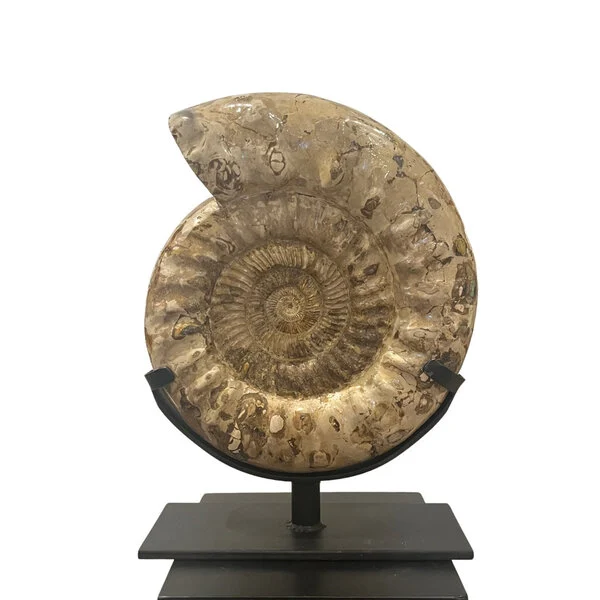
Ammonite XL on Stand (Ammonoidea, Polished Fossil)
-
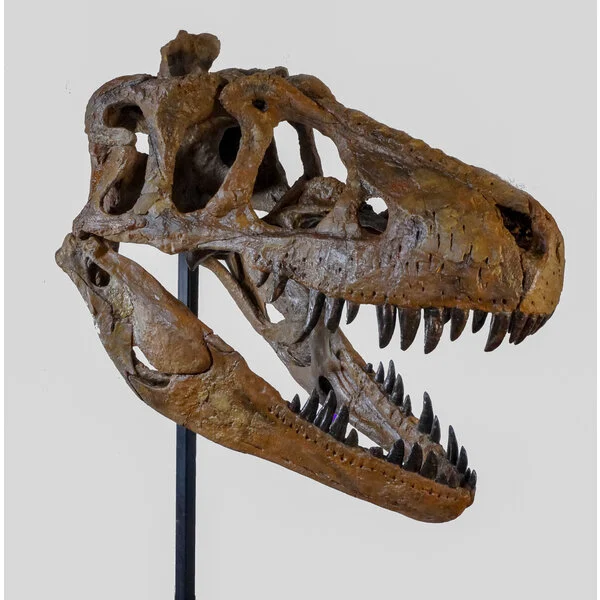
Daspletosaurus Skull (Daspletosaurus torosus, Museum Replica)
-
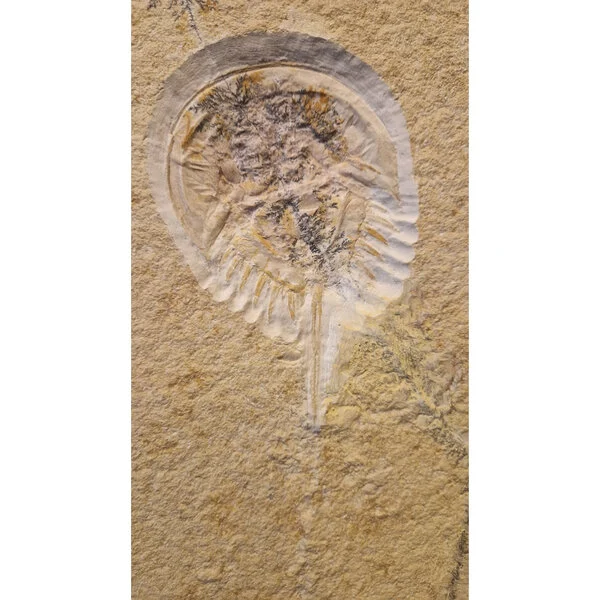
Fossil Sword Crab on Stand (Horseshoe Crab Fossil)
-
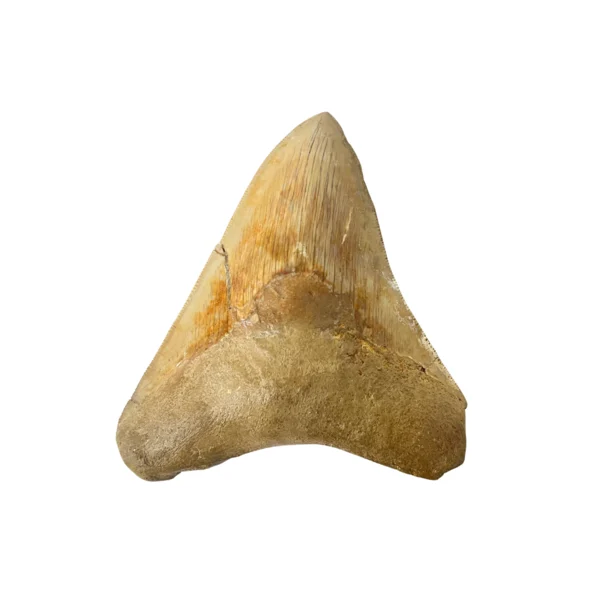
Large Megalodon Tooth (Otodus megalodon, Fossil)
-
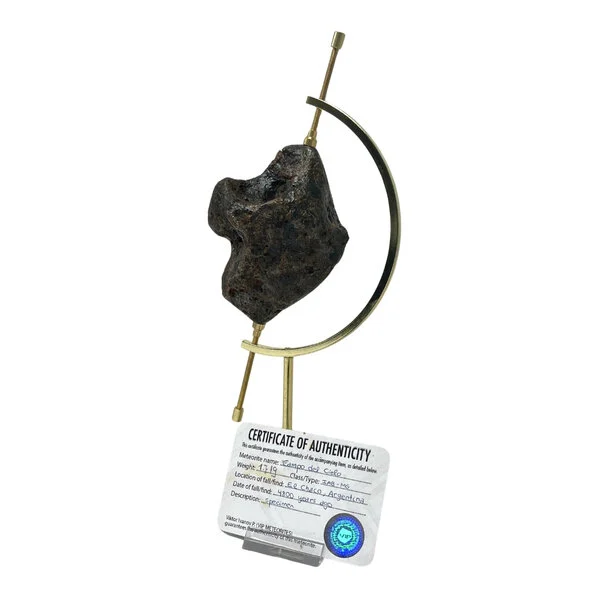
Meteorite XL (Iron/Stony Meteorite Specimen)
-
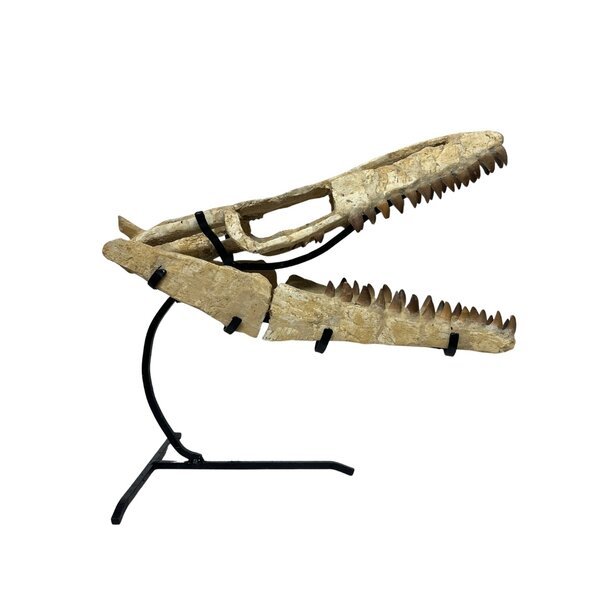
Mosasaurus Skull Reconstruction (Mosasaurus sp. Replica)
Choose a theme.
A theme turns a pile of objects into a collection. It gives your cabinet focus and makes it feel intentional. You might build around a single idea, such as:
- One group of animals, like birds or big cats.
- A place, such as the sea or the Ice Age.
- A color or material, like bone white or amber.
- A feeling, such as the macabre or the beautiful.
You can always start broad and let a theme emerge as you collect. The pieces you keep returning to will tell you what your cabinet is really about.
Source your specimens ethically and legally.
Responsible collecting is part of the tradition. Buy ethically sourced, well-documented specimens, and know the law before you buy. Some material is protected: many exotic birds, sea turtles and other species are covered by CITES, the treaty controlling trade in endangered species. Human remains and ivory have their own rules too.
The safe path is to buy from a transparent seller who documents origin and to confirm the rules in your own country. We cover this in depth in our guide to collecting taxidermy and natural history specimens and our post on whether taxidermy is ethical.
How to arrange and display your cabinet
Arrange a cabinet of curiosities by balancing variety with order. A few principles help it look curated rather than cluttered.
- Vary height and size. Mix tall and short, large and small, to create rhythm.
- Group by theme or type. Cluster-related pieces so the eye can read them.
- Leave breathing room. Space lets each object stand out. Crowding hides your best pieces.
- Use levels. Shelves, stands, and risers add depth and let you layer specimens.
- Add light. Gentle, indirect lighting brings a cabinet to life. Keep specimens out of harsh direct sun.
A glass case or dome protects delicate pieces and adds a classic, museum-like feel.
Choosing furniture and display cases
The cabinet itself is part of the collection, and the right furniture transforms a group of objects into a proper display. You have several options at every budget.
- Glass display cabinets. A glazed cabinet, antique or modern, is the classic choice. It shows the collection while protecting it from dust and pests, and the glass adds a museum feel.
- Bell jars and domes. A glass dome over a single striking specimen, a skull, a bird, or an oddity is an elegant and affordable way to give one piece prominence and protection.
- Apothecary and specimen drawers. A bank of shallow drawers, in the style of an old apothecary or entomology cabinet, suits smaller specimens like shells, minerals, and insects and lets you organize by category.
- Open shelving. The most flexible and affordable option. Floating shelves or a bookcase let you arrange and rearrange freely, though they offer less protection, so keep fragile pieces cased.
- Printer’s trays and shadow boxes. For small curiosities, a compartmentalized tray or a deep frame creates a ready-made grid to fill.
Wood tones and dark, rich backgrounds flatter natural specimens, which is why so many cabinets use aged timber and deep colors. Choose furniture that suits both your space and the character of your collection.
Styling your cabinet room by room
A cabinet of curiosities does not need a dedicated room, though it can have one. It adapts to wherever you place it, and the setting changes its character.
- Study or library. The natural home. A cabinet among books reads as scholarly and collected, in the true tradition of the wunderkammer.
- Living room. A single glazed cabinet or a domed specimen becomes a conversation piece and a focal point for guests.
- Hallway or landing. Often wasted space that a run of framed specimens or a narrow cabinet transforms into a gallery.
- Home office. A shelf of curiosities behind you brings character and calm and has become a favorite backdrop for video calls.
Wherever it lives, give the collection good but indirect light, keep it out of direct sun and damp, and let it have enough space to be read. A cabinet crammed into a dark corner hides its best pieces; one given room and light draws people in.
A starter cabinet: where to begin
If you are building from scratch, a balanced starter set might look like this.
| Element | Example piece | Role in the cabinet |
|---|---|---|
| Anchor | A fine animal skull | The centerpiece |
| Life | A mounted bird | Color and movement |
| Deep time | An ammonite or tooth | A fossil focal point |
| Sculpture | An antique shell | Organic form |
| The strange | A Fiji mermaid or oddity | The conversation starter |
Start with one or two pieces you love, then add over time. The best cabinets are built slowly.
Famous cabinets of curiosities in history
Knowing the history helps you build with intent. The cabinet of curiosities began in the 16th and 17th centuries, when wealthy collectors, scholars, and rulers gathered specimens and marvels into dedicated rooms. These wunderkammer mixed natural history, or naturalia, with man-made wonders, or artificialia.
Some grew into the foundations of great museums. Ole Worm, a Danish scholar, assembled a famous collection of specimens and antiquities that was documented in a celebrated engraving. The collection of Sir Hans Sloane in London became a founding part of the British Museum. These early cabinets shared one aim with yours: to gather the wonderful under one roof and invite people to look closely.
When you build a cabinet of curiosities today, you continue a tradition centuries deep. That history is part of the pleasure and a good talking point for visitors.
The collectors who started it all
A few historical figures show just how rich this tradition is. Ole Worm, a seventeenth-century Danish physician, assembled one of the most famous early cabinets, packed with specimens, antiquities, and natural marvels, and documented it in a celebrated engraving that still shapes how we picture a wunderkammer. Ferrante Imperato, an apothecary in Naples, produced one of the earliest printed images of a cabinet, its ceiling famously hung with a crocodile.
In England, the collections of John Tradescant and his son, known as “The Ark,” passed to Elias Ashmole and became the founding collection of the Ashmolean Museum in Oxford. The physician Sir Hans Sloane amassed tens of thousands of objects that, on his death, became a founding collection of the British Museum. Time and again, the private cabinet of curiosities grew into the public museum. When you gather specimens today, you are working in the same spirit as these pioneers, on whatever scale suits you.
How to grow your cabinet over time
The best cabinets are never finished. They grow as you find pieces that speak to you. A few habits help a collection mature well.
Buy the best single example you can afford rather than many lesser pieces. Quality anchors a cabinet. Let your theme tighten over time, editing out pieces that no longer fit. Keep records of what each specimen is and where it came from, which adds interest and protects value. And leave room to grow, both on your shelves and in your budget, so you can act when the right piece appears.
Collecting slowly is not a limitation. It is what gives a cabinet of curiosities its depth and its personal character.
Where to find pieces for your cabinet
Source your cabinet from specialists who document their specimens rather than anonymous listings. A dedicated natural history dealer curates quality pieces, explains provenance, and can guide you toward the right specimen for your theme and budget.
Good starting points are fossils and shells, which offer strong character at accessible prices, then a single fine skull or a mounted bird as an anchor. As your eye develops, you will start to recognize quality and rarity, and your buying will sharpen. Build relationships with sellers you trust, since the best pieces often go to returning collectors first. At The Bones Vault, every category from fossils to taxidermy to osteology is curated with exactly this kind of collector in mind.
Building a cabinet on any budget
One of the best things about this hobby is that it works at any budget. You do not need deep pockets to start a meaningful collection, only a good eye and patience.
On a modest budget, fossils and shells offer huge impact for little money. A polished ammonite, a shark tooth, a handful of interesting shells, and a single small skull can form a genuine, characterful cabinet for very little. A glass dome from a homeware shop and a printer’s tray for small finds keep display costs down too.
At a mid budget, you can add a fine animal skull as an anchor, a mounted bird for color, and a quality glazed cabinet to house it all. This is where a collection starts to feel curated rather than casual.
At a serious budget, the door opens to rare specimens, fine antique taxidermy, larger fossils, ivory, and one-of-a-kind oddities that become the centerpiece others gather around. But even the grandest cabinets usually began with one modest, much-loved piece. Start where you are, buy the best single object you can afford, and let the collection grow.
Frequently asked questions
What goes in a cabinet of curiosities?
A mix of natural and unusual objects: skulls and bones, taxidermy, fossils, shells, minerals, meteorites, and oddities. A good cabinet draws from several of these around a loose theme.
How do I start a cabinet of curiosities on a budget?
Begin with one or two affordable, characterful pieces, such as a small fossil or a single skull, and build slowly. Fossils and shells offer a lot of impact for a modest price.
Is it legal to collect a cabinet of curiosities?
Usually yes, but some specimens are protected. Exotic birds, sea turtles, ivory, and human remains have specific rules. Buy documented, ethically sourced pieces and confirm your local law.
What is a wunderkammer?
A wunderkammer, or wonder room, is the historical name for a cabinet of curiosities, the Renaissance collections of specimens and marvels that gave rise to modern museums.
How do you display a cabinet of curiosities?
Vary height and size, group related pieces, leave space around them, use levels and stands, and add gentle indirect light. A glass case protects delicate specimens.
What does “cabinet of curiosities” mean?
It originally meant a room where a collector kept rare, strange, and beautiful objects that inspired wonder. Over time the word came to describe the display case itself. At heart it is a personal museum of wonder, whatever its size.
What is the difference between naturalia and artificialia?
Naturalia are objects made by nature, such as skulls, fossils, shells, and taxidermy. Artificialia are objects made by human hands, such as antiquities, carvings, and instruments. The classic cabinet balances both.
What furniture do you use for a cabinet of curiosities?
A glazed display cabinet is the classic choice, but glass domes, apothecary drawers, open shelving, and shadow boxes all work. Aged wood and dark backgrounds flatter natural specimens.
Start your cabinet.
Everything you need to build a cabinet of curiosities is in one place. Explore fossils, marine specimens, taxidermy, and osteology at The Bones Vault, and read our full collecting guide. We ship worldwide in 3 to 5 days.