
In most countries, it is legal to own a human skull, provided it was acquired lawfully and is not a protected, looted, or recently deceased individual. In the United States there is no federal ban on owning human remains other than Native American remains, though a few states restrict it. In the United Kingdom, private ownership is generally lawful, but the Human Tissue Act 2004 and a new 2026 bill are tightening the rules. The factor that decides legality everywhere is the same: where the skull came from and how it was obtained.
This article is general information, not legal advice. Laws on human remains change and vary by country, state, and city. Always confirm the rules in your own jurisdiction before buying, selling, or shipping a specimen.
Yes, in most of the country. There is no federal law that prohibits owning, buying, or selling human remains, with one major exception: Native American remains, which are protected under the Native American Graves Protection and Repatriation Act (NAGPRA). Beyond that, regulation is left to individual states, and most place no restriction on lawfully obtained specimens.
A small number of states are stricter. Louisiana, Georgia, and Tennessee are the most commonly cited examples, with rules that variously restrict owning, importing, exporting, buying, or selling human remains across state lines. Because these statutes were often written for human tissue or burial protection rather than dry teaching bones, the wording can be ambiguous, so anyone in those states should check the current local position carefully.
Is it legal to own a human skull in the UK?
Generally, yes, but with important conditions. In English law human remains are not ordinarily treated as property, yet a settled exception allows lawfully prepared specimens (where skill has been applied, such as an articulated or preserved skull) to be owned and traded. The Human Tissue Act 2004 is the key statute. It makes it an offense to hold human remains less than 100 years old for a “scheduled purpose” without a license from the Human Tissue Authority (HTA), and public display, including display in a shop, is a scheduled purpose.
This matters because many ex-medical skeletons were exported from India until 1985 and from China until 2008, so a large share of “antique” specimens are recent enough to fall under the Act. Private, personal ownership currently sits largely outside HTA oversight, which is why a legal grey area exists.
Important 2026 update: a private member’s bill, the Human Remains (Prohibition of Sale, Purchase, and Advertising) Bill, was introduced in the House of Commons in February 2026 and seeks to ban the sale, purchase, and advertising of human remains outright. It has not become law at the time of writing, but it signals the UK position may change. If you buy or sell in the UK, follow this closely.
What about the rest of the world?
Rules vary widely, so never assume. Some countries permit private ownership of antique or ethically documented remains; others ban the trade entirely or tightly control export. Source countries such as India (since 1985) and China (since 2008) prohibit the export of human skeletal material. Cross-border shipping adds a second layer of risk: a skull that is legal to own in the destination country can still be unlawful to export from where it currently sits. Before any international purchase, confirm both the import rules where you live and the export rules where the specimen is held.
What makes a human skull illegal to own?
It is rarely the skull itself that is unlawful. It is the origin. A specimen is illegal, or legally risky, when it is
- Grave-robbed or recently exhumed, including remains with soil, roots, or soft tissue that suggest recent burial.
- Native American or other protected Indigenous remains, which must be repatriated, not sold.
- Looted archaeological or war trophy remains, which many countries require to be returned.
- From a recently deceased person without consent or diverted from a body donation or morgue program.
- Sold as viable human tissue for transplant, which is broadly prohibited.
If a price looks too good to be true, treat the provenance as suspect. Cheap, undocumented skulls are the ones most likely to be looted.
How to buy a human skull legally and ethically
The safest specimens are antique ex-medical teaching bones with a clear, documented history. Buy from a seller who is transparent about origin, sells material prepared for education rather than freshly sourced remains, and can speak to the provenance of each piece. At The Bones Vault, specimens are sourced responsibly and curated for collectors, educators, researchers, and institutions.
Featured specimen: Real Human Skull: €1,700.00 An authentic, expertly prepared human skull suited to study, teaching, and serious collections. View specimen →
If you would rather avoid the legal complexity of real remains altogether, a high-fidelity replica skull gives you the full anatomy for display and teaching with none of the provenance questions.
Alternative: Replica Human Skulls: Museum-grade casts with full anatomical detail. Legal to own and ship anywhere, with no provenance concerns. Browse replicas →
Best-selling products
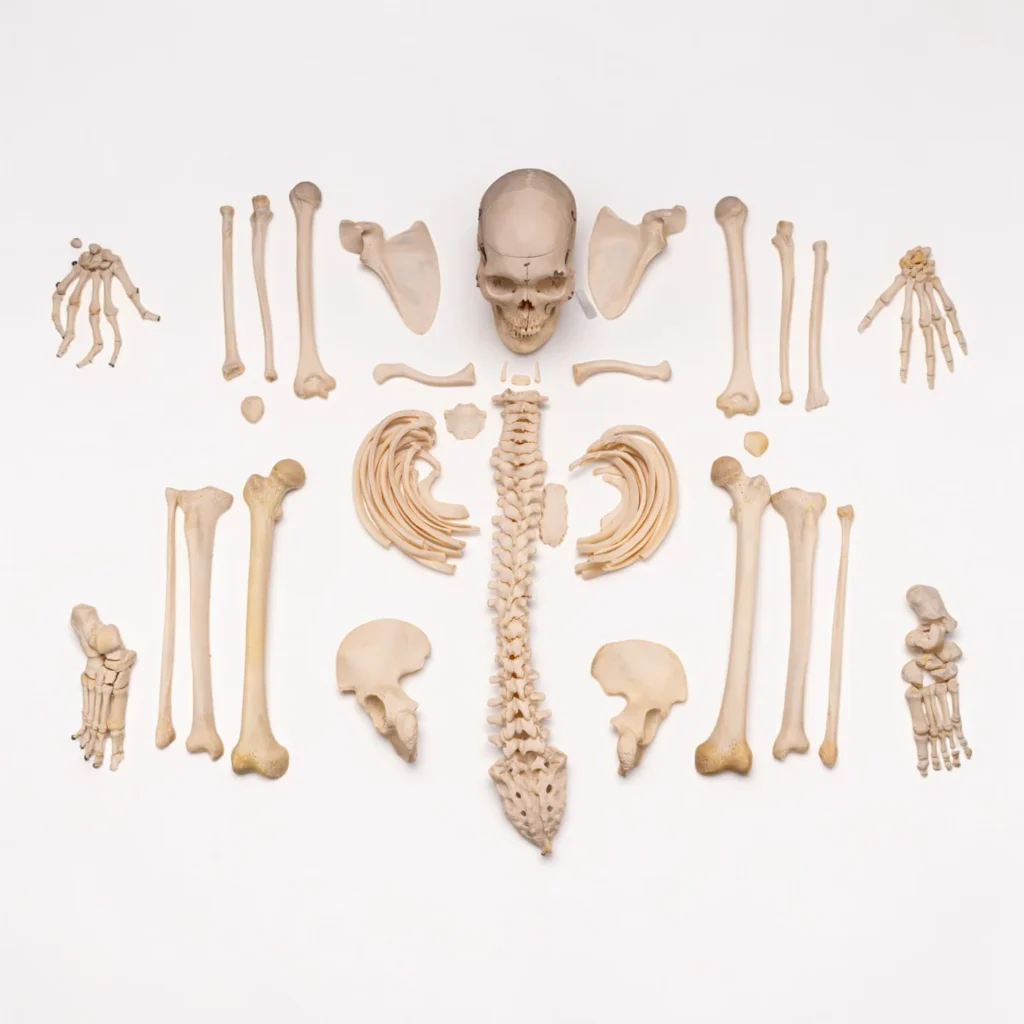
Quick-reference legality table
| Region | General position on private ownership | Watch out for |
|---|---|---|
| USA (federal) | Generally legal | NAGPRA protects Native American remains |
| USA (some states) | Restricted | Louisiana, Georgia, Tennessee and others |
| UK | Generally legal, evolving | HTA license to display sub-100-year remains; 2026 Bill pending |
| Source countries (India, China) | Export banned | India since 1985, China since 2008 |
| Rest of world | Varies widely | Always check local and import rules |
buy a human skull. The human skull laws. human skull for sale Real Human Skull for Sale realistic human skull for sale Human skeleton for sale buy human bones owning a human skull. real human skeleton for sale human bones for sale real human bones for sale real human spine for sale buy elephant skull elephant skull for sale
Frequently asked questions
Do you need a license or paperwork to own a human skull?
In most places, no license is required for simple private ownership of a lawfully obtained specimen. In the UK, however, an HTA license is required to publicly display human remains under 100 years old. Genuine provenance documentation is valuable for proving lawful origin, but be wary of “certificates of authenticity” that are simply printed on request.
Is it legal to buy a human skull online?
It can be, but major marketplaces have banned it: Etsy since 2012 and eBay since 2016. That has pushed much of the trade onto social media, where provenance is often unverifiable. Buy only from a specialist seller who is transparent about sourcing rather than from anonymous listings.
How can I tell if a human skull was obtained legally?
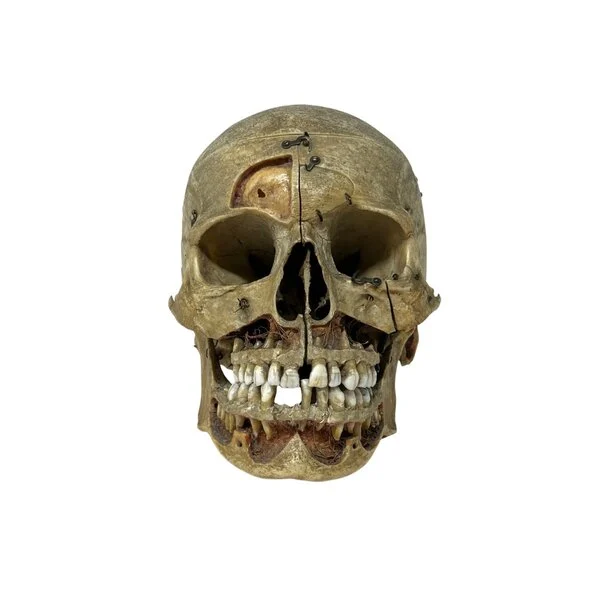
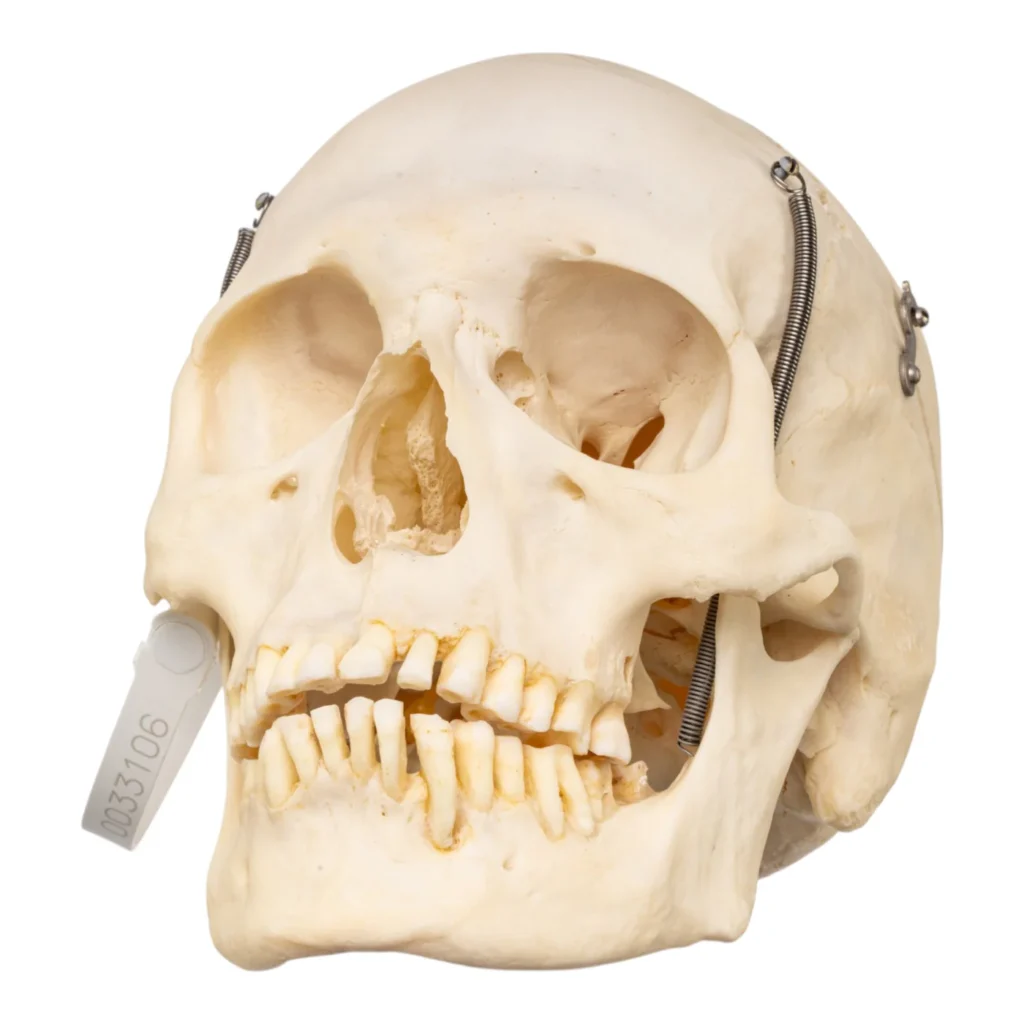
Look for signs of ex-medical preparation, such as articulation hardware, spring-loaded jaws, a cut calvarium, or old institutional labeling. Soil, roots, or soft tissue are red flags for recent exhumation. Reputable sellers will explain a specimen’s history rather than dodge the question.
Is owning a human skull ethical?
Views differ. Many educators, clinicians, and collectors believe responsible stewardship of antique ex-medical specimens is preferable to those bones being discarded. Others, including some professional bodies, object to any commercial trade in human remains. Buying ethically sourced, well-documented specimens is the responsible middle path.
Explore responsibly sourced specimens. Authentic human osteology and museum-grade replicas, curated for collectors, educators, and institutions. Browse the collection → Worldwide shipping. Secure, private transactions.
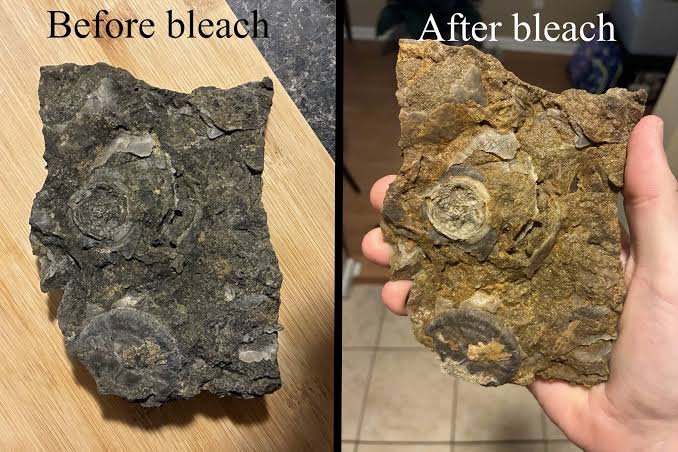
mammoth tusk preservation and restoration
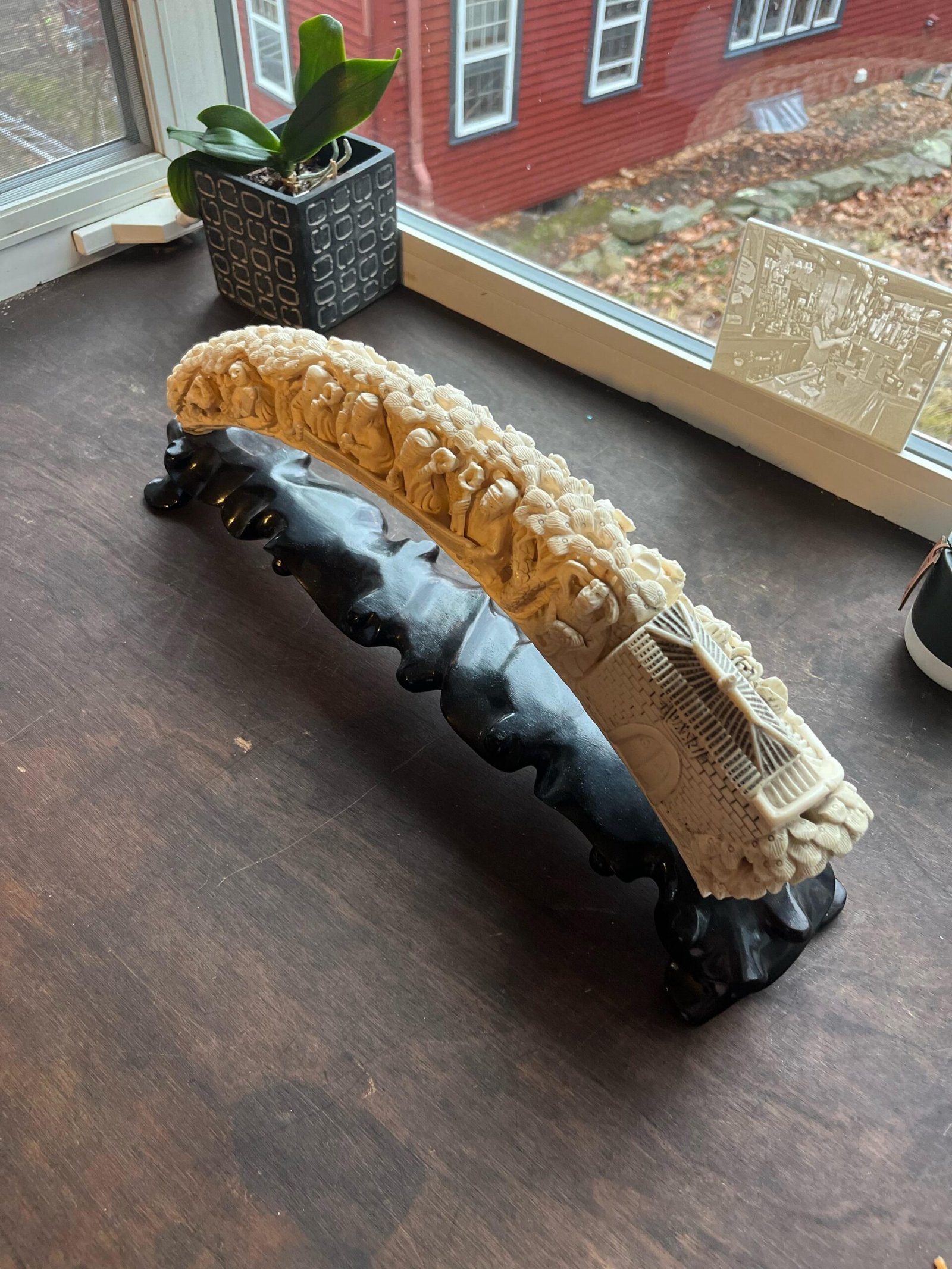
carved mammoth tusks and ivory…
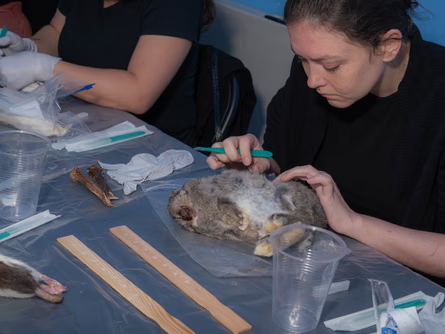
Is taxidermy ethical?
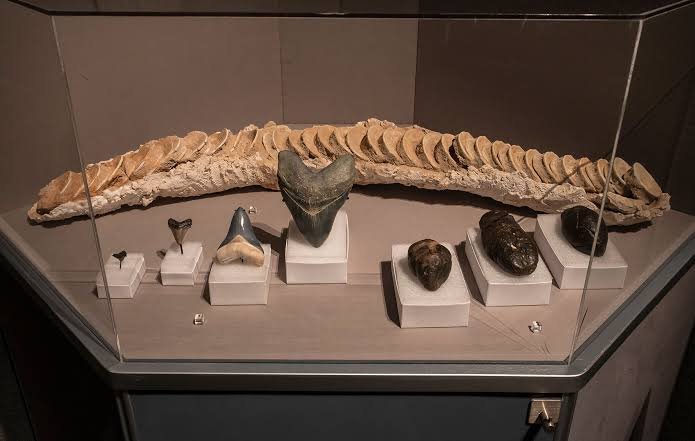
mammoth tusk display and mounting
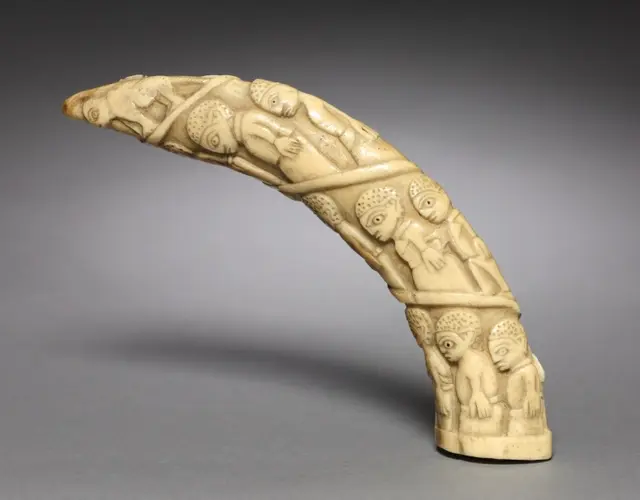
Ivory art (appreciation, authentication &…
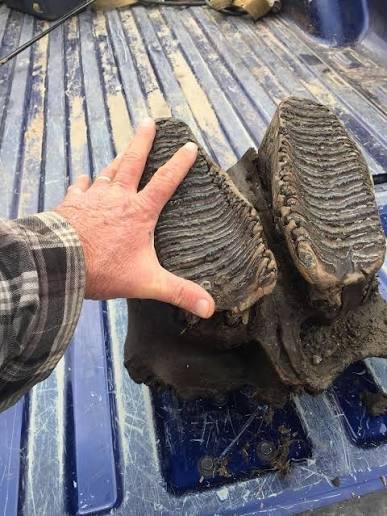
Mammoth tooth anatomy

Taxidermy supplies guide
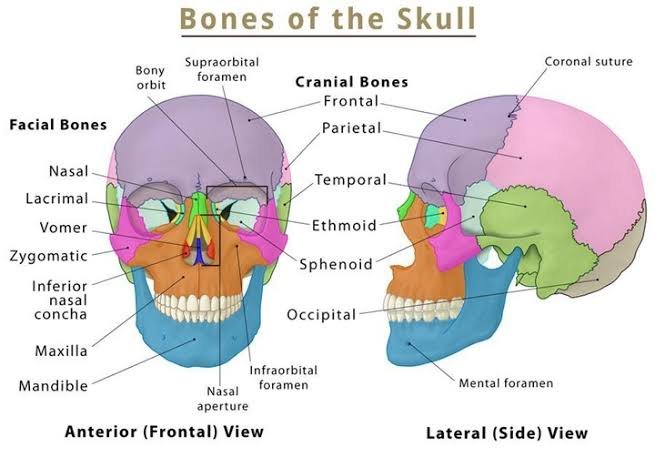
Skull anatomy
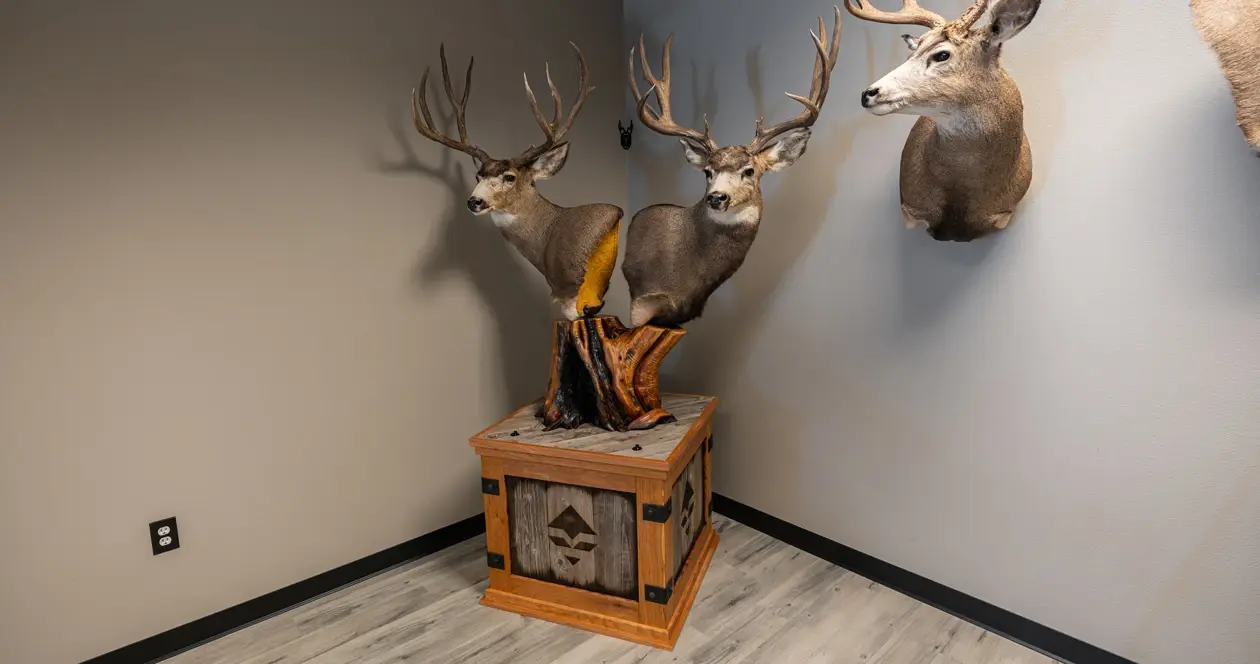
PEDESTAL MOUNTS GUIDE
Hi, this is a comment.
To get started with moderating, editing, and deleting comments, please visit the Comments screen in the dashboard.
Commenter avatars come from Gravatar.