
Real human skeleton
Showing all 6 results
-
Product successfully added to the Quote List
-
Product successfully added to the Quote List
-
Product successfully added to the Quote List
-
Product successfully added to the Quote List
-
Product successfully added to the Quote List
-
Product successfully added to the Quote List
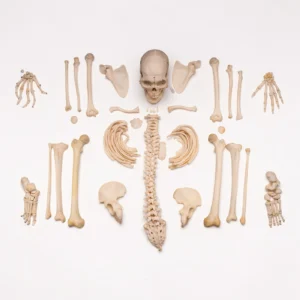
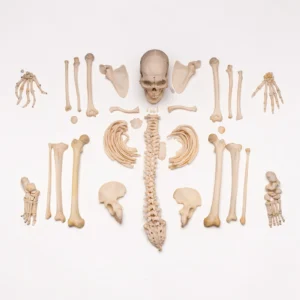
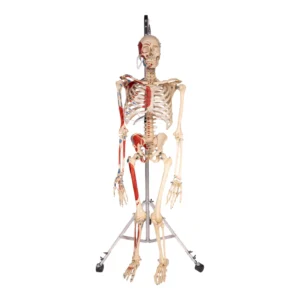
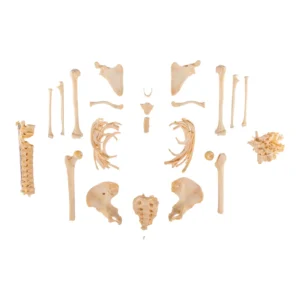
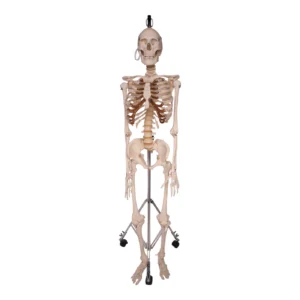
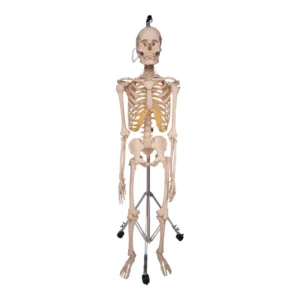
Human Skeleton for Sale
Browse real human skeletons for sale, genuine, ethically sourced and legal specimens, each documented and offered with respect for its origin. These are authentic medical and antique skeletons, the kind long used for anatomical study, available as articulated (assembled) and disarticulated specimens. This is a category for medical and anatomy professionals, students, osteology collectors and artists who want a real, legally sourced skeleton, not a plastic model or a Halloween prop.
Every specimen is legally acquired and honestly described, and we confirm we can lawfully sell and ship a skeleton to your location before any sale, because the law varies by country and region. We do not treat human remains as novelties. Each is handled with care.
Why buy from The Bones Vault:
- Genuine, documented specimens: real human skeletons, honestly described, with medical or antique provenance, never a plastic model sold as real.
- Ethically and legally sourced: we deal only in lawfully acquired specimens and confirm the sale is legal for your location before you buy.
- Handled with respect: these are human remains, and we describe and ship them with the care and discretion they deserve.
- Real Human Skulls — genuine cranial specimens
- How to Buy a Human Skeleton — the buyer’s guide
- Is It Legal to Own Human Bones? — the law explained
- Ethically Sourced Human Bones — our sourcing
Real skeleton vs anatomical model vs prop: know what you are buying
The single most important thing when shopping for a “human skeleton” is knowing which of three very different things you are looking at: a real human skeleton, a plastic anatomical model, or a Halloween prop. They share a search term but nothing else.
A real human skeleton is genuine human bone, a documented medical or antique specimen used for serious study and collecting. A plastic anatomical model is a manufactured replica (PVC or resin), accurate and affordable, ideal for teaching where a real specimen is not needed. A Halloween prop is a cheap decorative skeleton, not anatomically accurate at all. Here is the distinction at a glance:
| Real human skeleton | Anatomical model | Halloween prop | |
|---|---|---|---|
| Material | Real human bone | PVC / resin / plastic | Cheap plastic |
| Accuracy | Exact, a real person | Anatomically accurate | Not accurate |
| Use | Study, research, collecting | Teaching, demonstration | Decoration |
| Price | Highest | Moderate | Low |
| Legality | Regulated (varies) | Unrestricted | Unrestricted |
This category is real human skeletons. If you need an accurate teaching model rather than a real specimen, an anatomical model is a perfectly good, more affordable choice, and our replica guide explains when a replica makes sense. What matters is that a seller states plainly which one a piece is. We never sell a model as real.
Is it legal to buy a human skeleton?
In many places, yes, buying and owning a real human skeleton is legal, but the law varies significantly by country and, in the US, by state, so it must be checked for your location. Human skeletons have a long, legitimate history in medical and anatomical education, and genuine specimens are traded lawfully in much of the world.
That said, several US states restrict or prohibit the sale or shipping of human remains, and import and export rules add another layer. A responsible dealer confirms that a sale is lawful for your specific location before completing it, rather than shipping blind, and will decline destinations it cannot lawfully serve. We do exactly that. For the full picture, read our detailed guide on whether it is legal to own human bones. If you are unsure about your own area, ask us before you buy.
How are your human skeletons ethically sourced?
Our human skeletons are ethically sourced from legitimate medical and antique origins, the same channels that have supplied anatomical study for generations, and never from any unlawful or disrespectful source. Provenance and respect are the foundation of trading in human remains responsibly.
Most genuine human skeletons on the legal market are older medical and teaching specimens, prepared decades ago for anatomical education, along with documented antique specimens. We describe the origin of each skeleton honestly and deal only in lawfully acquired remains. We do not handle remains of uncertain or troubling provenance. Our guide on ethically sourced human bones explains what ethical sourcing means in this field. This matters to us, and it should matter to any buyer.
Articulated vs disarticulated skeletons
Real human skeletons come two ways, and the right one depends on how you will use it. An articulated skeleton is assembled and wired together in anatomical position; a disarticulated skeleton is a set of separate, individual bones.
An articulated skeleton is ready to stand or hang for study and display, showing how the bones fit together, ideal for teaching and anatomical demonstration. A disarticulated skeleton is a full set of loose bones, which lets a student examine each bone individually and is often preferred for detailed osteology study. Articulated specimens usually cost more because of the skilled assembly involved. Some specimens are also prepared to show muscle-insertion points or specific pathology. Our guide on how to buy a real human skeleton covers the choice in full.
What to look for when buying a real human skeleton
When buying a real human skeleton, check four things: authenticity, completeness, condition and legality. Together they tell you whether a specimen is genuine, complete, lawful and worth its price.
Look for a seller who confirms the skeleton is real human bone and describes its origin honestly. Assess completeness: a full skeleton has all 206 bones, and a specimen missing small bones of the hands or feet is worth less than a complete one. Check condition, whether the bones are sound, whether an articulated specimen is well wired, and whether it is a plain, muscle-insertion or pathology preparation. And confirm the sale is legal for your location. Our buyer’s guide to human skeletons walks through every step.
Common buying questions
Are your human skeletons real?
Yes. The skeletons in this category are genuine human bone, not plastic models, and each is honestly described with its medical or antique provenance. If a piece is a replica or anatomical model, it is clearly labelled as such. We never sell a model as a real skeleton.
Is it legal to buy a human skeleton?
In many countries and most US states, yes, but the law varies and several US states restrict or prohibit the sale or shipping of human remains. We confirm that a sale is lawful for your specific location before completing it, and decline destinations we cannot lawfully serve.
What is the difference between a real skeleton and an anatomical model?
A real skeleton is genuine human bone from a documented medical or antique source. An anatomical model is a manufactured plastic or resin replica, accurate and more affordable, made for teaching. Both are useful; they simply serve different needs, and an honest seller tells you which a piece is.
Should I choose an articulated or disarticulated skeleton?
An articulated skeleton is assembled in anatomical position, ready to display and ideal for showing how the bones connect. A disarticulated skeleton is a set of separate bones, better for studying each bone individually. Choose by how you will use it.
How much does a real human skeleton cost?
Prices depend on completeness, condition, whether the skeleton is articulated or disarticulated, and its provenance. A complete, well-prepared articulated specimen commands the most; a partial or disarticulated set costs less.
How do you ship a human skeleton?
Discreetly, securely and lawfully. We pack every specimen professionally to protect the bones, ship by insured, tracked courier, and confirm the shipment is legal to your destination before dispatch. Some locations we cannot ship to, and we will tell you honestly if yours is one.