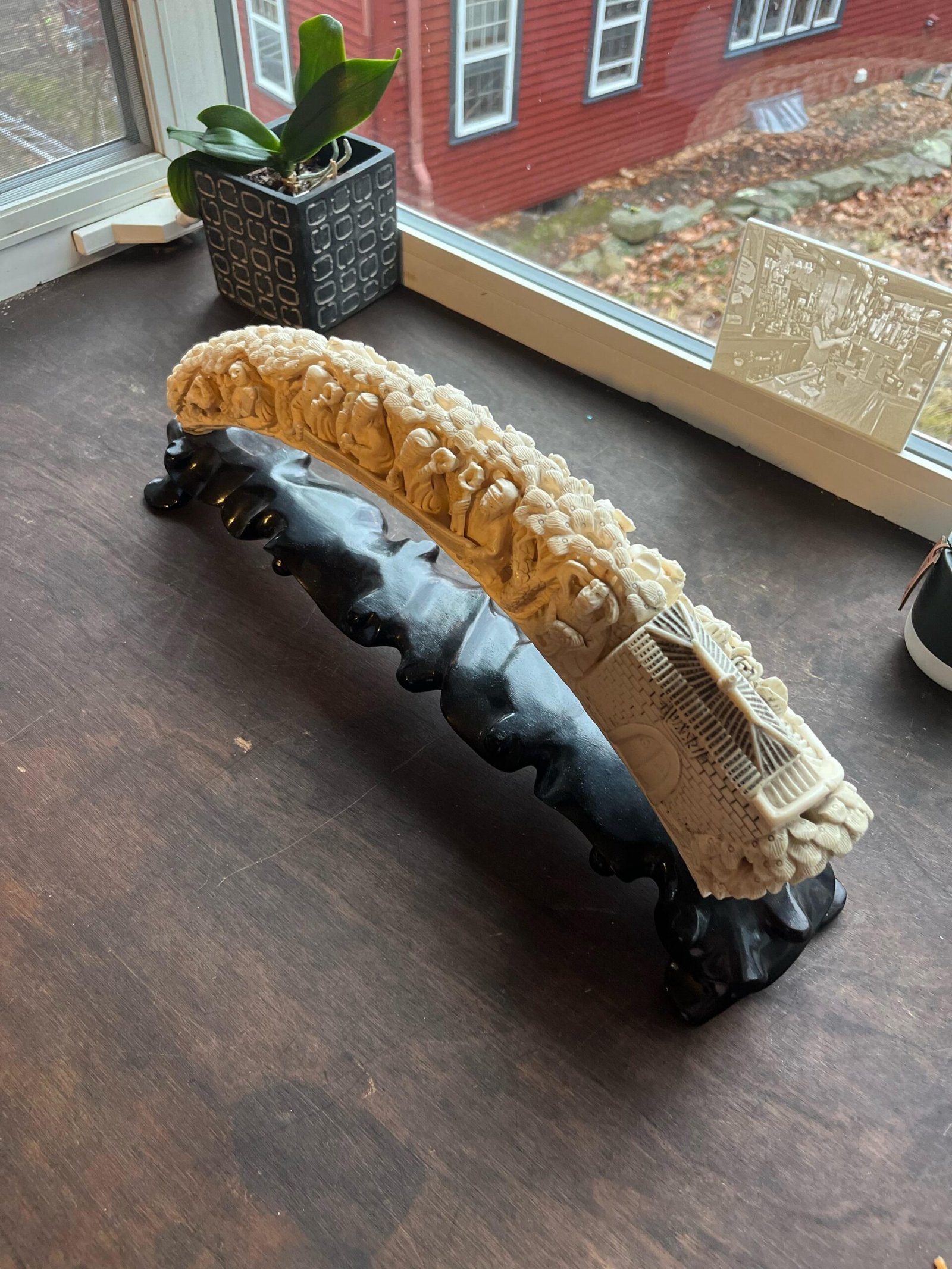
mammoth tusk preservation and restoration
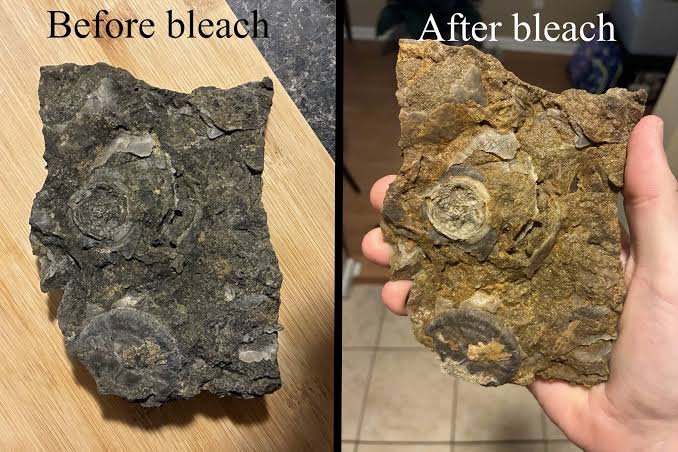
How to Clean Fossils: A Safe, Step-by-Step Guide To clean a fossil…
The fastest way to tell a real vs replica human skull apart is weight, surface detail, and small natural imperfections: real bone is lighter and slightly porous with sutures that vary from skull to skull, while a replica is uniform, often heavier or hollow, and identical to every other cast from the same mold.
Also learn: Ethically sourced human bones; Is it legal to own a human skull
Before you spend serious money, it pays to know the seven tells below, because the price gap between the two is large and so are the legal differences.
A real human skull is an authentic anatomical specimen with provenance, variation, and, often, pathology. A replica is a museum-grade cast, legal to own and ship almost anywhere, with no provenance concerns. Knowing what you are buying protects you from overpaying for a cast sold as real and from legal headaches when a “bargain” real skull turns out to have no documented origin.
| Feature | Real human skull | Replica (cast) |
|---|---|---|
| Weight | Light, balanced | Heavy (solid) or very light (hollow) |
| Surface | Porous, matte grain | Smooth, possible seam |
| Sutures | Unique, 3D | Uniform, shallow |
| Teeth | Natural wear and variation | Identical, moulded |
| Legality | Restricted in some places | Legal almost everywhere |
| Typical cost | €1,500 and up | A fraction of real |
| Best for | Authentic study, collections | Display, teaching, travel |
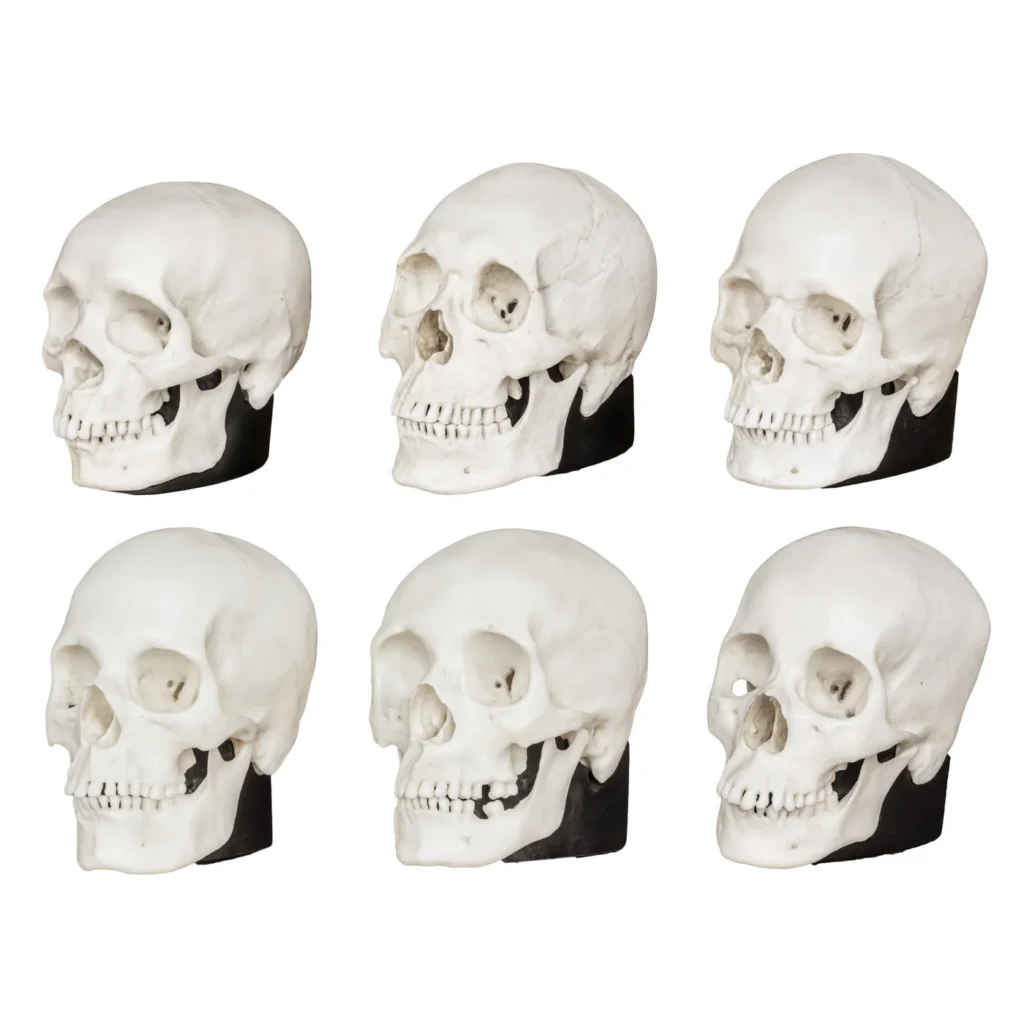
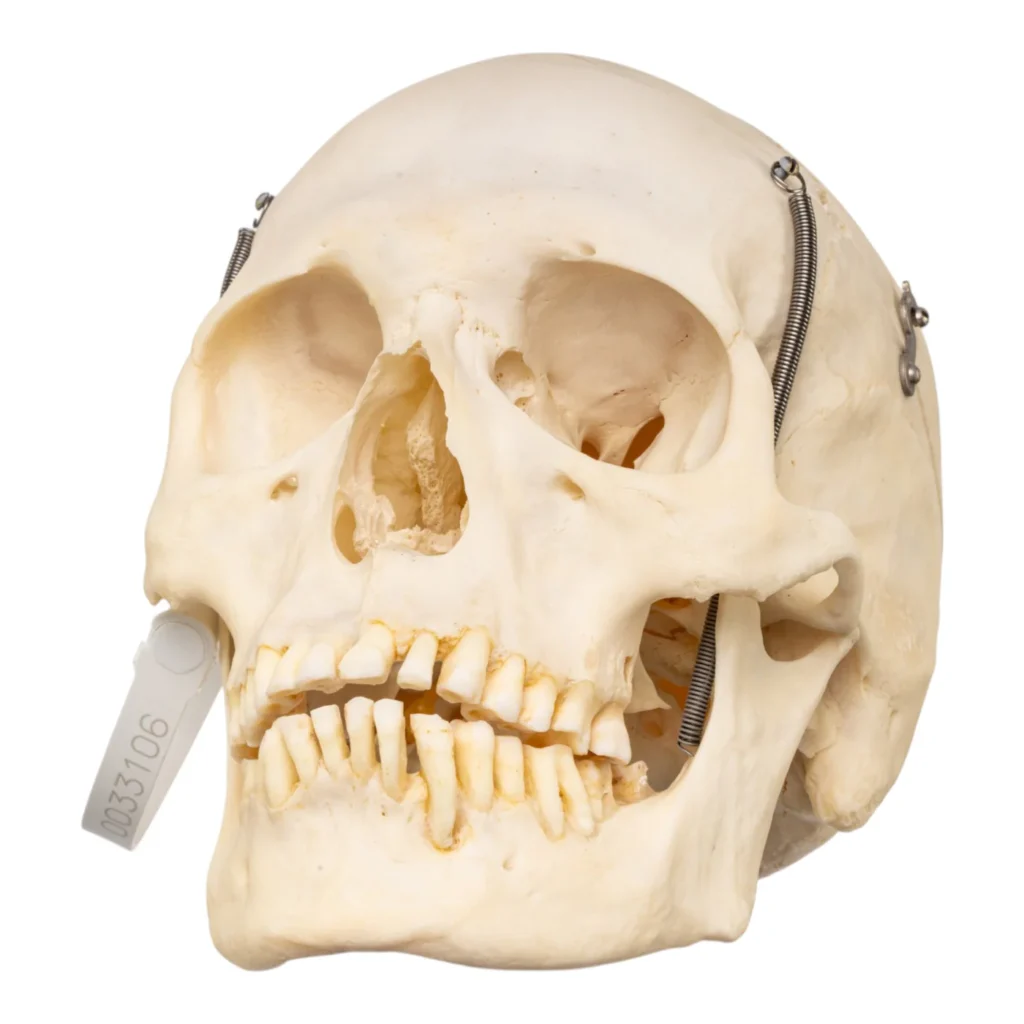
Buy real if you want authentic bone density, natural variation, and genuine pathology for study or a serious collection, and you are comfortable confirming provenance and local law (see our guide on whether it is legal to own a human skull). Buy a replica if you want full anatomical detail for display or hands-on teaching, a lower price, and zero provenance or shipping complications.
Authentic option: Real Human Skull: €1,700.00 An expertly prepared ex-medical specimen for study and collection. View specimen →
Replica option: Replica Human Skulls: Museum-grade casts with full detail, legal to own and ship anywhere. Browse replicas →
Check weight, surface porosity, suture detail, and teeth. Real bone is light and porous with unique sutures and natural tooth variation; casts are uniform, often have a mold seam, and are identical across copies.
Yes. High-quality casts are taken directly from real specimens and reproduce fine anatomical detail, which is why medical schools and artists use them.
For authentic study, comparative anatomy, and serious collecting, yes. For display or general teaching, a replica delivers the look and detail for far less.
In most places, yes, with conditions, while some US states and evolving UK rules apply. A replica avoids these issues entirely.
Compare both in one place. Browse authentic specimens and museum-grade replicas, curated for collectors and educators. Explore the collection →