
Mammoth Tooth: The Complete Guide to Anatomy, Identification, and Value
A mammoth tooth is the large, ridged grinding molar of an extinct mammoth, built from stacked plates of enamel that worked like a giant washboard to grind tough Ice Age grasses. If you have found one, inherited one, or want to buy one, this guide shows you how to identify a real mammoth tooth, understand its anatomy, judge its value, and avoid the fakes and mix-ups that catch people out.
You will learn what a genuine mammoth molar looks like, how it differs from a mastodon tooth, why people confuse mammoths with saber-tooth tigers, what a fossilized mammoth tooth is worth, and where to buy one safely. Let’s get into it.
Products by Category
-
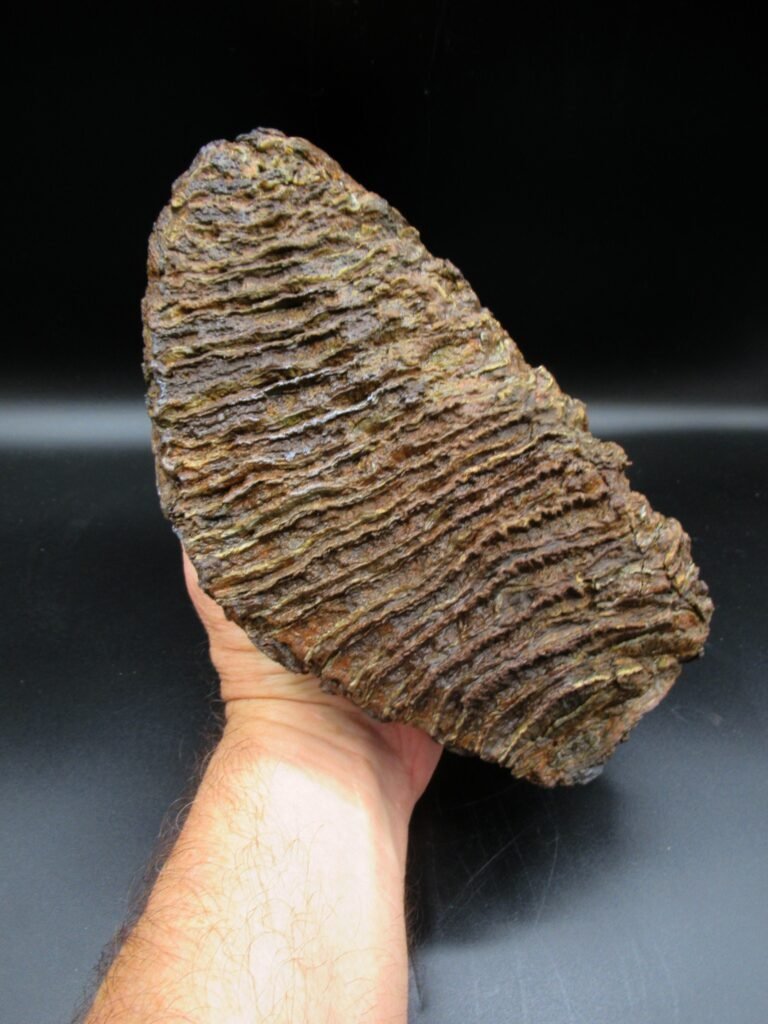
Genuine Woolly Mammoth Tooth Fossil #10, Ice Age Alaska
-
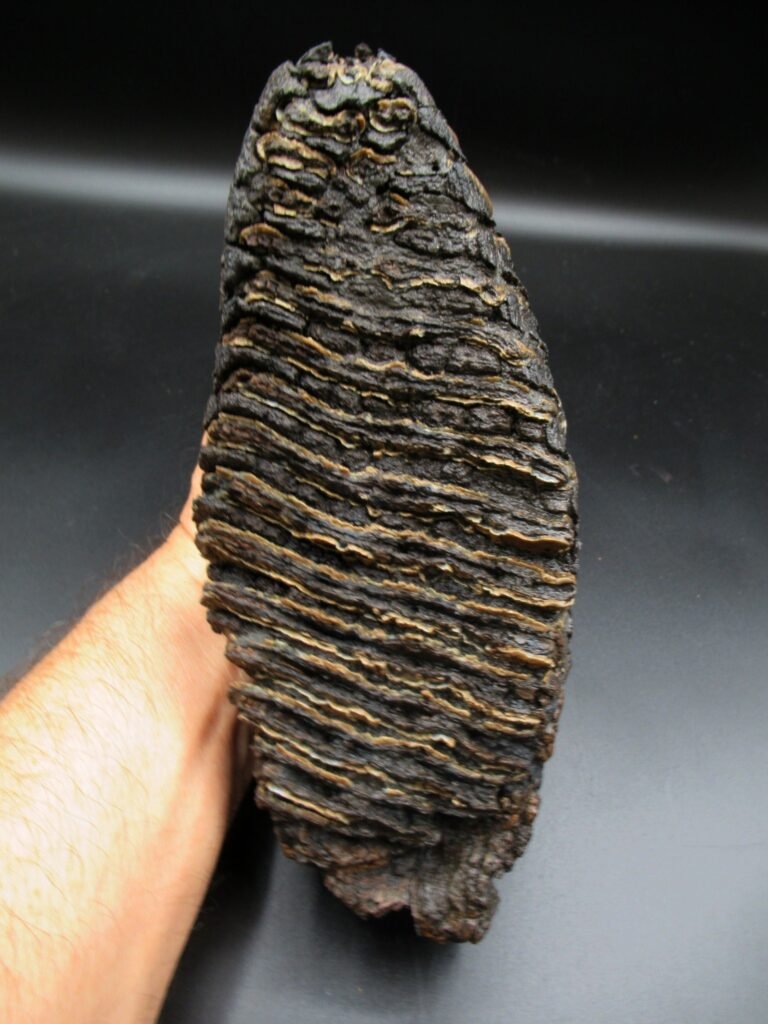
Genuine Woolly Mammoth Tooth Fossil #11, Ice Age Alaska
-
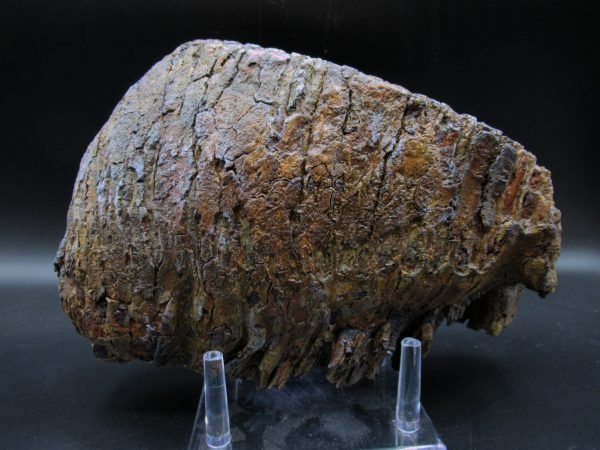
Genuine Woolly Mammoth Tooth Fossil #12, Ice Age Alaska
-
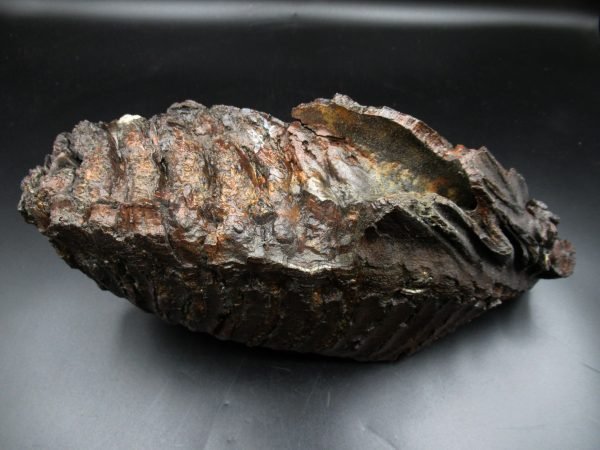
Genuine Woolly Mammoth Tooth Fossil #13, Ice Age Alaska
-
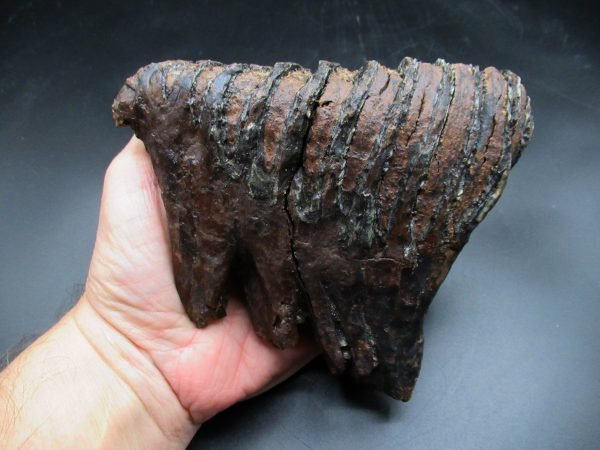
Genuine Woolly Mammoth Tooth Fossil #15, Ice Age Alaska
-
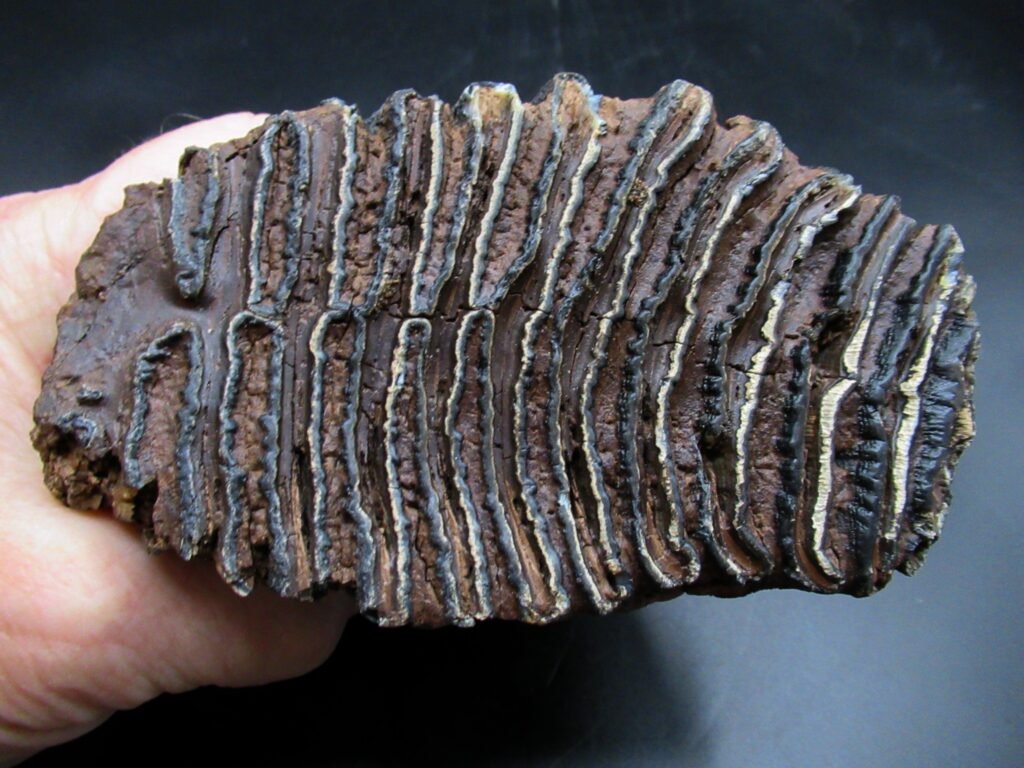
Genuine Woolly Mammoth Tooth Fossil #16, Ice Age Alaska
-
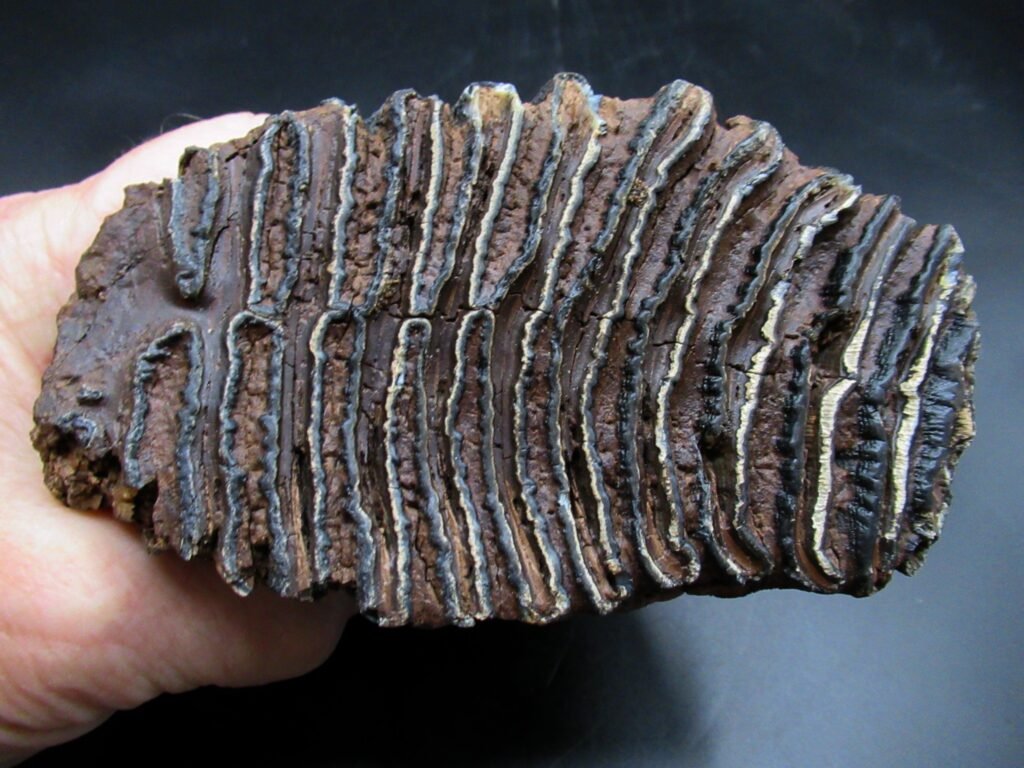
Genuine Woolly Mammoth Tooth Fossil #17, Ice Age Alaska
-
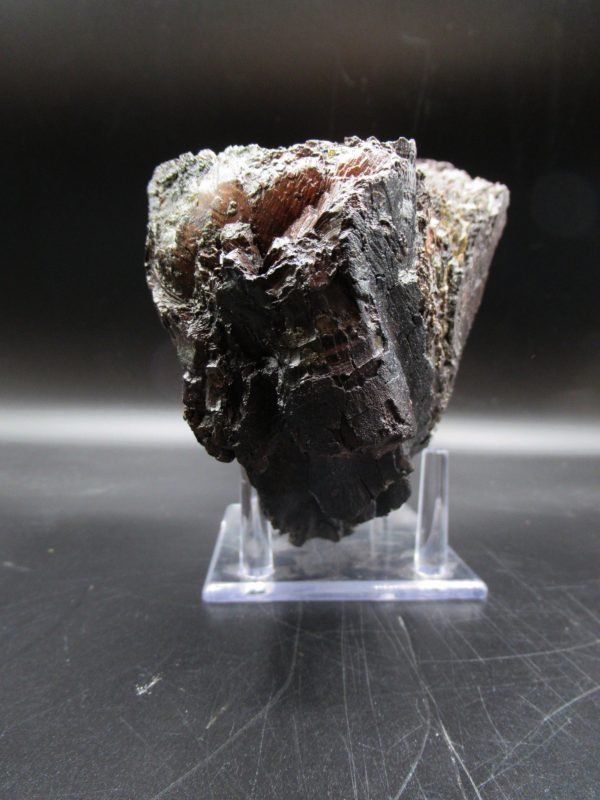
Large Genuine Woolly Mammoth Tooth Fossil #14, Ice Age Alaska
What is a mammoth tooth?
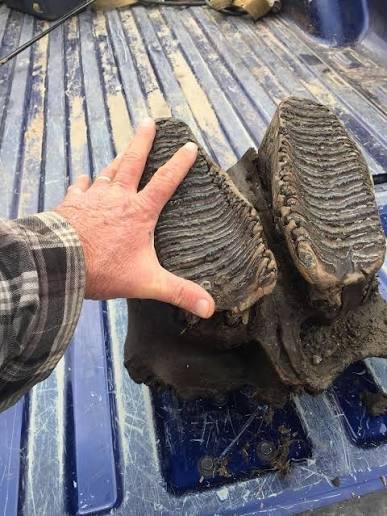
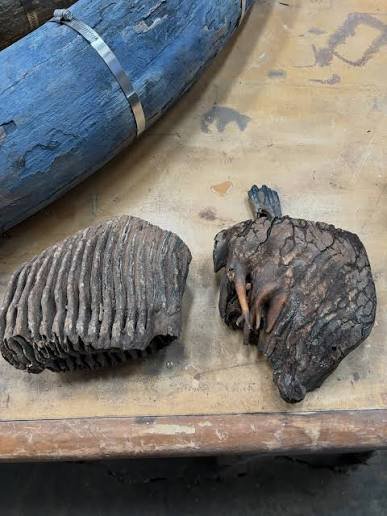
A mammoth tooth is a grinding molar from a mammoth, an extinct relative of the elephant that roamed the Ice Age world. Unlike your teeth, a mammoth molar is enormous, made of tightly packed enamel ridges, and it did the work of a millstone.
A mammoth was a plant eater on a huge scale, grazing tough grasses, sedges, and low shrubs across cold, open country. To grind that gritty diet, it evolved some of the most specialized teeth in the animal kingdom. Each mammoth molar is a slab of hard enamel plates cemented together with dentine and cementum, forming a ridged surface that ground food as the lower jaw moved forward and back. A single tooth could be the size of a brick and weigh several kilograms.
The animal belonged to the genus Mammuthus, and the most famous species is the woolly mammoth, which lived across the northern hemisphere until roughly 4,000 years ago. Its teeth are the most commonly found and collected today. For the full picture of the animal, its tusks, and its skull, see our complete woolly mammoth guide and our mammoth skull guide.
A short history of the mammoth
Mammoths were a group of large, elephant-like animals that lived across Europe, Asia, Africa, and North America for millions of years before dying out at the end of the last Ice Age. Their teeth are the fossils that tell us most about how they lived.
The genus Mammuthus first appeared several million years ago and spread widely, evolving into several species suited to different climates. The woolly mammoth, the shaggy, cold-adapted species everyone pictures, appeared a few hundred thousand years ago and thrived across the frozen north during the last Ice Age. Most mammoths died out around 10,000 years ago as the climate warmed and, some argue, as humans hunted them, though a small population survived on remote Wrangel Island until roughly 4,000 years ago. That means mammoths were still alive when the Egyptian pyramids were being built, a fact that surprises almost everyone.
Their teeth are central to what we know about them. Because a mammoth molar records diet, age and species in its structure, a single tooth can tell a researcher what the animal ate and roughly how old it was when it died. That is why mammoth teeth are studied so closely and why the ridged grinding surface is worth understanding in detail.
Mammoth tooth anatomy: how the grinding surface works
The defining feature of mammoth tooth anatomy is the set of parallel enamel ridges, called plates or lamellae, that run across the chewing surface. Those ridges are what make a mammoth tooth instantly recognizable and what made it such an efficient grinder.
Picture a stack of thin, hard plates standing on edge and cemented together. Each plate is a loop of enamel filled with softer dentine, and the gaps between plates are filled with cementum. As the mammoth chewed, the softer material wore down faster than the hard enamel, leaving raised enamel ridges that acted like a file. That self-sharpening washboard let the animal process huge quantities of abrasive grass without wearing its teeth flat too soon.
Here are the parts of a mammoth molar you will see on a real specimen:
- Enamel plates (lamellae): the hard, parallel ridges across the grinding surface. The signature feature.
- Dentine: the softer material inside each enamel loop, worn slightly lower than the enamel.
- Cementum: the material binding the plates together, filling the valleys between ridges.
- Roots: the anchoring base of the tooth. Intact roots add value and authenticity.
- The occlusal surface: the flat top where the ridges show, worn smooth by use.
The number and spacing of the enamel plates is not just a detail. It is the single most useful clue for identifying a mammoth tooth, telling species apart, and separating a mammoth from a mastodon. More on that shortly. The high-crowned structure and continuous eruption are described in detail by the University of Kentucky’s geological survey.
Why mammoth teeth grew in a conveyor belt
Mammoths did not carry a mouth full of these giant molars at once. They grew and used their teeth in a slow conveyor-belt system, replacing them a few at a time over the animal’s life. Understanding this explains a lot about the teeth you find.
At any moment, a mammoth had only one or two working molars on each side of each jaw, so four to six functional teeth in total. As the front teeth wore down, they were pushed forward and out, and fresh molars moved up from behind. A mammoth went through about six sets of these molars across a lifetime of sixty or seventy years.
That system has a direct consequence for collectors. When the last set wore out, an old mammoth could no longer feed itself, and starvation often followed. It also means most fossilized mammoth tooth specimens are single molars, shed or lost individually, which is exactly what you see on the market. Elephants today, the mammoth’s closest living relatives, replace their teeth the same way, a striking link across tens of thousands of years documented in the mammoth record.
How to identify a real mammoth tooth
You identify a real mammoth tooth by four features: the parallel enamel ridges, real fossil weight and color, natural wear, and intact structure. Master these and you can spot a genuine molar and rule out fakes and mix-ups. Here is each one.
1. The ridged grinding surface
The first and best test is the washboard of enamel ridges. A genuine woolly mammoth molar shows a series of parallel enamel plates across the grinding surface, tightly packed and slightly raised above the worn dentine between them. No other common fossil looks quite like it, and no replica reproduces the fine detail perfectly. If the ridges are crisp, parallel, and clearly made of hard enamel over softer valleys, you are looking at a real mammoth grinding surface.
2. Real fossil weight, color, and mineralization
A genuine petrified mammoth tooth feels heavy and dense because over thousands of years the original material took on minerals from the ground. Fossil teeth usually carry earthy colors, browns, tans, greys, and sometimes darker staining, rather than the bright white of a fresh tooth or the uniform tone of a plastic cast. Fresh-looking, lightweight, suspiciously pale “mammoth” teeth deserve caution.
3. Natural wear and honest damage
Real teeth show the marks of a real life and a long burial. Expect natural wear on the grinding surface, and often some cracking, chipping, or mineral staining. A little honest damage is a sign of authenticity, not a flaw. A specimen that looks too perfect, with no wear and flawless edges, is more likely a cast or a heavily restored piece.
4. Intact plates and roots
On a complete molar, look for the full run of enamel plates and, ideally, the roots. Intact roots and a full set of ridges mark a better, more valuable specimen. Broken fragments are still genuine and collectible and often more affordable, but completeness adds both value and confidence.
To go deeper on telling genuine fossil material from imitations and from elephant ivory, our guide on how to tell genuine mammoth from elephant ivory covers the science and the tells in full.
A quick identification checklist
When a tooth is in front of you, run through this short checklist to decide whether it is a genuine mammoth molar. It takes less than a minute once you know what to look for.
- Ridges, not cusps. Do you see parallel enamel plates across a flat surface? That is mammoth. Rounded cones mean mastodon.
- Weight. Does it feel heavy and stone-like for its size? Genuine fossil teeth are mineralized and dense.
- Color. Are the colors earthy, browns, tans, and greys, rather than bright white or a uniform plastic tone?
- Wear and honest damage. Is there natural wear, some cracking, or staining? Real teeth are not flawless.
- Enamel and dentine. Can you see hard enamel ridges standing slightly proud of softer dentine and cementum?
- Origin. Does the seller state where it came from, usually Alaska or Siberia? A plausible origin is reassuring.
If it passes all six, you are almost certainly looking at a genuine mammoth tooth. If it fails several, especially the ridge test, be cautious.
Mammoth tooth enamel: why it matters
The enamel is the hardest and most important part of a mammoth tooth, and its pattern is the key to both identification and dating. Mammoth tooth enamel forms the thin, hard plates that stand up as ridges once the softer material wears away.
Enamel is the toughest tissue an animal produces, which is why it survives fossilization so well and why the ridged pattern remains crisp after tens of thousands of years. The thickness and folding of the enamel plates, and how many fit across the tooth, are exactly what researchers measure to identify the species and the tooth’s position in the jaw. For a collector, healthy, unbroken enamel ridges are a sign of a well-preserved specimen and a major part of a tooth’s appeal and value. When enamel is worn smooth or cracked away, the tooth loses both its striking look and some of its worth.
Mammoth tooth vs. mastodon tooth: the key difference
The most common identification mix-up is between a mammoth tooth and a mastodon tooth, and the difference is simple once you know it. A mammoth tooth has flat, ridged grinding surfaces; a mastodon tooth has rounded, pointed cusps.
Mammoths and mastodons were different animals with different diets, and their teeth reflect that. The mammoth grazed tough grasses, so it needed the flat, ridged grinding surface. The mastodon browsed leaves, twigs, and branches, so its teeth kept rows of large, rounded, cone-shaped cusps for crushing softer plant matter. Put the two side by side and they look nothing alike.
| Feature | Mammoth tooth | Mastodon tooth |
|---|---|---|
| Grinding surface | Flat, parallel enamel ridges | Rounded, pointed cusps |
| Diet it suited | Grazing tough grass | Browsing leaves and twigs |
| Look. | Washboard of plates | Rows of blunt cones |
| Quick clue | “Ridged” | “Cusped” or “nippled” |
This matters commercially too, because the two are sometimes confused in listings. A genuine mammoth molar shows ridges; if you see rows of rounded cusps, it is a mastodon, a different and also collectible fossil. Museums like the Natural History Museum hold both and describe the contrast well.
Mammoth vs. saber-tooth tiger: clearing up the confusion
Here is a mix-up that surprises people: mammoths and saber-tooth tigers get constantly confused, and they are nothing alike. A mammoth was a giant plant-eating relative of the elephant. A saber-tooth was a predatory cat with long stabbing canines. A mammoth tooth is not a saber tooth.
The confusion is understandable. Both are famous Ice Age animals, both appear together in films and museums, and both are extinct. But their teeth could not be more different. A mammoth tooth is a big, flat, ridged grinding molar built for mashing grass. A saber-tooth’s famous “tooth” is a long, curved, blade-like canine built for hunting. One ground plant; the other pierced prey.
Here is the comparison people are really searching for:
| Mammoth | Saber-tooth cat | |
|---|---|---|
| Type of animal | Giant herbivore, elephant relative | Predatory cat |
| Famous tooth | Ridged grinding molar | Long curved canine |
| What the tooth did | Ground tough grasses | Stabbed prey |
| Diet | Plants | Meat |
| Shared the Ice Age? | Yes. | Yes. |
So if someone offers you a “mammoth saber tooth,” gently correct them: those are two different animals. A mammoth tooth is a grinding molar, and it is the one with the ridged surface collectors prize. The two shared the Ice Age world, hence the endless pairing in pop culture, but their teeth tell completely different stories.
Woolly mammoth vs. Columbian mammoth teeth
Not all mammoth teeth are the same. The two you are most likely to meet are the woolly mammoth and the larger Columbian mammoth, and their teeth differ in a way experts can read.
The woolly mammoth lived across the cold north and had teeth with many thin, tightly packed enamel plates, an adaptation to its abrasive grassy diet. The Columbian mammoth, a larger species that lived further south in North America, generally had teeth with slightly fewer, thicker plates. Counting and measuring the plates is how specialists tell the species apart, which is why plate count matters in a serious description.
For a buyer, the practical point is simple. Most woolly mammoth tooth specimens on the market come from the far north, especially Siberia and Alaska, where frozen ground preserved them for tens of thousands of years. A good seller will tell you the species and origin. To see how these details set the price, our mammoth tooth value guide explains what plate count, size, and preservation are worth.
Where do mammoth teeth come from?
Almost all genuine mammoth teeth on the market come from the permafrost of Siberia and Alaska, where the frozen ground preserved them for tens of thousands of years. This origin is worth understanding, because it tells you why the teeth look and cost as they do.
As the Arctic permafrost thaws each short summer, mammoth remains emerge from riverbanks and eroding ground, and collectors gather them. This is the same source as genuine mammoth ivory, and it is why real specimens carry fossil color and mineral staining rather than looking fresh. A tooth with a plausible, stated origin, usually Alaska or Siberia, is a good sign; a “mammoth” tooth with no origin story at all is a reason to ask questions. Every genuine specimen in our woolly mammoth tooth collection is documented this way.
Juvenile mammoth teeth and fragments
Not every mammoth tooth is a giant molar. Juvenile mammoth teeth and tooth fragments are common, more affordable, and a great way to own a genuine piece of the Ice Age without paying for a large, complete specimen.
A juvenile mammoth tooth is smaller than a young animal’s and often shows the same ridged structure in miniature. Fragments, sections of a larger molar, are also widely available and still clearly show the enamel plates. Neither is any less genuine than a full adult tooth; they simply cost less and suit smaller displays or first-time buyers. If you are buying your first fossil, a juvenile tooth or a solid fragment is a smart, budget-friendly entry point.
How much is a mammoth tooth worth?
A mammoth tooth is worth anywhere from a modest sum for a small fragment to a substantial amount for a large, complete, well-preserved molar. Four factors set the price: size, completeness, condition, and provenance.
Larger teeth cost more, and a complete molar with a full set of enamel plates and intact roots is worth more than a partial or worn one. Condition matters: good preserved enamel, clear ridges, and minimal damage all add value. Provenance, a documented origin and species, adds both value and confidence. Color and any unusual preservation can raise the price further for collectors.
Here is a rough guide to what drives a mammoth tooth’s value:
| Factor | Raises value | Lowers value |
|---|---|---|
| Size | Large, full molar | Small or partial |
| Completeness | Intact plates and roots | Missing sections |
| Condition | Crisp ridges, good enamel | Heavy wear, cracking |
| Provenance | Documented species and origin | Unknown source |
| Preservation | Rich color, sound bone | Crumbly or restored |
For a full breakdown of pricing across mammoth fossils, our mammoth tooth value guide goes into detail. As a rule, buy the best-preserved specimen you can afford, since condition holds value over time.
Real vs. replica mammoth tooth
Some “mammoth teeth” on the market are replicas, resin or plaster casts, not real fossils. Both have a place, but you should always know which you are buying. A real tooth is a genuine fossil; a replica is a reproduction.
A genuine mammoth molar is real fossilized bone and enamel, heavy, uniquely detailed, and tens of thousands of years old. A replica is a cast, lighter, identical to others from the same mold, and with softer detail. Replicas are common for museum display and teaching, and there is nothing wrong with them when they are sold honestly as replicas. The problem is only when a cast is passed off as real. A reputable seller states plainly which a piece is, and we never sell a replica as real. For the deeper authentication science, see our guide on mammoth tooth versus elephant ivory.
Mammoth tooth for knives, scales, and jewelry
Beyond display, mammoth tooth is prized as a material for knife handles, scales, and jewelry, valued for its ridged pattern and Ice Age story. This is a genuine craft niche with real demand.
Knife-makers use cut and stabilized mammoth tooth for handle scales and grips, where the enamel-and-dentine pattern makes each handle unique. The material is often stabilized (resin-impregnated) for durability before it is worked. Mammoth tooth also appears in jewelry, from pendants to inlay, for the same reason: no two pieces look alike, and each carries a piece of deep history. If you are a maker looking for cut material rather than a display specimen, ask a specialist what tooth scales, blocks, or slices are available. Whole display molars and craft material are different products, so it helps to say which you want.
Is it legal to buy a mammoth tooth?
In most places, yes, buying and owning a mammoth tooth is legal, because the woolly mammoth is extinct and not protected under CITES, unlike the elephant. This is one of the mammoth’s biggest attractions for collectors: you can own genuine ancient ivory and teeth without harming any living animal.
Because mammoths died out thousands of years ago, their fossils are not covered by the international wildlife-trade rules that ban elephant ivory. That makes a mammoth tooth legal to buy, own, and usually ship in most countries. A few regions restrict all ivory-like materials regardless of age, so a responsible seller confirms it can lawfully ship to your location before a sale. Our guide on whether mammoth ivory is legal covers the rules in detail. The key point: genuine mammoth material sits in a very different, and far easier, legal position than elephant ivory.
Collecting mammoth teeth: a beginner’s guide
Mammoth teeth are one of the best fossils for a new collector because they are genuine, striking, affordable at the lower end, and legal to own in most places. Here is how to start a collection sensibly.
Begin with a single, well-preserved specimen rather than several cheap, damaged ones. A solid juvenile tooth or a good fragment teaches you what real enamel ridges look and feel like, which makes you a sharper buyer next time. Buy from sellers who document origin and species, and keep any paperwork or provenance notes with each piece, as records add value and confidence over time. As your eye improves, you can add larger complete molars, specimens with unusual color, or teeth from different species. Many collectors pair their teeth with a piece of genuine mammoth ivory to tell the fuller story of the animal, which our woolly mammoth tusk collection makes easy.
The golden rule is condition over quantity. One excellent, well-documented mammoth tooth is a better collection than a drawer of crumbling fragments, and it holds its value far better.
Famous mammoth finds and why teeth matter
Some of the most important Ice Age discoveries have centered on mammoths, and teeth often play a starring role. Frozen mammoths recovered from Siberian permafrost have been so well preserved that researchers found not only intact teeth but also stomach contents, showing exactly what the animals last ate.
Teeth are prized in these finds because they are the hardest, most durable part of the animal and the richest in information. A mammoth’s molars reveal its age at death, its diet, and its species, so a single well-preserved tooth can anchor an entire study. Museums around the world, from the Natural History Museum to regional collections, display mammoth molars precisely because they combine scientific value with a dramatic, instantly recognizable form. When you own a genuine mammoth tooth, you own the same kind of object researchers treasure, a real record of an Ice Age life.
How to care for and display a mammoth tooth
A mammoth tooth needs little care, but a few simple steps keep it stable and looking its best. Keep it dry, handle it gently, and display it out of direct sun and damp.
Fossil teeth are durable but can be brittle where they are cracked or thinly preserved, so support a large molar fully when you move it and avoid knocks. Keep it away from strong, direct sunlight and from damp or wildly fluctuating humidity, which can stress old material over time. Dust it gently with a soft, dry brush rather than a wet cloth. Displayed on a stand or in a cabinet, a mammoth molar is a striking natural sculpture, and it pairs beautifully with a piece of genuine ivory. Our woolly mammoth tusk collection offers tusks from the same Ice Age source if you want to build a set.
Where to buy a real mammoth tooth
Buy a mammoth tooth from a specialist who documents each specimen, states the species and origin, and is clear about real versus replica. That is the surest way to get a genuine fossil and avoid the mislabeled and the fake.
Look for honest photographs of the actual specimen, a stated origin (usually Alaska or Siberia), a clear description of size and condition, and confirmation that the seller can lawfully ship to you. Avoid listings that dodge the word “real,” show suspiciously perfect casts, or offer no provenance at all. Our woolly mammoth tooth collection offers genuine, documented Ice Age molars, each honestly described and shipped worldwide in secure, insured packaging. If you want the ivory as well, browse our woolly mammoth tusk collection too.
Common mammoth tooth myths cleared up
A few myths follow mammoth teeth around, and clearing them up will make you a smarter collector. Here are the ones that come up most often.
Myth: a mammoth tooth is a tusk. No. The tusks are the long, curved ivory; the teeth are the ridged grinding molars inside the jaw. They are different parts of the animal, made of different material, and priced differently. Our guide on mammoth tusk versus elephant ivory covers the tusks.
Myth: Mammoths and saber-toothed tigers are related. No. One is a giant herbivore related to elephants; the other is a predatory cat. They shared the Ice Age but nothing else.
Myth: buying a mammoth tooth is like buying elephant ivory. No. The mammoth is extinct and not CITES-protected, so a genuine mammoth tooth is legal in most places and harms no living animal. Elephant ivory is banned in most of the world.
Myth: a perfect-looking tooth is the best. Not necessarily. Real fossils show honest wear and staining. A flawless “tooth” can be a replica or heavily restored. Genuine character beats artificial perfection.
Myth: all mammoth teeth are huge. No. Juvenile teeth and fragments are common, genuine, and affordable, and a great way to start collecting without a large outlay.
Mammoth teeth through human history
People have been finding and puzzling over mammoth teeth for thousands of years, long before anyone knew what a mammoth was. Those giant ridged molars turned up in fields and riverbanks and demanded an explanation.
Before the science of palaeontology existed, huge mammoth bones and teeth were often explained as the remains of giants or dragons, and they fed folklore across Europe and Asia. In parts of the world, mammoth ivory has been collected and traded for centuries, along with the teeth. Only in the last few hundred years did naturalists work out that these were the remains of a vanished elephant relative, an Ice Age giant. Today a mammoth tooth carries that whole story: a real object that shaped myths, puzzled early scholars, and now sits in museums and collections as a tangible piece of deep time. Owning one connects you to a chain of human curiosity that runs back thousands of years.
Frequently asked questions
What is a mammoth tooth?
A mammoth tooth is the large grinding molar of an extinct mammoth, built from tightly packed parallel enamel plates that formed a ridged, washboard-like surface for grinding tough Ice Age grasses. A single tooth could weigh several kilograms.
How do you identify a real mammoth tooth?
Look for the parallel enamel ridges across the grinding surface, real fossil weight and earthy color, natural wear and honest damage, and intact plates and roots. A genuine tooth is heavy, uniquely detailed, and shows the washboard of enamel plates that no other common fossil matches.
What is the difference between a mammoth and a mastodon tooth?
A mammoth tooth has a flat surface of parallel enamel ridges because mammoths grazed tough grass. A mastodon tooth has rows of rounded, pointed cusps because mastodons browsed leaves and twigs. Ridges mean mammoth; cusps mean mastodon.
Is a mammoth the same as a saber-tooth tiger?
No. A mammoth was a giant plant-eating relative of the elephant, and its famous tooth is a ridged grinding molar. A saber-tooth was a predatory cat whose famous tooth is a long, curved canine. They shared the Ice Age but are entirely different animals.
How much is a mammoth tooth worth?
It depends on size, completeness, condition, and provenance. Small fragments and juvenile teeth are affordable, while large, complete, well-preserved molars with documented origin command much more. Buy the best-preserved specimen you can afford.
Is it legal to buy a mammoth tooth?
In most places, yes. The woolly mammoth is extinct and not protected under CITES, unlike the elephant, so mammoth fossils are legal to buy and own in most countries. A few regions restrict all ivory-like material, so confirm your seller can lawfully ship to you.
What is a mammoth tooth made of?
A mammoth tooth is made of hard enamel plates, softer dentine inside each plate, and cementum binding the plates together. Over thousands of years in the ground, the original material mineralized, which is why a genuine petrified mammoth tooth is heavy and stone-like.
Can you use a mammoth tooth for a knife handle?
Yes. Cut and stabilized mammoth tooth is a prized material for knife handle scales and grips and for jewelry because its enamel-and-dentine pattern makes every piece unique. Makers usually want cut, stabilized material rather than a whole display molar.
Own a piece of the Ice Age.
A mammoth tooth is one of the most rewarding fossils you can own: a real, ridged grinding molar from a giant that walked the Ice Age world, easy to identify once you know the washboard of enamel plates, and legal to own in most places. Whether you want a large centrepiece molar, an affordable juvenile tooth, or cut material for a knife, the key is buying a genuine, documented specimen from a seller who tells you exactly what it is.
Ready to own one? Browse our woolly mammoth tooth collection, genuine Ice Age molars, documented, legal, and ethically sourced, shipped worldwide in secure, insured packaging. To go deeper, read our complete woolly mammoth guide, our mammoth tooth versus elephant ivory guide, and our mammoth skull guide. Questions about a specimen? Message us on WhatsApp; we are happy to help.