
Taxidermy Mounts and Displays: The Complete Guide
A taxidermy mount is a preserved animal presented for display, and the format you choose, shoulder mount, European mount, pedestal, full-body, or rug, shapes the look, the cost, and the space it needs. This guide is the complete reference to taxidermy mounts and displays: every mount type explained, what drives the price, the law you should know, how to judge quality, and how to choose, display, and buy the right piece.
Whether you are having your own trophy mounted or buying a finished piece, this is the hub that links to everything you need. Let’s get into it.
What is a taxidermy mount?
A taxidermy mount is an animal preserved and displayed in a chosen format, such as a shoulder mount, European skull mount, pedestal mount, full-body mount, or rug. The word “mount” refers both to the finished display piece and to the act of making one.
Modern taxidermy does not “stuff” anything, despite the popular image. A taxidermist removes and preserves the skin, then fits it over a sculpted form that recreates the animal’s body, or, for a European mount, cleans and whitens the bare skull. The format is simply how the finished animal is presented. Understanding the formats is the first step to choosing the right mount, because each has its own look, price, and space needs. For the full background on the craft itself, see our complete guide to taxidermy.
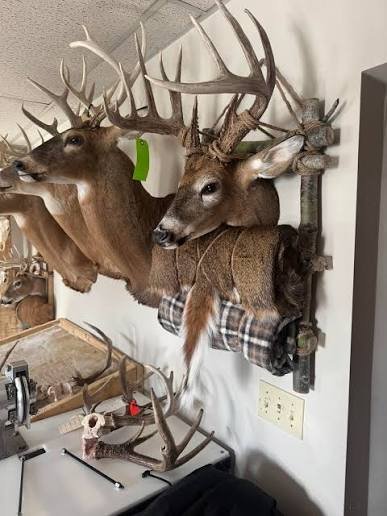
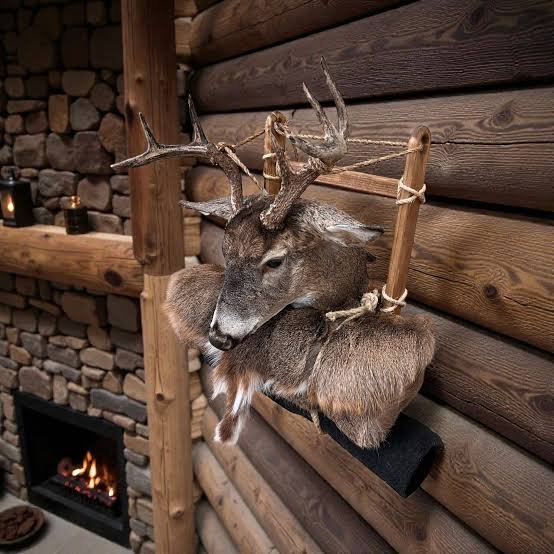
The types of taxidermy mounts
There are five main types of taxidermy mounts: shoulder, European (skull), pedestal, full-body (life-size), and rug. Each presents the animal differently, and the right one depends on your space, budget, and the look you want.
Here is every type compared at a glance:
| Mount type | What it shows | Space | Cost | Best for |
|---|---|---|---|---|
| Shoulder mount | Head, neck, and shoulders with skin | Wall | Moderate | Classic deer and big-game trophies |
| European mount | Clean skull and antlers, no skin | Wall or shelf | Low | Minimalist, DIY, space-saving |
| Pedestal mount | Mount on a freestanding base. | Floor or surface | Higher | Bold, museum-style, all-angle display |
| Full-body / life-size | The entire animal, posed | Floor | Highest | Dramatic centrepieces, from small mammals to bears |
| Rug mount | Flat hide with head attached | Wall or floor | Moderate | Bears and big cats, traditional |
Each type has a dedicated guide below. Choose the format first, then the species and the presentation.
Shoulder mounts
A shoulder mount preserves the animal’s head, neck, and shoulders with the skin and fur on, mounted on a wall plaque. It is the most common and recognizable type of mount, the classic trophy look, especially for deer, elk, and big game.
Shoulder mounts are lifelike and traditional, capturing the animal’s face and expression as if it is watching the room. They hang flat on the wall and are viewed from the front. A wall-pedestal variation angles the mount outward for a more dramatic, semi-three-dimensional presentation. Shoulder mounts are the default choice for a trophy buck, and the benchmark other formats are compared against.
European mounts
A European mount is the cleaned, whitened skull with the antlers or horns still attached, displayed without any skin. It is the minimalist, affordable alternative to a shoulder mount and the one type most people can make at home.
The clean skull-and-antlers look suits modern and rustic interiors alike, takes far less space than a shoulder mount, and costs much less. Because it can be done at home with a simmer and some peroxide, it is also the most popular entry point into taxidermy. Our dedicated European mount guide covers every cleaning method, whitening, cost, and display in full.
Pedestal mounts
A pedestal mount sits on a freestanding base rather than hanging on the wall, so it can be viewed from every angle. It gives a bold, museum-style presentation and lets the taxidermist pose the animal dynamically.
Pedestal mounts can stand on the floor as a centrepiece or on a desk or shelf in smaller forms, and a wall-pedestal version projects out from the wall to save space. The base, from a polished hardwood column to natural driftwood, sets the mood. Our pedestal mount guide covers wall versus floor pedestals, the best poses, and how to choose.
Full-body and life-size mounts
A full-body mount preserves the entire animal in a lifelike pose, the most dramatic and technically demanding type of mount. It is popular for smaller game like foxes and raccoons and for statement pieces like big cats and bears.
Because it shows the whole animal, a full-body mount needs floor space and commands any room as a centerpiece. It is the most expensive format, reflecting the skill and materials involved, and the most striking when done well.
Rug mounts
A rug mount is the animal’s hide laid flat with the head attached, traditionally used for bears and big cats. It is a classic lodge and cabin piece, displayed on a wall or floor.
Rug mounts show the full pelt and an open-mouthed head, giving a dramatic, traditional look. They suit bear and big-cat skins especially and remain a popular choice for rustic interiors.
Deer mounts: the most collected trophy
Deer are the most commonly mounted animal, and they can be displayed in almost every format. The white-tailed deer in particular is the classic subject of North American taxidermy.
A deer can be shown as a shoulder mount (the traditional trophy), a European skull mount (clean and affordable), a pedestal mount (bold and dynamic), or occasionally a full-body mount. The choice comes down to space and taste: a shoulder mount for the classic look, a European mount to save space and money, or a pedestal to make the antlers a centerpiece. Because deer are so widely collected, they set the standard for mount quality and are the best place for a first-time buyer to start. Browse our taxidermy mounts for sale to see the range.
African and safari mounts
African and safari mounts include big game like zebra, antelope, kudu, impala, and the big cats, and they are prized centrepieces for serious collectors. They come as shoulder mounts, pedestal mounts, full-body mounts, and rugs.
Safari mounts carry extra considerations: many African species are regulated under CITES and national law, so provenance and legal documentation matter more than with common game. A reputable dealer confirms a specimen is legal to own and ship to your location. The dramatic horns and markings of African game make them striking pedestal and full-body pieces. Always buy safari mounts from a specialist who documents origin and legality.
What drives the value of a taxidermy mount?
The value of a taxidermy mount comes down to the species, the format, the size, the quality of the work, and the provenance. Rarer species, larger animals, life-size formats, and finer craftsmanship all raise the price.
Here is what moves the value most:
- Species: common game like deer is affordable; rare or exotic species cost far more.
- Format: European mounts are cheapest; full-body and pedestal mounts cost the most.
- Size: larger animals need more material and skill, raising the price.
- Quality: fine sculpting, natural pose, and clean finishing command a premium.
- Provenance and legality: documented, legally sourced specimens are worth more and are safer to own.
- Condition and age: antique mounts in good condition can carry collector value.
Our guide to taxidermy costs breaks down price ranges by animal and format in detail.
How to judge the quality of a taxidermy mount
You judge a mount’s quality by the eyes, ears, seams, pose, and grooming, the details that separate fine work from poor work. A well-made mount looks alive; a poor one looks wrong in ways you feel before you can name.
Check the eyes first: they should be set naturally, symmetrical, and lifelike, not glassy or crooked. Look at the ears for natural shape and no cracking. Inspect the seams where skin was sewn, which should be invisible. Assess the pose for natural, balanced posture. And check the grooming: clean, well-directed fur with no bald patches or pest damage. On a European mount, look for bright, evenly whitened bone with no grease staining and intact nasal bones. Ask for clear photographs of the actual piece before buying.
Shoulder mount vs. European mount: the most common decision
The most common choice a buyer faces is between a shoulder mount and a European mount, and they represent two different philosophies. A shoulder mount is lifelike and traditional; a European mount is clean, minimalist, and affordable.
Here is the direct comparison:
| Feature | Shoulder mount | European mount |
|---|---|---|
| What it shows | Head, neck, and shoulders with skin and fur | Clean skull and antlers only |
| Look. | Lifelike, traditional trophy | Minimalist, sculptural |
| Space | Larger, needs wall room | Compact |
| Cost | Moderate to high | Low |
| Care | Dust fur, watch for pests. | Minimal, no fur |
| Can you DIY it? | Rarely | Yes. |
Choose a shoulder mount if you want the classic, lifelike trophy and have the wall space and budget. Choose a European mount if you want a clean, affordable, low-maintenance display, or if you want to make it yourself. Many collectors own both. Our European mount guide covers the DIY route in full.
Which taxidermy mount should you choose?
Choose your mount type by your space, budget, and the look you want. There is no single best format; each suits a different goal.
Here is a quick decision guide:
| If you want… | Choose… |
|---|---|
| The classic trophy look | Shoulder mount |
| Minimalist and affordable | European mount |
| A bold, all-angle centerpiece | Pedestal mount |
| Maximum drama and presence | Full-body / life-size mount |
| A traditional lodge piece | Rug mount |
| To save wall and floor space | European mount |
| To display big antlers | European or pedestal mount |
If you are undecided, the shoulder mount is the safe classic, and the European mount is the affordable, space-saving all-rounder. For a centerpiece, a pedestal or full-body mount makes the biggest statement.
The law: what every trophy buyer should know
Owning and buying taxidermy is legal for most species, but some are protected and tightly regulated, so the law is worth understanding before you buy. The rules depend on the species and where you live.
Many big cats, bears, wolves, birds of prey, marine animals, and exotic African game are regulated under CITES and national law, and some require permits to own, sell, or move across borders. Selling taxidermy commercially often requires licenses, and protected species need documentation. The practical rule for a buyer is simple: buy from a specialist who confirms a specimen is legally sourced and can be lawfully shipped to your location and who provides paperwork for regulated species. We confirm legality before every sale. For the ethics of sourcing, see our guide on whether taxidermy is ethical.
How to display a taxidermy mount
You display a taxidermy mount by matching the format to the space: wall mounts need a solid fixing into a stud, pedestals need floor or surface space, and all mounts need protection from sun, damp and pests. Placement makes or breaks the presentation.
Hang shoulder and European mounts at eye level or slightly above, fixed into a wall stud rated for the weight; larger antlered skulls need a heavy-duty bracket. Give pedestal and full-body mounts stable floor space away from foot traffic and curious pets. Keep every mount out of direct sunlight and away from radiators and humidity, which fade and dry the piece. Our guide to displaying taxidermy covers arrangement and styling in depth.
Displaying taxidermy in your home
Beyond the fixing itself, where and how you place a mount transforms how it reads in a room. Taxidermy works in far more interiors than people expect, from rustic lodges to modern minimalist spaces.
A single European mount on a clean wall reads as sculptural and contemporary. A cluster of shoulder mounts creates a traditional trophy-room feel. A full-body or pedestal piece works as a bold centrepiece with space around it. Consider the backdrop: pale walls make antlers and pale skulls stand out, while dark or wood-panelled walls suit fur mounts. Lighting matters too; a directed light turns a mount into a feature, but keep it cool and never in direct sun. Group pieces by theme (all birds, all deer) or scale for a curated look rather than a scattered one. Our guide to displaying taxidermy goes deeper into arrangement and styling.
How to care for a taxidermy mount
You care for a taxidermy mount by keeping it out of sunlight and damp, dusting it gently, and protecting it from pests. Well-cared-for taxidermy lasts for generations.
Dust regularly with a soft brush in the direction of the fur, or a hairdryer on a cool setting, and keep the mount away from direct sun, heat, and humidity. Watch for signs of pests like carpet beetles, which damage fur and feathers. European mounts need the least care of all, since they have no skin or fur. Our taxidermy care guide covers the full routine.
How to buy a taxidermy mount
Buying a taxidermy mount well comes down to six steps: choose the format, choose the species, set a budget, judge the quality, confirm provenance and legality, and buy from a specialist. Follow those and you will own a piece you treasure.
- Choose the format. Shoulder, European, pedestal, full-body, or rug, based on your space and taste.
- Choose the species. Match the animal to your room and budget.
- Set a budget. Common species and European mounts are affordable; rare species and life-size mounts cost more.
- Judge the quality. Check the eyes, ears, seams, pose, and grooming.
- Confirm provenance and legality. Ask about origin and whether the species is protected.
- Buy from a specialist. A dedicated dealer curates quality, documents origin, and ships securely.
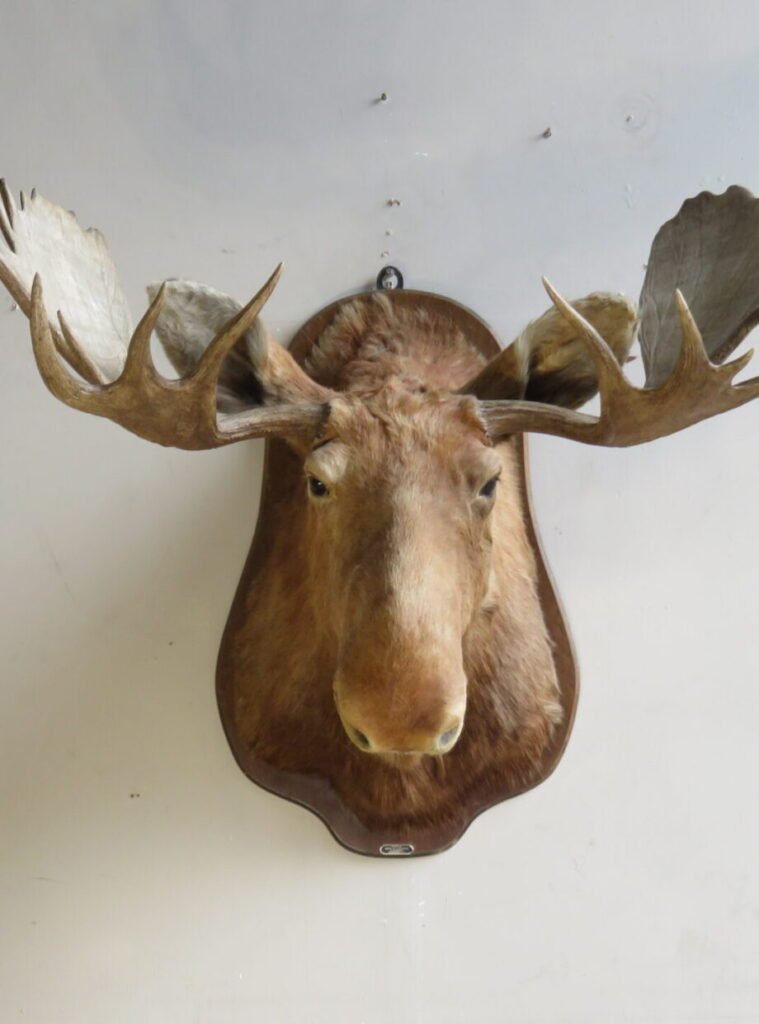
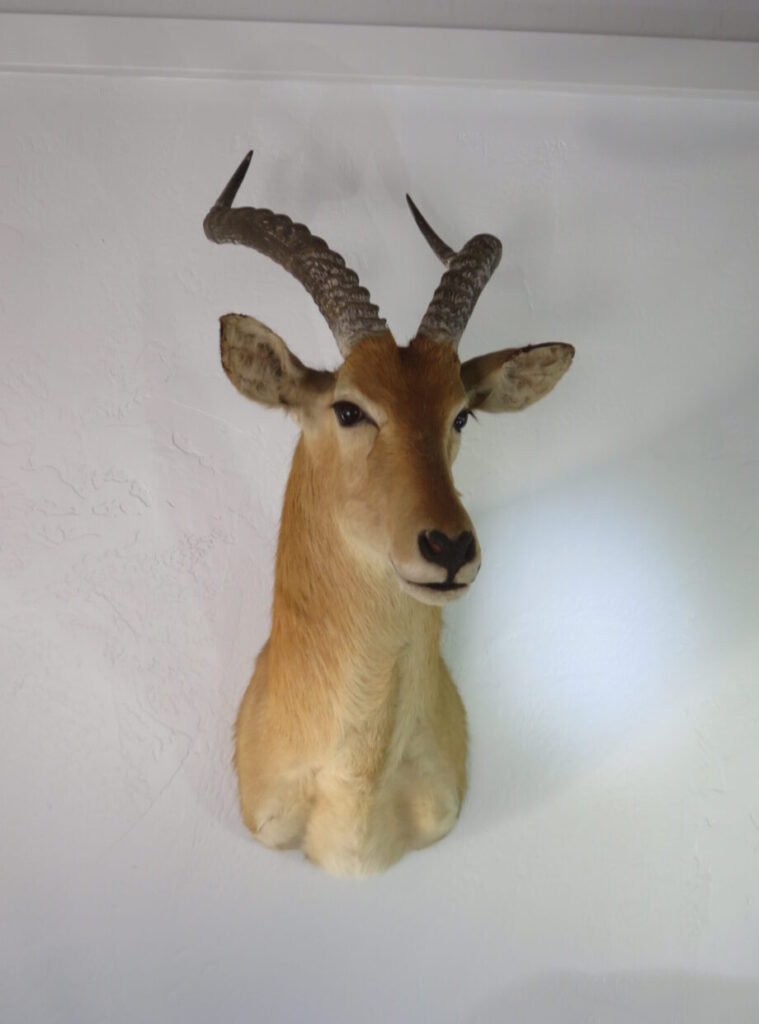
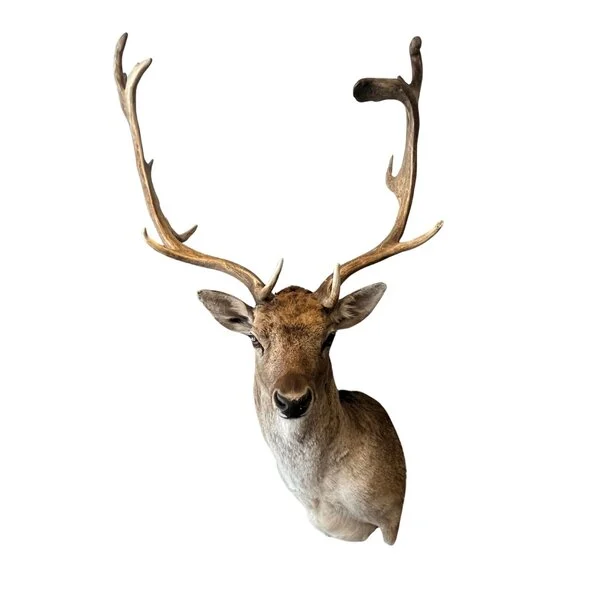
Browse our taxidermy mounts for sale for documented, ethically sourced pieces, each shipped worldwide in secure, insured packaging.
Antique and vintage taxidermy mounts
Antique and vintage taxidermy mounts are a collecting field of their own, prized for their history, craftsmanship, and character. A genuine Victorian or early twentieth-century mount can carry real collector value beyond the animal itself.
Older mounts often show the style of their era, cased birds under glass domes, classic shoulder mounts, and cabinet-of-curiosity pieces. Value depends on age, condition, the skill of the original taxidermist, and rarity. Antique mounts can also fall under different rules than new ones, since some protected-species laws treat genuinely antique specimens differently, though you should always confirm the specifics for your location. Collectors prize honest provenance above all: a documented antique piece is worth more and safer to own than an undated one. Our cabinet of curiosities guide explores this collecting tradition.
Real mounts vs. reproductions
Some mounts are real preserved animals, and some are accurate reproductions, and both have their place. Reproductions are common and accepted for fish and for replica skulls, while mammals and birds are usually real.
A real mount is the preserved animal itself. A reproduction is a cast or replica, standard for fish (where replica mounts are more durable and often preferred) and available as replica skulls for European-style display. Neither is “fake” when described honestly; what matters is that the seller tells you which you are buying. Our guide to prehistoric and replica skulls explains the real-versus-replica choice.
Frequently asked questions
What are the different types of taxidermy mounts?
The five main types are shoulder mounts (head, neck, and shoulders with skin), European mounts (clean skull and antlers), pedestal mounts (on a freestanding base), full-body or life-size mounts (the whole animal posed), and rug mounts (a flat hide with head attached). Each suits a different space, budget, and look.
What is the most popular type of taxidermy mount?
The shoulder mount is the most common and recognizable, the classic trophy look, especially for deer. The European mount is the most popular, affordable, space-saving, and DIY-friendly option.
How much does a taxidermy mount cost?
It depends on the species, format, and size. European mounts are the cheapest, shoulder mounts are moderate, and pedestal and full-body mounts cost the most. Rare and exotic species raise the price. Our taxidermy cost guide breaks down the ranges.
Which taxidermy mount is best for saving space?
The European mount saves the most space, since it is just the clean skull and antlers with no bulky neck or shoulders. A wall pedestal is also space-efficient while still offering a dynamic display.
Is it legal to buy a taxidermy mount?
Most mounts are legal to buy and own, but many species, including big cats, bears, wolves, birds of prey, marine animals, and exotic African game, are protected under CITES and national law. Buy from a specialist who confirms legality and documents provenance.
Can you buy a finished taxidermy mount online?
Yes. You can buy finished mounts in any format from a specialist dealer who documents each specimen and confirms it is legal to ship to you. Browse our taxidermy mounts for sale for documented, ethically sourced pieces.
Find your taxidermy mount.
Now you know every type of taxidermy mount, what drives the price, the law, how to judge quality, and how to choose, display, and buy the right piece. Whether the format suits your space, from a clean European skull to a dramatic full-body centrepiece, the key is buying a genuine, well-made mount from a specialist you trust.
Ready to browse? See our taxidermy mounts for sale, all documented, ethically sourced, and shipped worldwide in secure, insured packaging. Explore the deep dives on the European mount and the pedestal mount, or start with our complete guide to taxidermy. Questions about a specimen? Message us on WhatsApp or email. We are happy to help.
Shop Products by Category
-
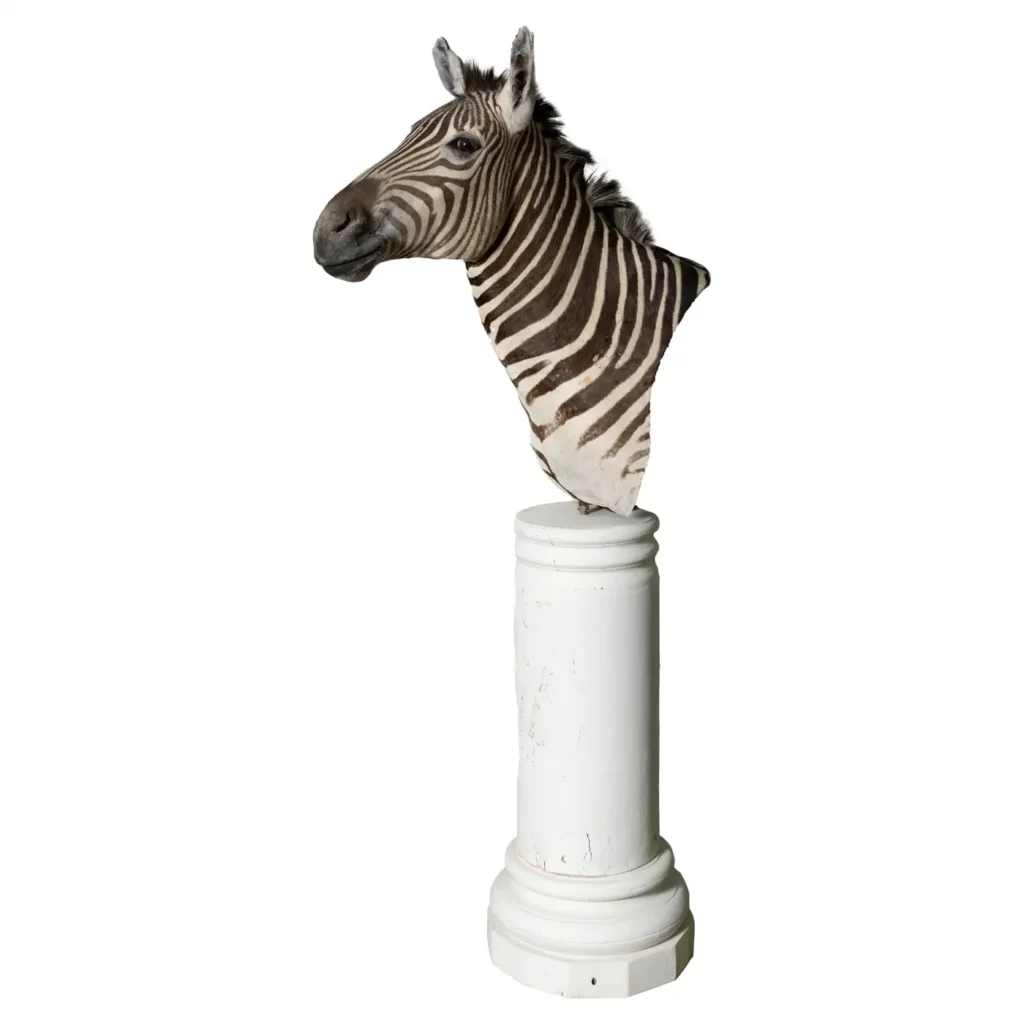
Burchell’s Zebra Premier Quality Shoulder Mount (Equus quagga burchellii)
-
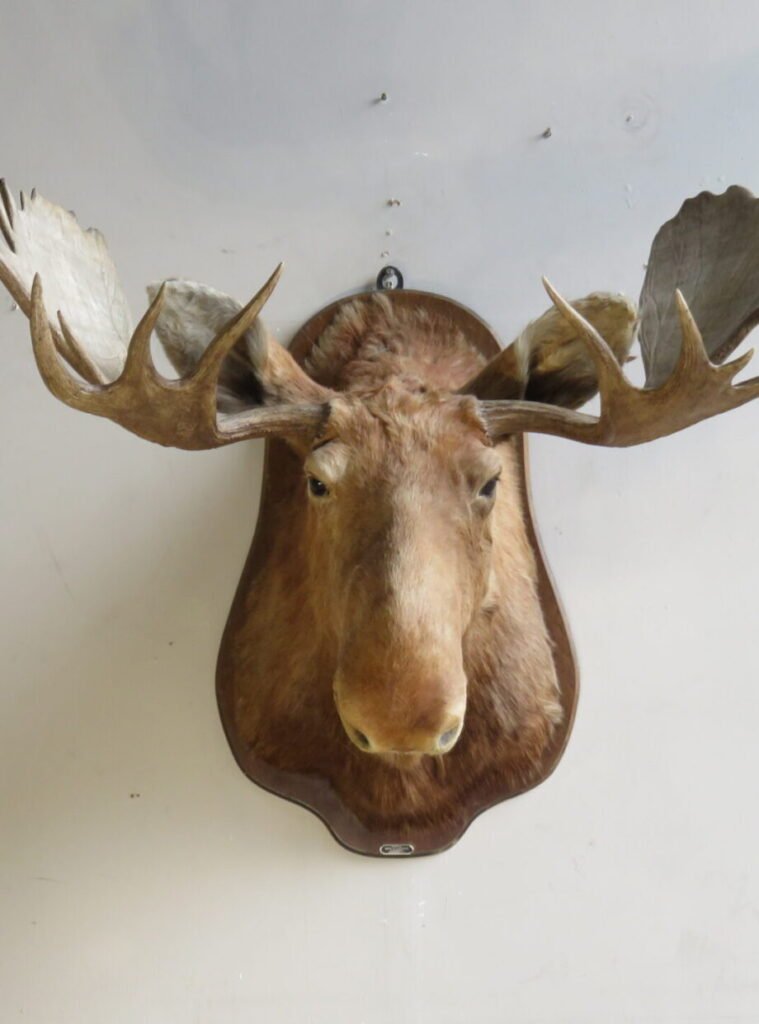
Canadian Moose Shoulder Mount, 49″ Rack (Alces alces)
-
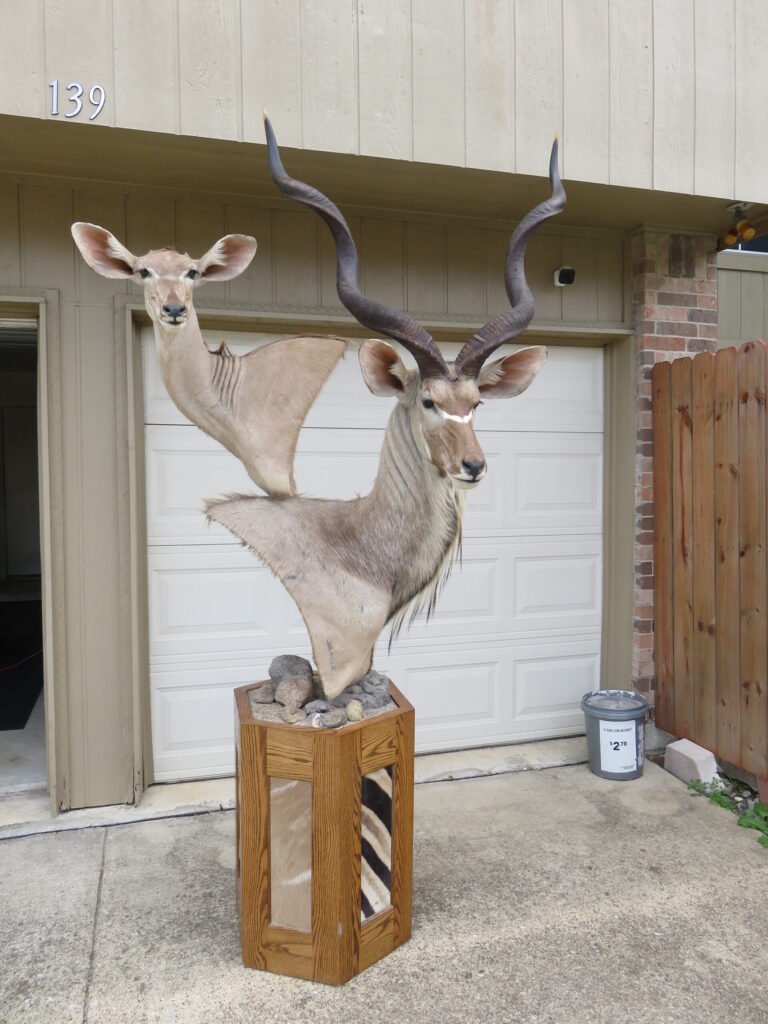
Greater Kudu Pair Shoulder Mount (Tragelaphus strepsiceros)
-
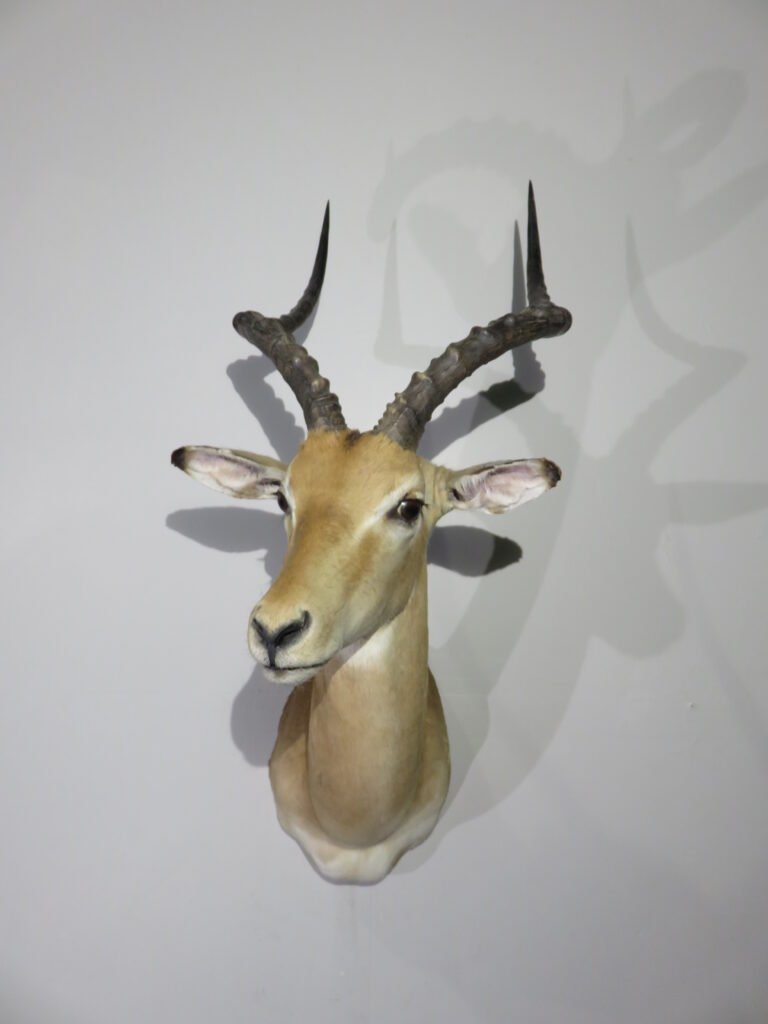
Impala Shoulder Mount, SCI Silver Class (Aepyceros melampus)
-
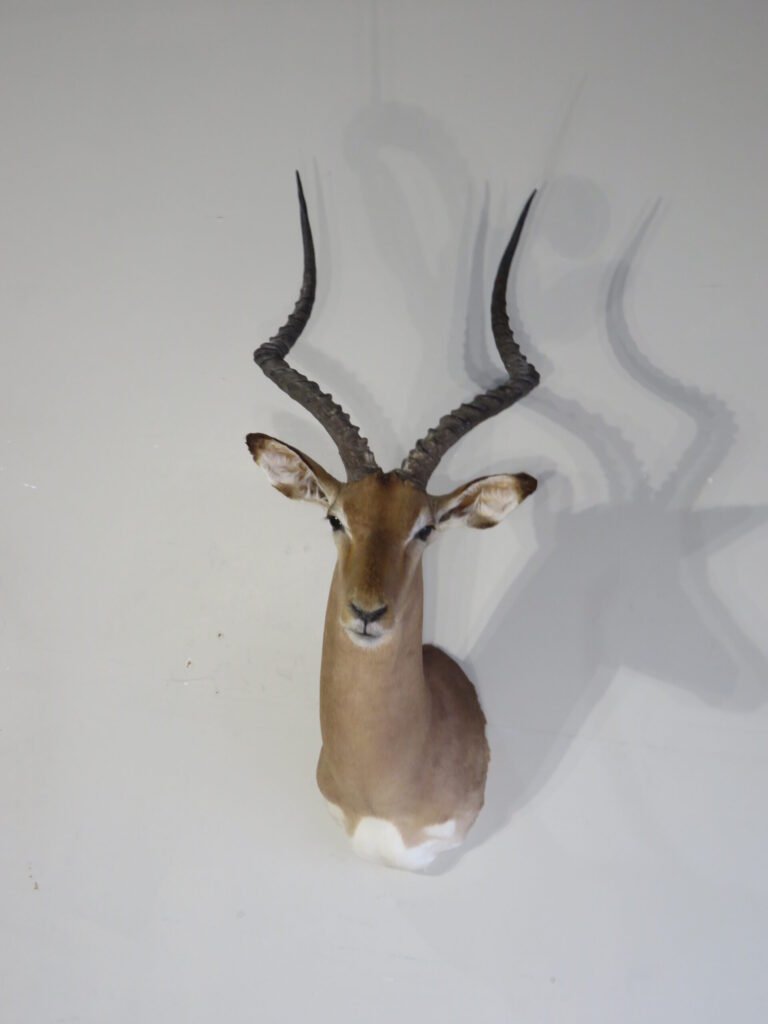
Impala Trophy Shoulder Mount, SCI Gross Score (Aepyceros melampus)
-
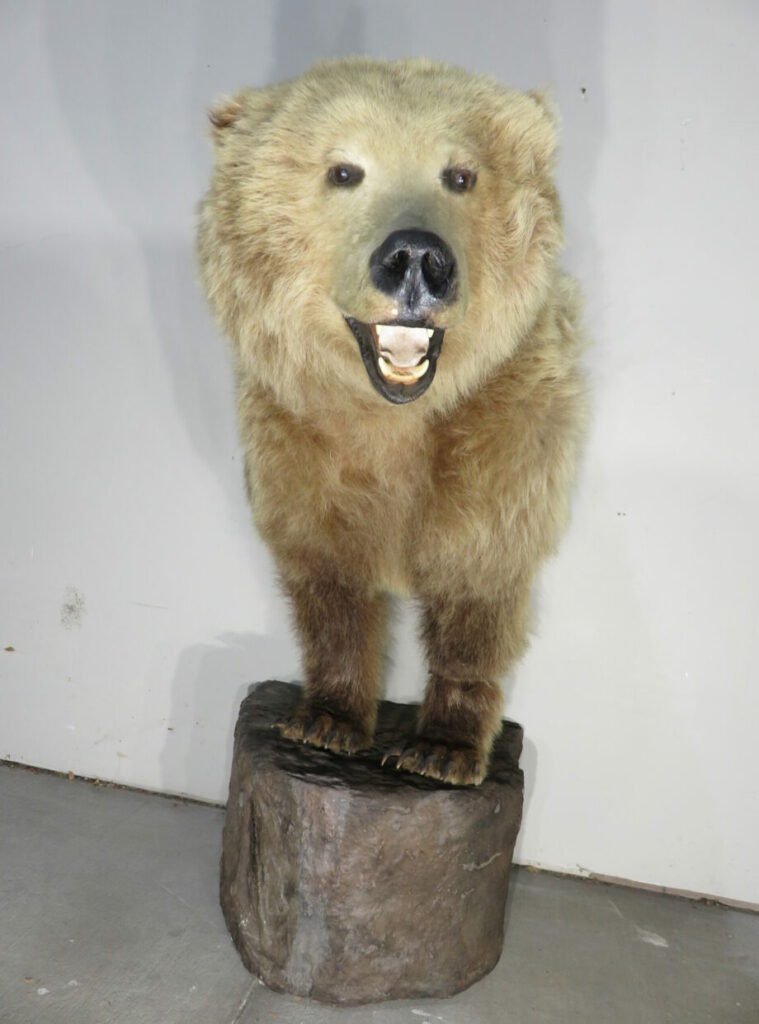
Kodiak Brown Bear Taxidermy Mount (Ursus arctos middendorffi)
-
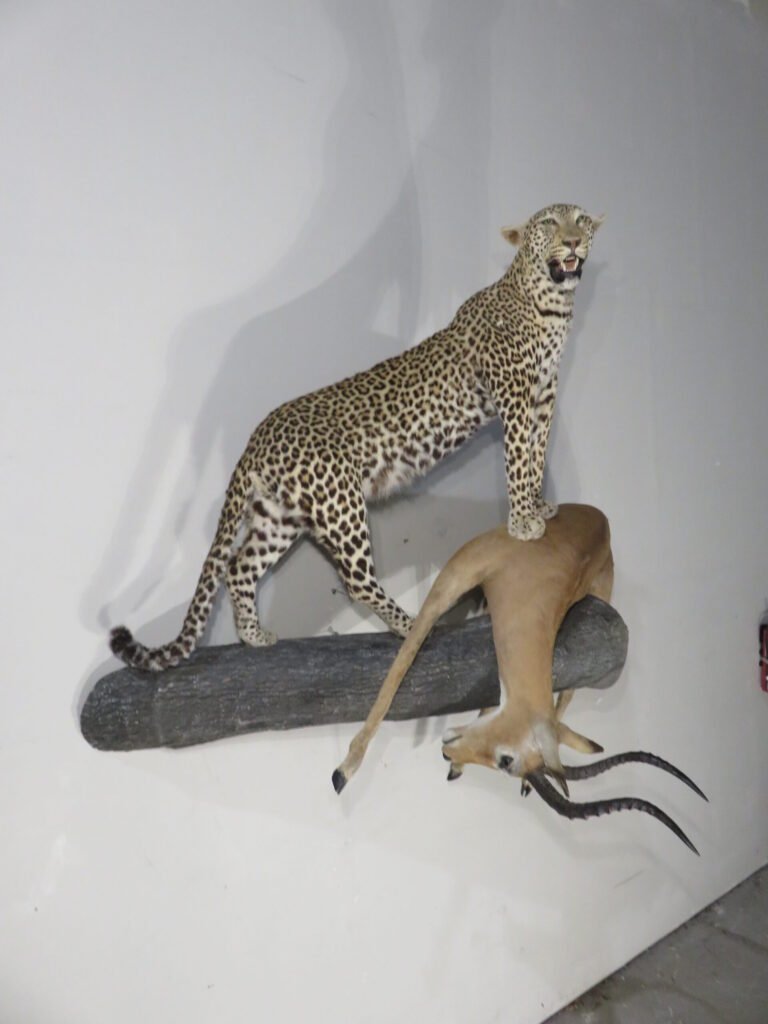
Leopard and Impala Trophy Mount (Panthera pardus & Aepyceros melampus)
-
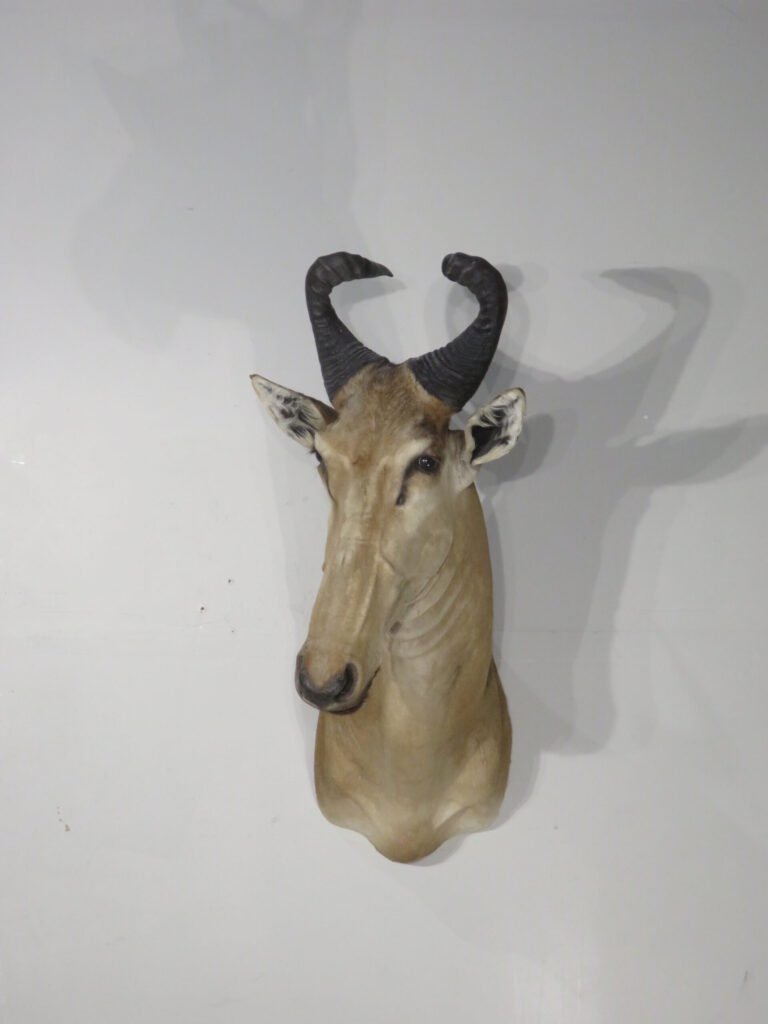
Lichtenstein’s Hartebeest Shoulder Mount (Alcelaphus lichtensteinii)
-
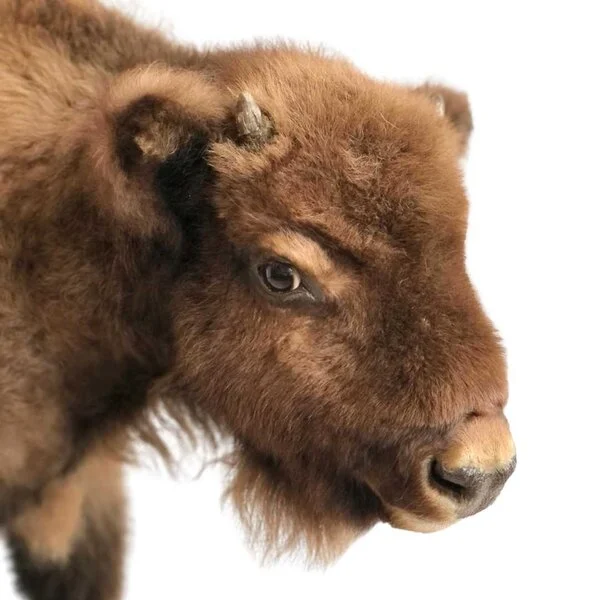
Mounted Bison Calf (Bison bison, Full Mount Taxidermy)