
Blue Patina Mammoth Tusks: Why the Color Matters
A blue patina mammoth tusk gets its striking color from vivianite, an iron phosphate mineral that stains fossil ivory blue during burial in oxygen-poor ground. Blue is the rarest and most prized of all mammoth tusk colors, which is why a blue tusk commands a clear premium over a common gold one. This guide explains what creates the color, why it is so rare, what it does to value, and how to spot a genuine blue patina tusk.
What is patina on a mammoth tusk?
Patina is the surface color a mammoth tusk gains during fossilization. When a woolly mammoth tusk lies buried for tens of thousands of years, groundwater carries minerals into the ivory. Those minerals stain it, and the exact chemistry of the ground decides the color.
The result is a spectrum. Most tusks turn warm gold and tan from iron staining. Some go deep brown or chocolate. A rare few turn blue and black. Patina is entirely natural, and it is the main reason no two mammoth tusks look the same.
What causes the blue color?
The blue comes from vivianite, a mineral made of iron and phosphate. Vivianite forms in wet, oxygen-poor ground, exactly the conditions found in parts of the permafrost and riverbeds where mammoth tusks lie buried.
As vivianite develops in and on the ivory, it stains it a deep blue that can shade toward black. Interestingly, freshly exposed vivianite is often pale, but it darkens to a rich blue as it meets air and light. That deep, stable blue is what collectors prize. Because it depends on a specific and uncommon chemistry, most tusks never turn blue at all.
Why is blue patina so rare?
Blue patina is rare because the ground conditions that create it are uncommon. A tusk needs to fossilize in wet, oxygen-poor, iron-and-phosphate-rich ground for vivianite to form and stain the ivory evenly. Most burial sites do not meet those conditions, so most tusks come out gold or brown.
Even among blue tusks, quality varies. Some show only patches of blue, while a few show strong, even color across the whole surface. A tusk with a deep, consistent blue patina is genuinely scarce, and scarcity is what drives its appeal.
The blue patina premium
A blue patina mammoth tusk is worth more than a gold tusk of the same size, often significantly so. Value in mammoth ivory comes from size, condition, provenance, and color, and blue is the color collectors chase.
When you compare two tusks of equal length and condition, the blue one will usually carry a premium. If color is your priority, expect to pay for it, and treat a large, deep-blue, well-preserved tusk as a top-tier piece. For the full picture on pricing, see our guide on how much a mammoth tusk is worth.
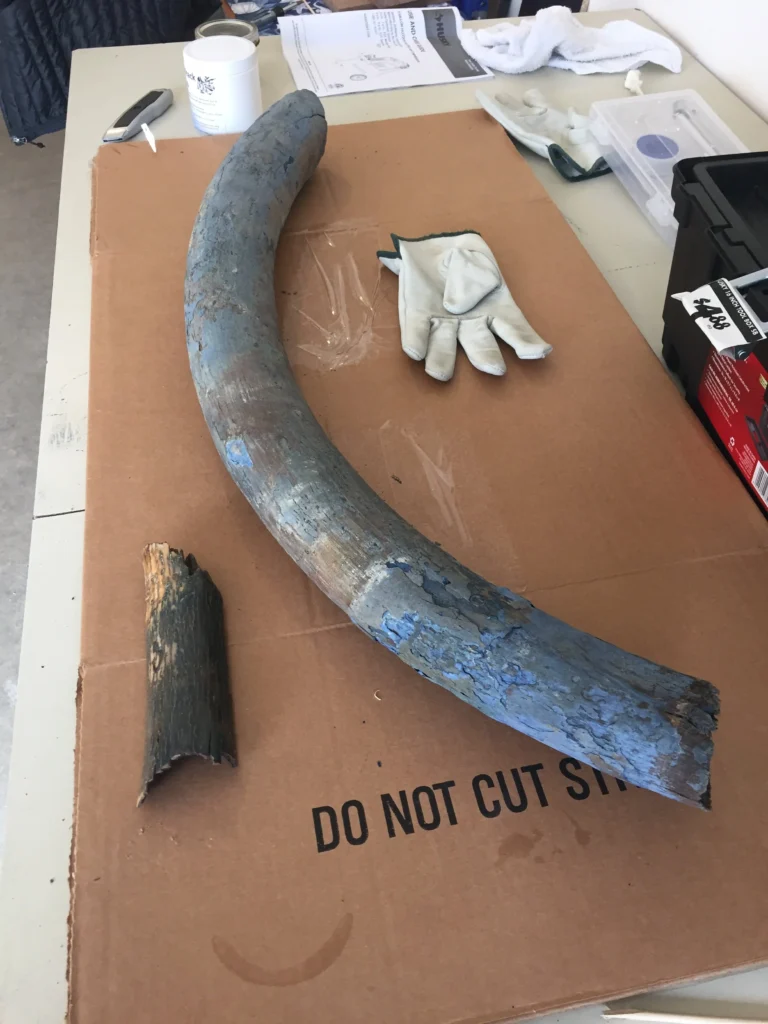
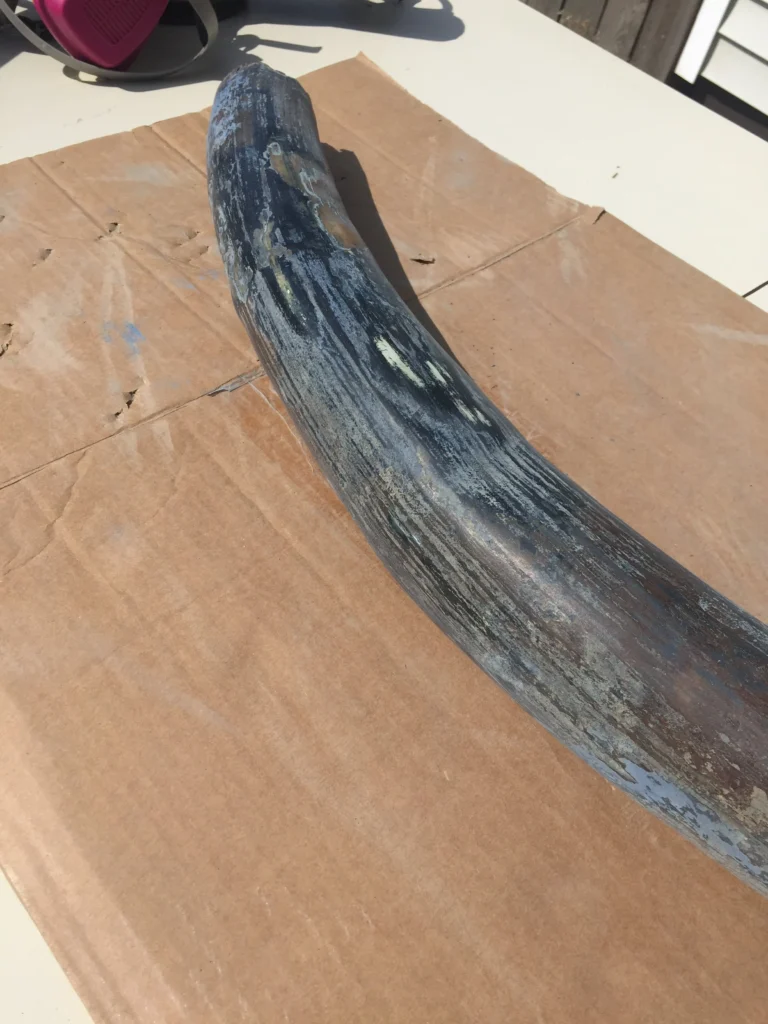
How to spot a genuine blue patina tusk
A real blue patina is natural, even in character, and consistent with the tusk’s overall fossil surface. Here is what to look for and what to avoid.
- Natural, varied tone. Genuine vivianite blue shifts subtly across the surface, deeper in some areas, lighter in others. Flat, uniform, painted-looking blue is a warning sign.
- Consistency with the fossil. The blue should sit on and within an aged, weathered fossil surface, not on fresh or artificial-looking material.
- No dye bleed. Be wary of tusks where the blue looks applied, pools in cracks unnaturally, or rubs off. Dishonest sellers occasionally dye ivory to fake the rare color.
- Documentation. Buy from a seller who documents origin and describes the patina honestly.
If a deal on a large blue tusk looks too good, treat the color as suspect and ask questions. Genuine blue is rare and priced accordingly.
The full mammoth tusk color spectrum
To put blue in context, here is how the main patina colors compare.
| Patina color | Cause | Rarity | Collector appeal |
|---|---|---|---|
| Cream / amber | Minimal staining | Common | Classic ivory look |
| Gold / tan | Iron staining | Most common | Warm, versatile |
| Brown / chocolate | Heavier minerals | Less common | Rich, dramatic |
| Blue / black | Vivianite | Rare | Highest, most prized |
Where do blue patina tusks come from?
Blue patina tusks come from the same regions as other mammoth ivory but from specific burial conditions within them. Most mammoth tusks are recovered from the permafrost of Siberia, especially Yakutia, and from Alaska, with some dredged from the North Sea.
Within those regions, blue patina forms where a tusk happens to lie in wet, oxygen-poor ground rich in iron and phosphate. Riverbeds and waterlogged sediments are prime spots. Because only a fraction of tusks fossilize in exactly those conditions, blue specimens are scattered and scarce, even where mammoth ivory is otherwise plentiful. A documented source adds confidence that a blue tusk is both genuine and legally collected.
Blue patina vs. dyed ivory: a closer look
Because blue commands a premium, it pays to know the difference between natural patina and artificial color. Natural vivianite blue is part of the fossil itself. It varies in depth across the surface, sits within the aged texture of the ivory, and does not rub off.
Dyed or artificially colored ivory looks different once you know the signs. The color tends to be flat and even, pools unnaturally in cracks, and may transfer to a cloth. It can also sit on top of a surface that otherwise looks too fresh for a genuine fossil. When you are paying a premium for color, insist on close-up photographs and honest descriptions, and buy from a seller who documents the tusk. The mammoth tusk value guide explains how color fits into overall pricing.
Is a blue patina tusk a good investment?
A blue patina tusk sits at the top of the mammoth ivory market, and top-tier pieces tend to hold value best. The logic is simple. Supply is fixed, since mammoths are extinct, and blue is the rarest color. A large, complete, deep-blue tusk combines every value driver at once: size, condition, provenance, and the most sought-after patina.
That said, buy a blue tusk because you love it, not purely as a bet. Condition and honesty of restoration still matter, and a smaller blue tusk with clean, natural color can be a finer piece than a larger tusk with patchy or dyed blue. Choose the best genuine example you can afford, keep its documentation, and care for it well. Do that, and a blue patina mammoth tusk is both a beautiful object and a sound long-term hold.
Displaying a blue patina tusk
A blue tusk deserves a display that shows off its color. Place it where natural or warm light can bring out the blue, but keep it out of harsh, direct sunlight, which fades patina over time. A neutral background makes the color stand out. Use a stable, well-built mount that supports the full curve, and keep the tusk away from damp and heat to protect both the ivory and the vivianite surface.
Handled and displayed well, a blue patina mammoth tusk is one of the most beautiful natural objects you can own. At the Bones Vault, our monumental blue patina specimen is the centerpiece of the woolly mammoth tusk collection.
Frequently asked questions
Why are some mammoth tusks blue?
The blue comes from vivianite, an iron phosphate mineral that forms in wet, oxygen-poor ground and stains the fossil ivory. It darkens to a rich blue when exposed to air and light.
Is a blue mammoth tusk worth more?
Yes. Blue is the rarest patina color, so a blue tusk usually commands a premium over a gold or brown tusk of the same size and condition.
Is the blue color natural or added?
Genuine blue patina is natural, created by vivianite during fossilization. Some dishonest sellers dye ivory to fake it, so look for natural, varied tone and buy from documented sources.
Does blue patina fade?
It can fade under harsh, direct sunlight over time. Display a blue tusk in good but indirect light, and keep it away from heat and dampness to preserve the color.
What is the rarest mammoth tusk color?
deep, even from blue to black, caused by vivianite. Most tusks are gold or brown, so a strong blue tusk is genuinely scarce.
See a blue patina tusk.
A blue patina mammoth tusk is the rarest and most beautiful form of legal ivory you can collect. Explore our woolly mammoth tusk collection, including our monumental blue patina centrepiece, and read the full woolly mammoth tusk guide to learn more.
Other Tusk Products by Category
-
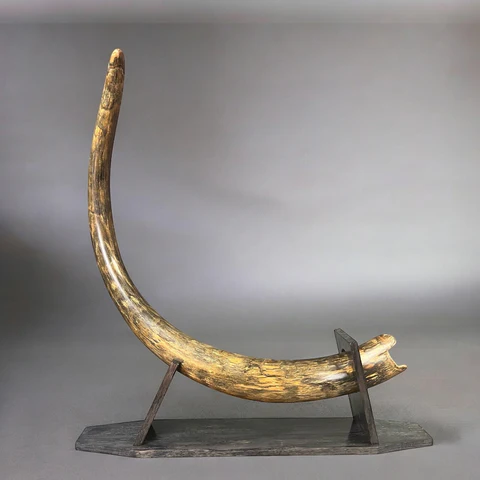
Fossilized Woolly Mammoth Tusk (Mammuthus primigenius, 64″)
-
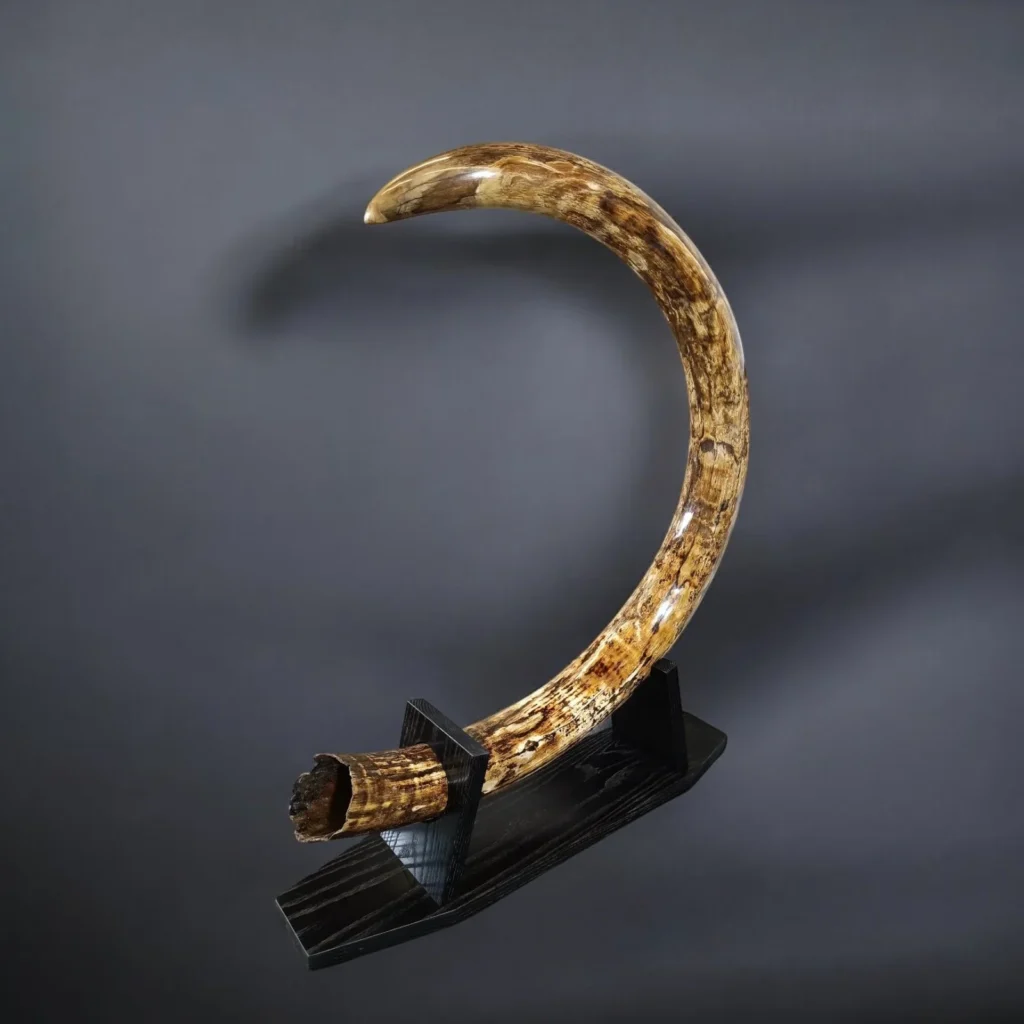
Large Woolly Mammoth Tusk (Mammuthus primigenius, 9′ / 100 lbs)
-
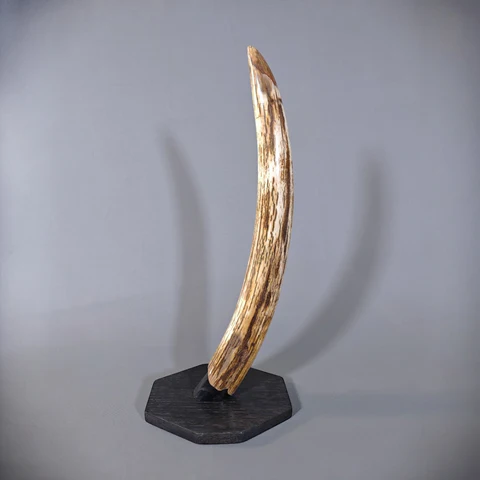
Woolly Mammoth Ivory Tusk (Mammuthus primigenius, 23.5″)
-
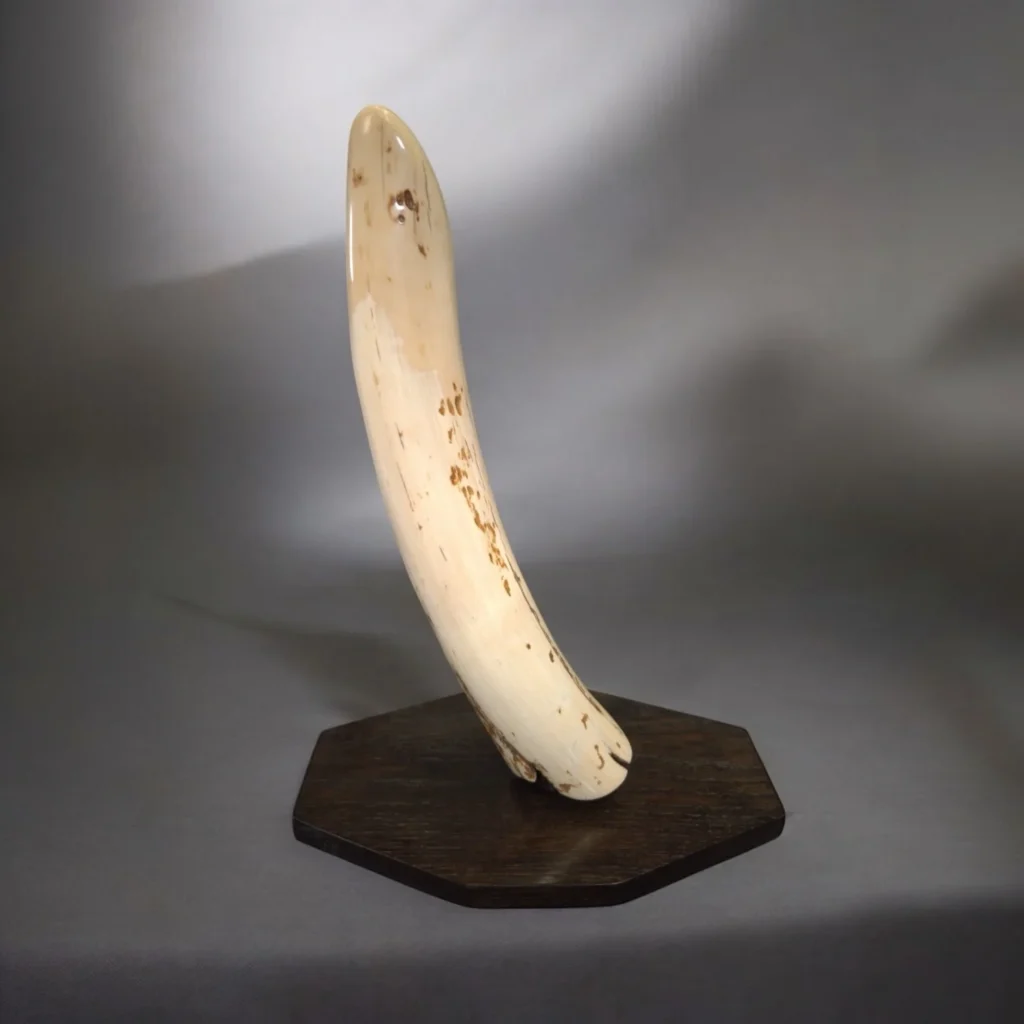
Woolly Mammoth Tusk (Mammuthus primigenius, 18″)
-
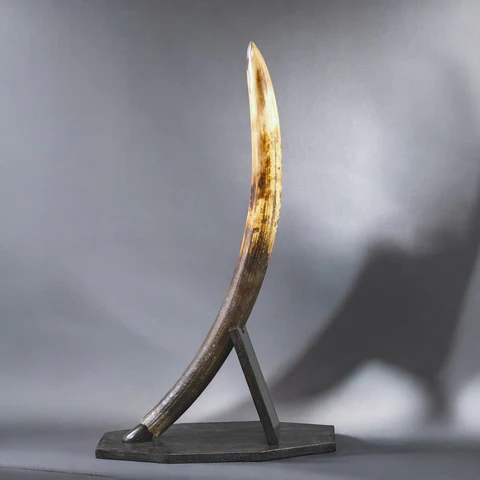
Woolly Mammoth Tusk (Mammuthus primigenius, 32.5″)
-
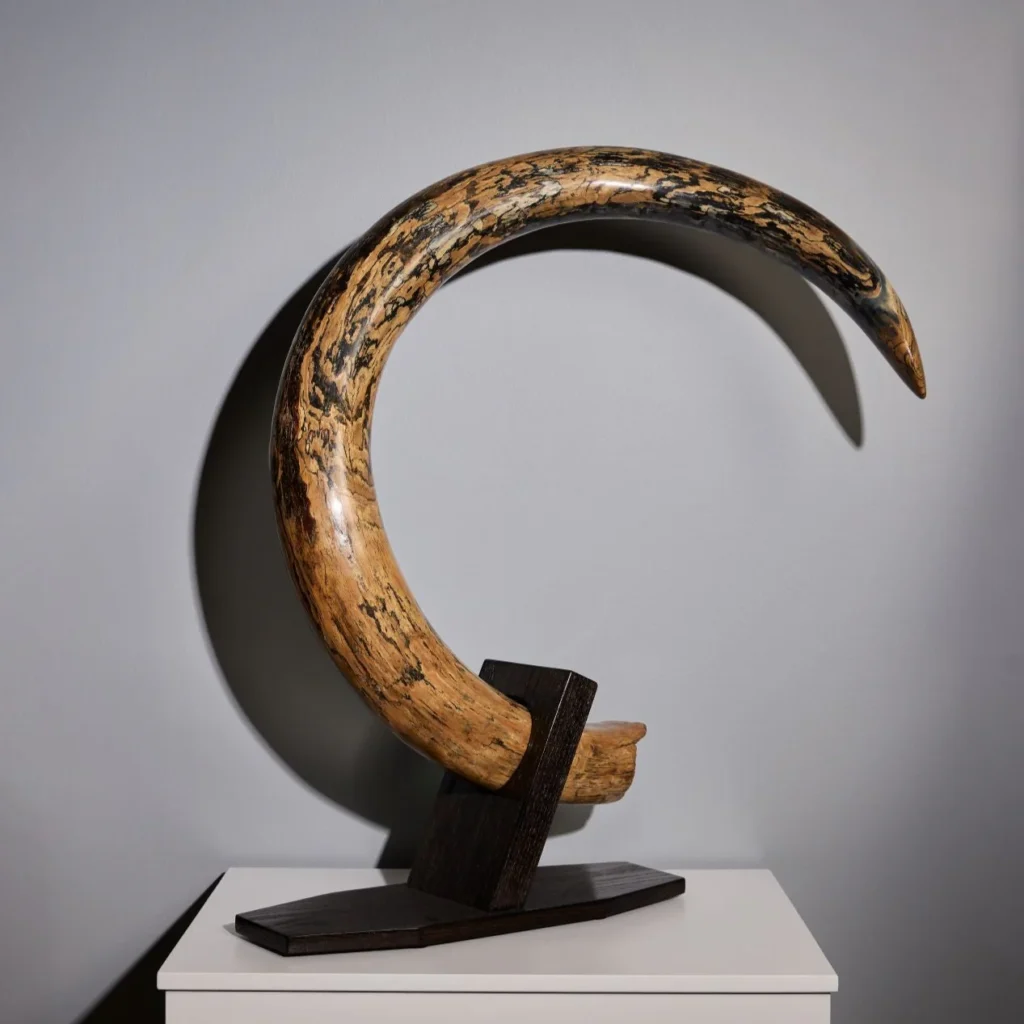
Woolly Mammoth Tusk (Mammuthus primigenius, 69″)
-
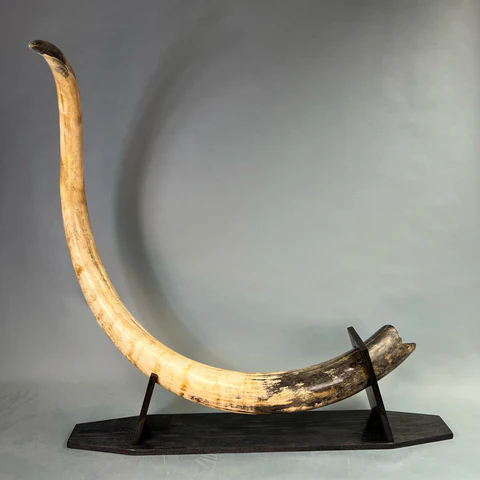
Woolly Mammoth Tusk (Mammuthus primigenius, 7′ 6″)
-
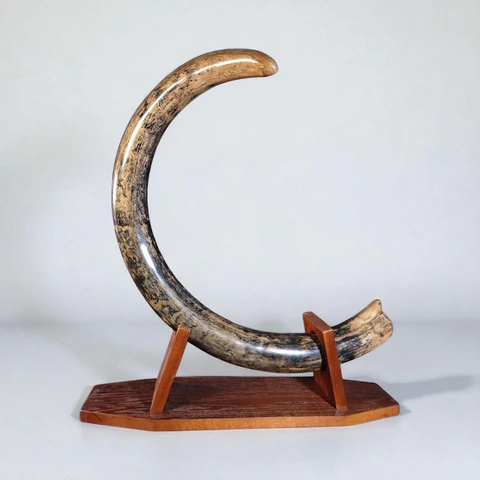
Woolly Mammoth Tusk (Mammuthus primigenius, 8′ / 86 lbs)
-
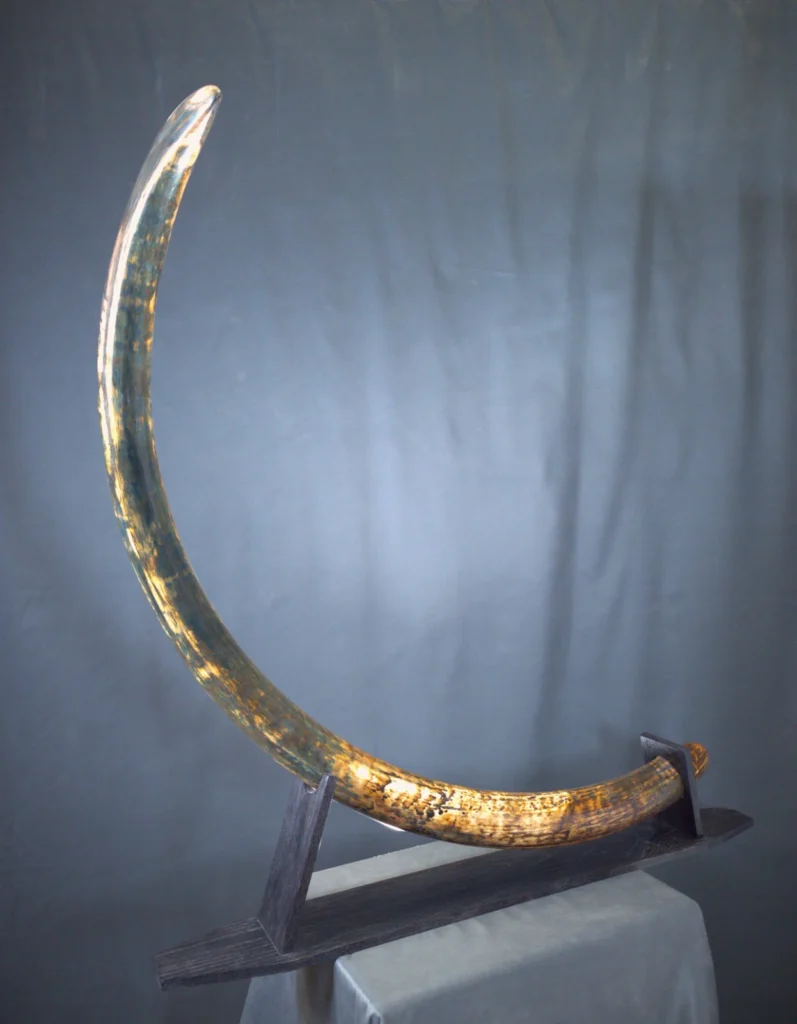
Woolly Mammoth Tusk (Mammuthus primigenius, 8′ 2″)