
Fossil Display and Mounting: How to Show Your Fossils the Right Way
The best way to display a fossil is to match the mount to the specimen: small fossils suit a display case or riker box, flat pieces suit a stand or easel, and large fossils like a mammoth tusk need a custom cradle or wall mount. This guide shows you exactly how to display and mount any fossil so it looks its best and stays protected, whatever its size.
You will learn which display method suits which fossil, how to choose a case, box, or stand, how to mount heavy specimens safely, and the display ideas that turn a fossil into a centrepiece. Let’s get into it.
Products by Category
-
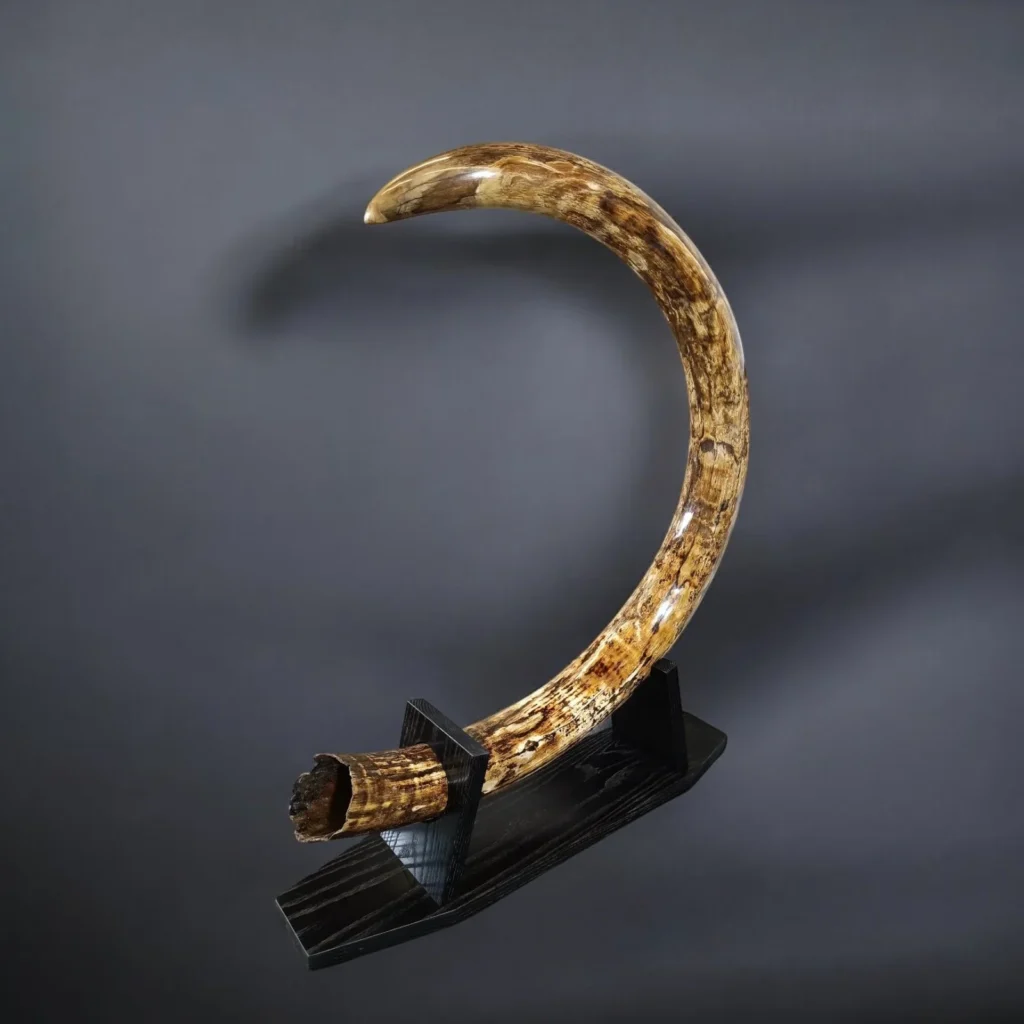
Large Woolly Mammoth Tusk (Mammuthus primigenius, 9′ / 100 lbs)
-
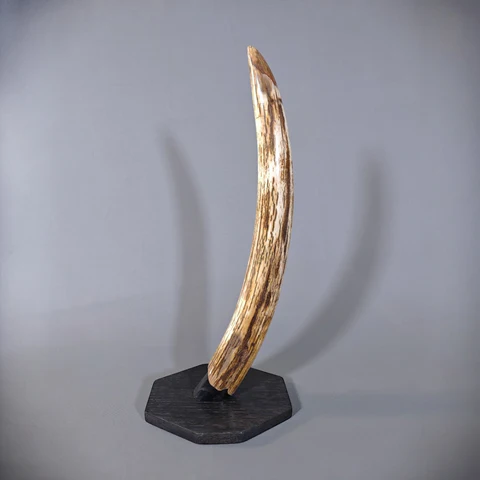
Woolly Mammoth Ivory Tusk (Mammuthus primigenius, 23.5″)
-
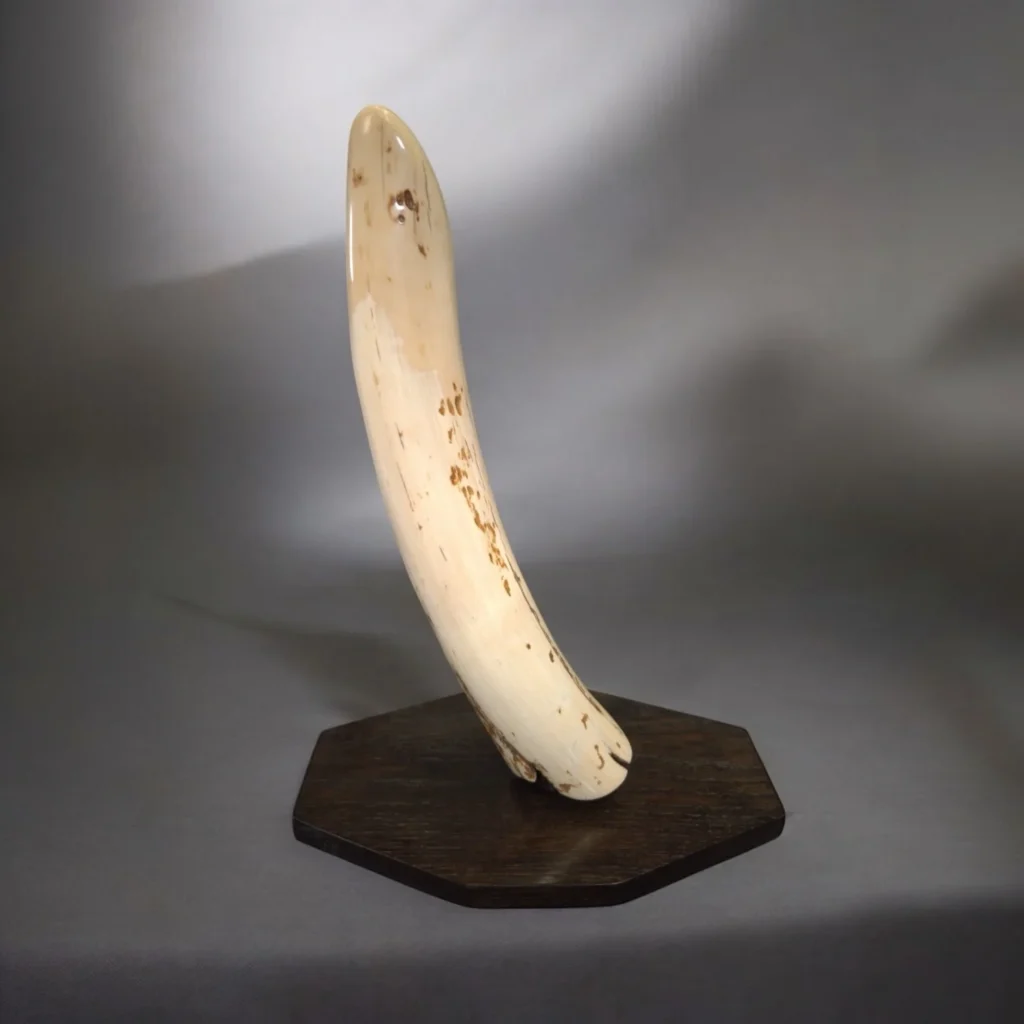
Woolly Mammoth Tusk (Mammuthus primigenius, 18″)
-
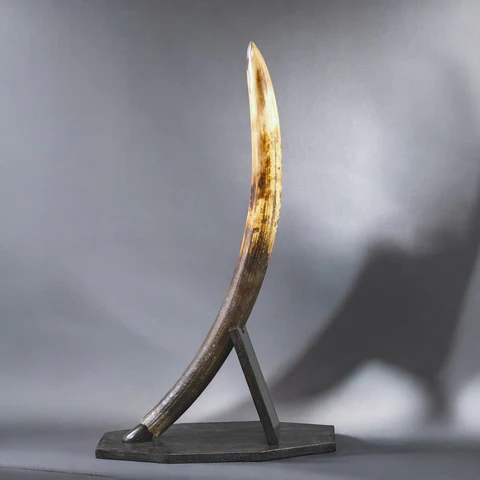
Woolly Mammoth Tusk (Mammuthus primigenius, 32.5″)
-
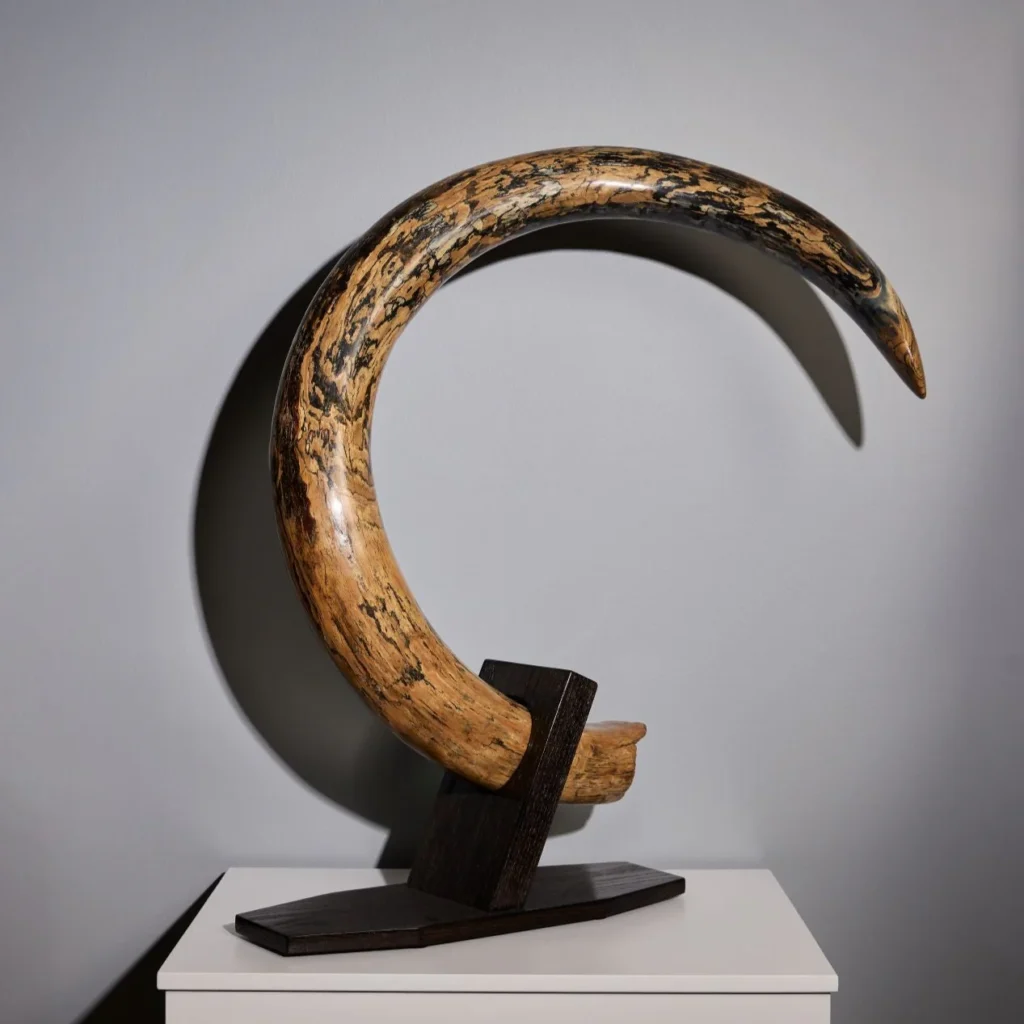
Woolly Mammoth Tusk (Mammuthus primigenius, 69″)
-
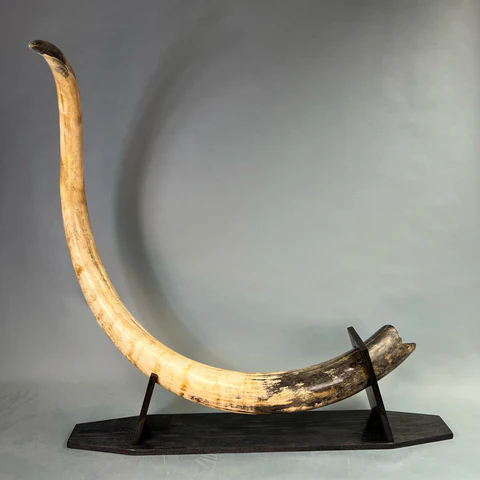
Woolly Mammoth Tusk (Mammuthus primigenius, 7′ 6″)
-
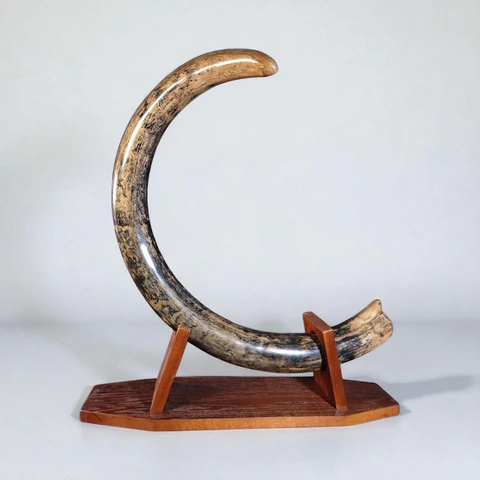
Woolly Mammoth Tusk (Mammuthus primigenius, 8′ / 86 lbs)
-
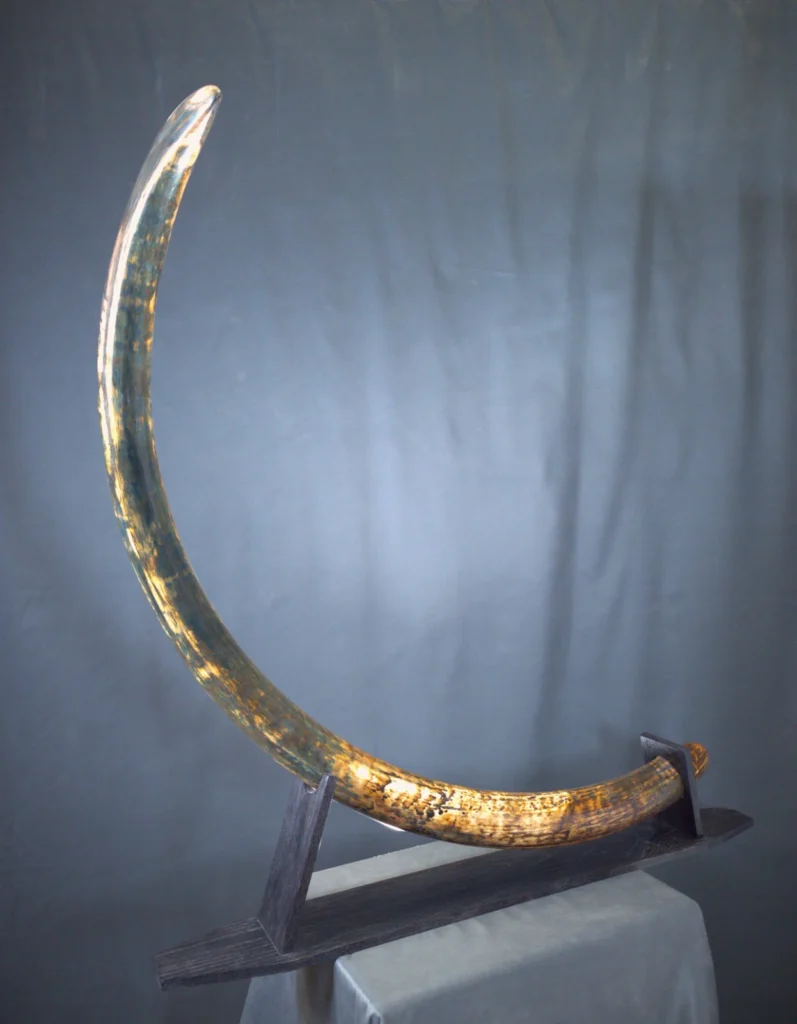
Woolly Mammoth Tusk (Mammuthus primigenius, 8′ 2″)
-
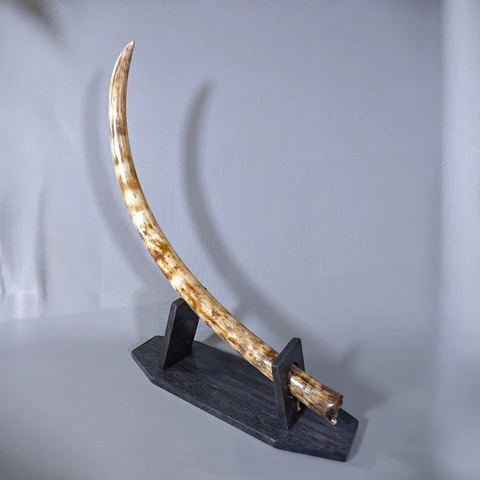
Woolly Mammoth Tusk Fossil (Mammuthus primigenius, 44.5″)
What is the best way to display a fossil?
The best fossil display protects the specimen, shows its best feature, and suits its size and weight. There is no single right answer, because a tiny shark tooth and a two-meter mammoth tusk need completely different solutions.
Start by asking three questions about your fossil. How big and heavy is it? Is it flat or three-dimensional? And is it fragile or sturdy? The answers point you to the right display. A small, flat fossil is happy in a display case or frame. A three-dimensional specimen wants a stand that shows it in the round. A large, heavy fossil like a mammoth tusk or a big bone needs a custom cradle or mount built to carry the weight. Get the match right and your fossil looks like a museum piece; get it wrong and it either hides its best side or, worse, gets damaged.
Fossil display methods at a glance
There are five main ways to display a fossil: a display case, a riker or display box, a stand or easel, a wall mount, and a custom cradle. Each suits a different specimen. Here is the quick guide.
| Display method | Best for | Why |
|---|---|---|
| Display case (glass/acrylic) | Small to medium fossils, collections | Dust-free, viewable from all sides |
| Riker or display box | Small, flat fossils, teeth, shark teeth | Protective, stackable, labelled |
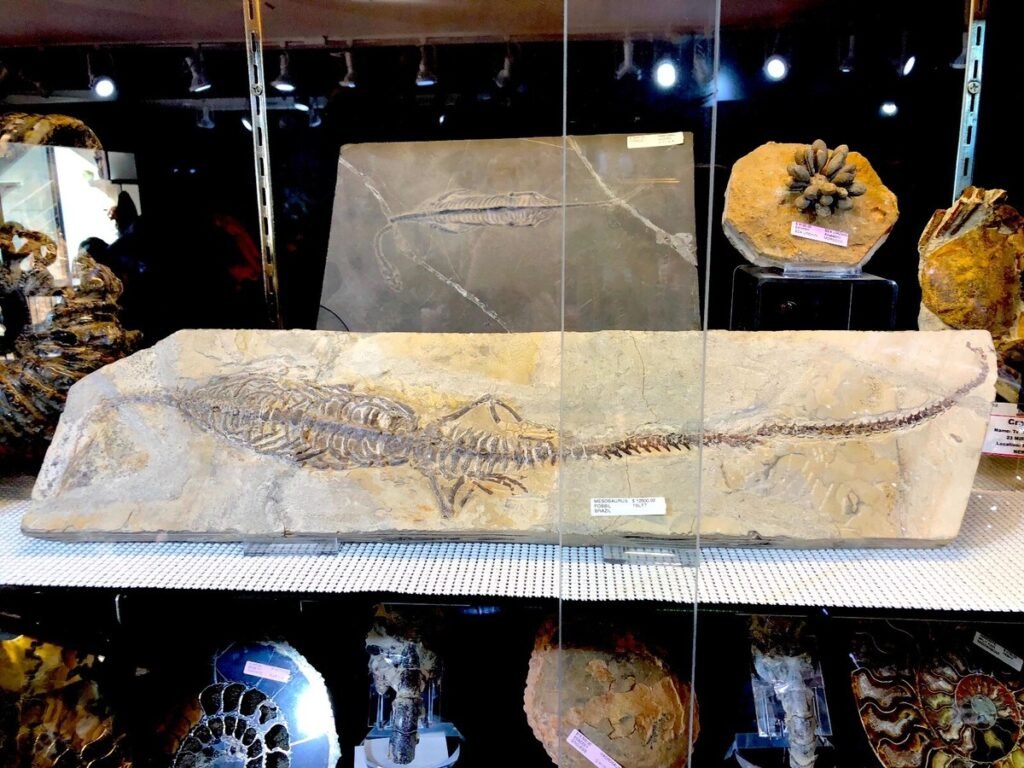
| Stand or easel | Flat plates, slabs, ammonites | Shows the face at an angle |
| Wall mount | Framed plates, large flat pieces | Saves surface space, dramatic |
| Custom cradle | Large tusks, bones, heavy specimens | Carries weight, supports safely |
Most collectors end up using more than one method as their collection grows. A mammoth tooth might sit on a stand, a collection of shark teeth in a riker box, and a mammoth tusk in a custom cradle. Match the method to the specimen, and the display does its job.
Products by Category
-
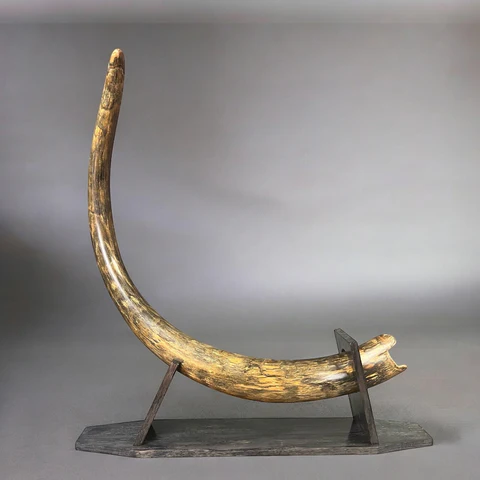
Fossilized Woolly Mammoth Tusk (Mammuthus primigenius, 64″)
-
Large Woolly Mammoth Tusk (Mammuthus primigenius, 9′ / 100 lbs)
-
Woolly Mammoth Ivory Tusk (Mammuthus primigenius, 23.5″)
-
Woolly Mammoth Tusk (Mammuthus primigenius, 18″)
-
Woolly Mammoth Tusk (Mammuthus primigenius, 32.5″)
-
Woolly Mammoth Tusk (Mammuthus primigenius, 69″)
-
Woolly Mammoth Tusk (Mammuthus primigenius, 7′ 6″)
-
Woolly Mammoth Tusk (Mammuthus primigenius, 8′ / 86 lbs)
-
Woolly Mammoth Tusk (Mammuthus primigenius, 8′ 2″)
Fossil display cases: choosing the right one
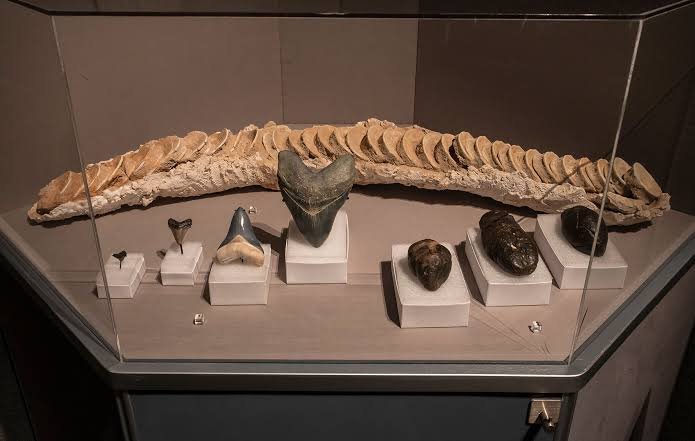
A fossil display case is the most versatile way to show a fossil, protecting it from dust and knocks while letting you view it from every angle. The right case depends on your fossil’s size, whether you want a base, and how you plan to light it.
Glass cases look premium and resist scratches; acrylic cases are lighter, cheaper, and shatter-resistant, which matters if you have children or pets. Look for a case with a solid base your fossil will not slide on and enough height and width to leave a little space around the specimen. A case with a removable lid or a hinged door makes it easy to get the fossil in and out. For a prized specimen, a case with a small internal light turns a fossil into a feature after dark. A fossil display case is worth the money for anything you care about, because it keeps the specimen clean and safe while showing it off.
For a large or unusually shaped fossil, a standard case may not fit, and that is where a custom cradle or wall mount comes in, covered further down.
Fossil display boxes and riker mounts
A fossil display box, often a riker mount, is the classic way to show small, flat fossils like shark teeth, small ammonites, and tooth collections. It is a shallow, glass-topped box with a cotton bed that holds specimens in place and lets you label them.
Riker boxes are inexpensive, protective, and stackable, which makes them ideal for a growing collection of small pieces. The cotton or foam bed cushions the fossils and holds them steady, and the glass or acrylic lid keeps out dust while letting you see everything at once. They are also easy to label, so a fossil display box doubles as a way to organize and catalogue a collection. If you collect small fossils like shark teeth or mammoth tooth fragments, riker boxes are the practical, affordable answer.
For a single special specimen, though, a box can feel flat. A stand or a case gives a standout fossil the attention it deserves.
Fossil stands and easels
A fossil stand or easel props a flat or three-dimensional fossil up at a viewing angle so you see its best face instead of looking down at it. Stands are the simplest, cheapest way to display a fossil with presence.
For flat fossils, ammonite slabs, fish plates, and fossil sections, a simple easel or plate stand tilts the specimen towards the viewer, the way a museum angles a framed piece. For three-dimensional fossils, a small cradle stand or a ring stand holds the specimen up and shows it in the round. Clear acrylic stands almost disappear, keeping the focus on the fossil, while wood or metal stands add their own character. A fossil stand is the fastest upgrade you can make to a display: lifting a fossil off a flat shelf and angling it towards the eye instantly makes it look intentional and important.
How to display a mammoth tusk
A mammoth tusk needs a custom cradle or wall mount built to carry its weight and support its curve, because it is far too large and heavy for a standard case or stand. This is the display challenge most fossil guides ignore, and it is where good mounting really matters.
A full mammoth tusk can be well over a meter long and weigh many kilograms, with a long, curving shape that puts stress on any support. The safe options are a custom cradle that follows the curve and cradles the tusk along its length, or a wall mount with brackets rated for the weight and placed to support the tusk at balance points. Never rest a heavy tusk on a single point or let it overhang unsupported, since that stresses the fossil and risks a crack or a fall. A well-made cradle in wood or metal, or a pair of solid wall brackets, turns a mammoth tusk into the centerpiece it deserves to be. If you own or are considering a tusk, our woolly mammoth tusk collection and our complete woolly mammoth guide cover the specimens themselves in detail.
Mammoth tusk cradles and stands explained
A mammoth tusk cradle is a shaped support that holds the tusk along its natural curve, and it is the safest way to display one. Understanding the options helps you choose or commission the right one.
The classic solution is a two-point cradle: two shaped supports, often padded wood or metal, positioned so the tusk rests at its balance points with the curve arcing between and above them. This shows the full sweep of the tusk and carries the weight without stressing any one spot. A full-length cradle follows the whole underside of the tusk, which suits a cracked or fragile specimen that needs support along its length. For a wall display, a bracket mount uses two or more brackets rated well above the tusk’s weight, fixed into a solid structure, cradling the tusk against the wall. Whichever you choose, the padding where the cradle meets the ivory should be soft and inert, and the tusk should never be forced against its natural curve. A good cradle makes a mammoth tusk look like the museum centrepiece it is and keeps it safe for the next generation. Our woolly mammoth tusk collection shows the kinds of specimens these mounts are built for.
How to mount a heavy fossil safely
You mount a heavy fossil by spreading its weight across a support that follows its shape, fixing into something solid, and never relying on a single stress point. Safe mounting protects both the fossil and whatever is underneath it.
For a heavy freestanding fossil, use a base or cradle wide enough that the specimen cannot tip, and pad the contact points so hard bone or stone does not sit on a hard mount. For a wall-mounted fossil, fix brackets into studs or masonry, never just plasterboard, and rate the fixing well above the fossil’s actual weight. Support a specimen at its natural balance points, and let a cradle follow its curve rather than forcing it flat. If a fossil is cracked or fragile, support the weak area rather than leaving it to bear load. Take your time here: the few minutes spent mounting a heavy fossil properly are what stand between a museum-quality display and a cracked specimen on the floor.
Display materials: acrylic, glass, wood, and metal
The material of your display case or stand affects how the fossil looks, how safe it is, and how much you pay. The four common choices, acrylic, glass, wood, and metal, each have a clear best use.
Acrylic is light, shatter-resistant, and almost invisible, which keeps the focus on the fossil and makes it the safest choice around children and pets. It scratches more easily than glass, so it suits cases and stands you will not handle roughly. Glass looks premium and resists scratches, ideal for a permanent case for a prized specimen, though it is heavier and can shatter. Wood brings warmth and character, perfect for a cradle, a plaque base, or a cabinet, and it suits large specimens like tusks and skulls; choose stable, finished wood so it does not off-gas onto the fossil. Metal stands, usually steel or brass, are strong and minimal, good for heavy pieces and modern rooms.
Here is the quick guide:
| Material | Best for | Watch out for |
|---|---|---|
| Acrylic | Cases and stands, homes with kids/pets | Scratches over time |
| Glass | Premium permanent cases | Heavy, can shatter |
| Wood | Cradles, bases, cabinets, large fossils | Use stable, finished wood. |
| Metal | Heavy specimens, modern look | Pad contact points |
Whatever the material, the contact points that touch the fossil should be padded and inert, so the mount holds the specimen without marking or stressing it.
Fossil display ideas for your home
Fossils suit almost any interior, from a clean modern shelf to a warm study or a cabinet of curiosities, and the display method sets the mood as much as the fossil does. Here are ideas that work.
A single dramatic fossil on a stand, lit from the side, reads as sculpture in a modern room. A group of small fossils in a riker box or a glass-fronted cabinet creates a collector’s display with real character. A large mammoth tusk on a cradle becomes a centerpiece over a mantel or console. Fossils also pair beautifully with other natural-history pieces: a mammoth tooth beside a piece of tusk, a skull nearby, and a few minerals for contrast. For a themed display, our mammoth skull guide shows how the tusks, teeth, and skull tell one story together. Whatever the room, keep fossils out of direct sun and away from damp, and give a standout specimen space to breathe rather than crowding it.
How to display fossils by type
Different fossils call for different displays, and matching the two is the difference between a specimen that shines and one that hides its best feature. Here is the right display for the fossils you are most likely to own.
Mammoth teeth display best upright on a stand or in an open case, where the ridged grinding surface faces the viewer. The washboard of enamel ridges is the star, so angle it forward. Mammoth tusks and tusk sections need a cradle or wall mount that follows the curve, as covered above. Shark teeth and small teeth suit a riker box or a small case, grouped and labelled. Ammonites and flat plates want a stand or easel that tilts the face towards you. Bones and skulls need a stable base or cradle sized to their weight, shown at eye level or slightly below. Amber and small specimens look best in a small case or on a tiny stand where light can pass through them.
Here is the quick match:
| Fossil | Best display |
|---|---|
| Mammoth tooth | Upright stand or open case, ridges forward |
| Mammoth tusk | Custom cradle or wall mount |
| Shark teeth | Riker box, grouped and labelled |
| Ammonite / plate | Easel or plate stand, angled |
| Skull or bone | Stable base or cradle at eye level |
| Amber | Small case or stand with light behind |
The rule underneath all of this is simple: show the fossil’s most interesting feature to the viewer, and support its weight where it needs support.
DIY vs. bought fossil displays
You can buy a ready-made fossil display or make your own, and the right choice depends on the fossil and your budget. Bought displays are quick and polished; DIY displays are cheaper and custom-fit.
Ready-made cases, riker boxes, and stands are inexpensive for small and medium fossils, and they look clean straight away, so for most specimens buying is the easy, sensible route. DIY comes into its own for large or oddly shaped fossils, where no standard mount fits. A custom wooden cradle for a mammoth tusk, a padded base cut to a skull’s shape, or a simple acrylic stand bent to hold a specific fossil can all be made at home for less than a custom commission. If you do go DIY, use materials that will not harm the fossil: acid-free padding, stable woods or metals, and soft contact points so the hard mount never presses on the hard specimen. For a prized or heavy fossil, though, a professionally made cradle is worth the cost for the security it gives.
Lighting your fossil display
Good lighting can transform a fossil display, picking out texture and color that flat, overhead light flattens. The trick is to light from an angle, keep it cool, and avoid direct sun.
Side lighting rakes across a fossil’s surface and brings out the ridges of a mammoth tooth, the whorls of an ammonite, or the grain of a tusk. A small LED spot or an in-case light does this well, and LEDs run cool, which matters because heat and strong ultraviolet light can dry and fade old material over time. Never rely on direct sunlight from a window: it fades and stresses fossils, and it moves through the day. A fixed, cool, angled light gives a consistent, museum-style result and keeps the specimen safe.
Protecting fossils on display
A fossil on display needs protection from four things: dust, sunlight, damp, and knocks. Guard against those, and a fossil lasts indefinitely; ignore them, and even a sturdy specimen degrades.
Dust settles into texture and dulls a fossil, so a closed case or a regular gentle dusting keeps it crisp. Direct sunlight fades color and can stress old material, so display fossils away from strong, direct light. Damp and big swings in humidity are hard on porous fossils, so avoid bathrooms, unheated garages, and spots near radiators. And knocks are the fastest way to lose a specimen, so give fragile fossils a case or a stable stand away from foot traffic and curious pets. Our guide on displaying taxidermy covers many of the same principles for natural-history pieces in general.
What museums do that you can copy?
Museums display fossils better than almost anyone, and their techniques are simple to borrow at home. The core ideas are angled lighting, custom supports, controlled environment, and clear labeling.
Museums light fossils from the side to bring out texture, mount each specimen on a support cut to its exact shape, and keep galleries cool, dim, and stable to protect old material. They give important pieces space and a clean background so nothing competes with the specimen. And they label everything, which turns a display into a story. You can copy all of this: a small angled LED, a padded custom stand, a spot out of direct sun, a plain background, and a neat label card. None of it is expensive, and together it lifts a home display close to museum standard. The one thing museums have that you may not is climate control, which matters less at home as long as you avoid damp, direct sun, and heat.
Common fossil display mistakes to avoid
Most fossil display problems come from a short list of avoidable mistakes. Steer clear of these, and your specimens stay safe and look their best.
- Direct sunlight. The most common error. Sun fades color and stresses old material. Keep fossils out of direct window light.
- Resting heavy fossils on a single point. A tusk or bone balanced on one spot risks cracking. Support the weight along its length.
- Hard mount on hard fossil. Bare metal or wood pressing on bone or stone can chip it. Pad every contact point.
- Overcrowding. Cramming specimens together loses the standout pieces. Give hero fossils space.
- Damp or fluctuating humidity. Bathrooms, garages, and radiator-side shelves stress porous fossils. Choose a stable, dry spot.
- Weak wall fixings. Mounting a heavy fossil on plasterboard alone invites a fall. Fix into studs or masonry.
- Cheap glue or tape on the fossil. Never stick adhesive directly to a specimen. Use cradles and stands that hold without bonding.
Avoid these seven, and you have solved ninety percent of what goes wrong with fossil displays.
Displaying a fossil collection
A fossil collection looks best when it is organized by a theme, given room to breathe, and shown at a consistent height and style. A thoughtful arrangement turns a pile of specimens into a display with a story.
Group by type (all teeth together, all ammonites together), by age, or by origin, so the eye can make sense of the collection. Use consistent stands or a single cabinet to give the display unity rather than a jumble of mismatched holders. Leave space around standout pieces so they are not lost in the crowd. Label specimens if you enjoy the cataloguing side, which also adds interest for visitors. And build the display around one or two hero pieces, a large mammoth tooth or a tusk section, with smaller specimens supporting them. A collection displayed with care reads as a curated cabinet of curiosities rather than a shelf of odds and ends.
What should a fossil display cost?
A fossil display can cost very little or a fair amount, depending on the specimen and the method, and the sensible rule is to spend in proportion to the fossil. A small stand or riker box is inexpensive; a custom cradle for a valuable tusk is worth more.
For small and medium fossils, a stand, riker box, or acrylic case is a modest outlay, and there is no need to spend more, since the display just needs to protect and present the piece. For a prized specimen, a quality glass case with lighting is worth the extra, because it protects a fossil you care about and shows it at its best. For a large, valuable fossil like a mammoth tusk, a properly made custom cradle or a rated wall mount is the one place not to cut corners: the cost of the mount is small next to the value of the specimen and the damage a failure would cause. As a rule, match the spend to the fossil. A cheap stand is fine for a common piece; a treasured specimen deserves a display that protects it properly. Our mammoth tusk value guide helps you judge what a specimen is worth and therefore what its display deserves.
Where to buy fossils worth displaying
Buy display-worthy fossils from a specialist who documents each specimen and sells genuine, legal material, so your display is built on real pieces with real stories. The fossil matters more than the mount.
The most striking fossils to display are the ones with instant presence: a large mammoth tooth with its ridged grinding surface, a section of genuine mammoth tusk, or a mammoth skull. These are real Ice Age specimens, legal to own because the mammoth is extinct, and dramatic enough to anchor any display. Browse our woolly mammoth tooth collection and woolly mammoth tusk collection for documented specimens, each shipped worldwide in secure, insured packaging. To understand what makes a specimen valuable before you buy, see our mammoth tusk value guide.
Frequently asked questions
What is the best way to display a fossil?
Match the display to the fossil. Small flat fossils suit a display case or riker box, three-dimensional specimens suit a stand, and large heavy fossils like mammoth tusks need a custom cradle or wall mount. Protect every fossil from dust, sun, dampness, and knocks.
What kind of case should I use for a fossil?
Use a glass or acrylic display case sized to leave a little space around the specimen, with a solid non-slip base. Acrylic is lighter and shatter-resistant; glass looks premium. For small flat fossils, a riker display box is a cheaper, protective option.
How do you display a mammoth tusk?
A mammoth tusk is too heavy for a standard stand, so use a custom cradle that follows its curve or a wall mount with brackets rated well above the tusk’s weight. Support it at balance points and never leave it overhanging or resting on a single spot.
How do you mount a heavy fossil without damaging it?
Spread the weight across a cradle or base that follows the fossil’s shape, pad the contact points, and fix wall mounts into studs or masonry rather than plasterboard. Support fragile or cracked areas and rate any fixing well above the actual weight.
How do I protect fossils on display?
Keep them out of direct sunlight, away from dampness and radiators, and free of dust with a closed case or gentle regular cleaning. Give fragile specimens a stable stand or case away from foot traffic and pets. Cool, angled LED lighting shows them off without heat damage.
What fossils look best on display?
Fossils with instant presence display best: a large mammoth tooth with its ridged surface, a section of mammoth tusk, or a skull. They are dramatic, genuine, and legal to own because the mammoth is extinct.
Build a display worthy of your fossils.
The right display protects your fossil and shows its best side, whether that is a shark tooth in a riker box, an ammonite on a stand, or a mammoth tusk in a custom cradle. Match the method to the specimen, guard against dust, sun, dampness, and knocks, and light it from an angle, and any fossil becomes a display piece.
Ready to add a showpiece fossil to your collection? Browse our documented woolly mammoth tooth and woolly mammoth tusk collections, genuine Ice Age specimens, legal to own and shipped worldwide in secure, insured packaging. To learn more first, read our complete woolly mammoth guide and our mammoth skull guide. Questions about displaying a specimen? Message us on WhatsApp; we are happy to help.