The Collector’s Guide to Taxidermy and Natural History Specimens
Collecting taxidermy and natural history specimens means building a curated set of preserved animals, bones, fossils, tusks, and curiosities for study, display, or design. You can start with a single fossil or a mounted bird and grow toward a full cabinet of curiosities or a room of museum-grade pieces. This guide covers every main type of natural history specimen, how to source them ethically, what drives their value, how to care for them, and the laws you need to know. Every specimen we sell ships worldwide in 3 to 5 days, with large pieces sent as insured freight.
What counts as a natural history specimen?
A natural history specimen is any preserved piece of the natural world kept for study or display. Collectors usually work across several overlapping types.
- Taxidermy. Preserved and mounted animals, from birds to big game. Taxidermy (the craft of preparing and mounting animal skins for lifelike display) is the most recognizable category.
- Osteological specimens. Cleaned skulls and skeletons, human and animal. Osteology (the study of bones) sits at the heart of any serious collection.
- Fossils and prehistoric specimens. Ammonites, teeth, and museum-grade replicas or real fossils of extinct animals.
- Ivory and tusks. Fossil mammoth tusks, the only legal ivory in most of the world.
- Marine specimens. Antique turtle shells, seashells, and other sea life.
- Oddities and curiosities. Constructed pieces like the Fiji mermaid and other conversation starters.
Within taxidermy alone there are several forms worth knowing: full mounts, which show the whole animal; shoulder mounts, the classic head-and-neck wall trophy; European mounts, meaning the clean skull and horns; dioramas, which set animals in a naturalistic cased scene; and hides and rugs. Knowing the formats helps you choose what suits your space. Browse everything in the full shop, or jump to a category below.
A short history of natural history collecting
Collecting the natural world is an old and honorable habit. The tradition goes back to the wunderkammer, the wonder rooms of Renaissance Europe, where scholars and rulers gathered specimens, fossils, and marvels into a single space. These cabinets of curiosities were the ancestors of the modern museum, and many great institutions grew directly from private collections.
The Victorian era turned collecting into a passion for the many, not just the wealthy. Firms like Rowland Ward produced cased birds and naturalistic dioramas that are prized antiques today. When you build a collection now, you continue a line that runs from those wonder rooms to the present. That history is part of the pleasure, and you can read more in our cabinet of curiosities guide.
Who collects natural history specimens?
The people behind this hobby are more varied than you might expect, and knowing the company you keep is reassuring. Educators and medical schools buy skulls and skeletons to teach anatomy. Artists and designers work from real form and use specimens as centerpieces. Interior designers place a giraffe mount or an antique shell to anchor a room. Researchers and museums build reference collections. And private collectors, from first-time buyers to seasoned curators, gather pieces for the science, history, and sheer wonder of them.
Whatever the motivation, the responsible thread is the same: a love of the natural world, honest sourcing, and respect for the specimens themselves. You are joining a tradition that stretches back centuries and includes some of the most curious and knowledgeable people you will meet.
How to start collecting taxidermy and natural history specimens
You do not need a big budget to begin. Follow four simple steps.
- Pick a focus. Choose a theme you love, such as birds, skulls, fossils, big game or marine specimens. A focus makes a collection feel intentional rather than random.
- Set a budget. Entry pieces like a fossil tooth or a small mount cost far less than a full-body specimen or a big-game mount. Buy the best example you can afford in your chosen area.
- Check sourcing and law. Confirm each piece is ethically sourced and legal to own where you live. More on this below.
- Plan your display. Decide where the piece will live before you buy it, so you protect it from sunlight, dampness, and heavy handling.
The best collections are built slowly. One strong, well-chosen specimen does more for a room than a shelf of lesser pieces.
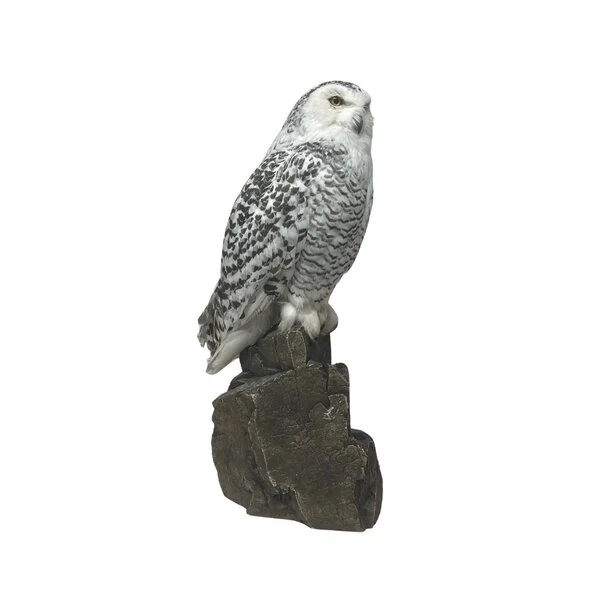
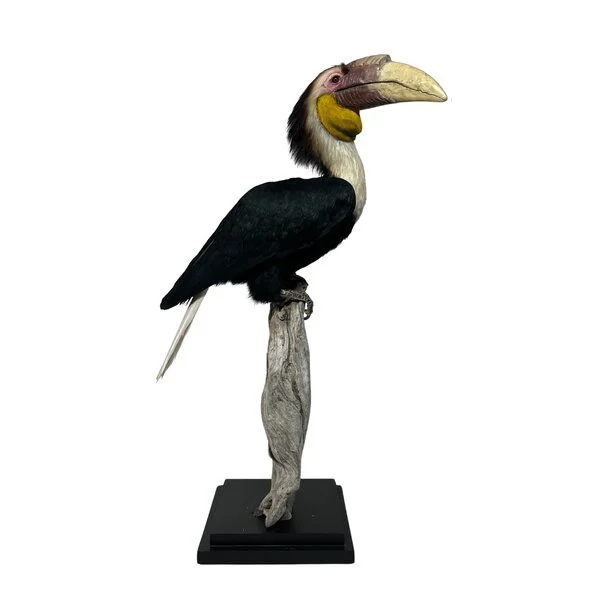
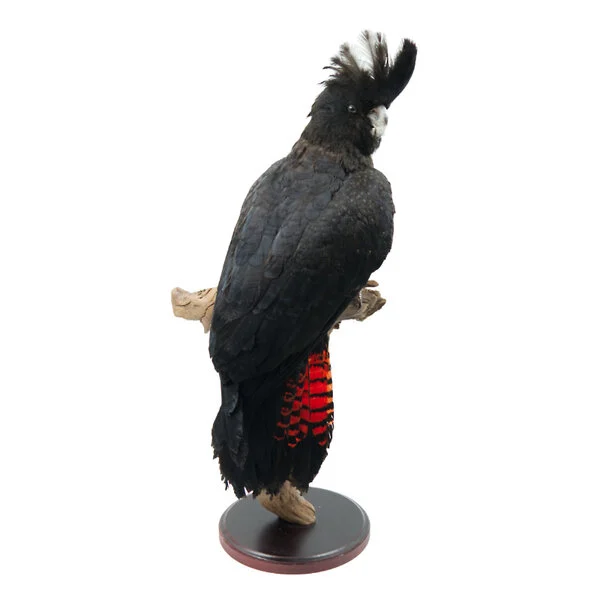
Taxidermy birds
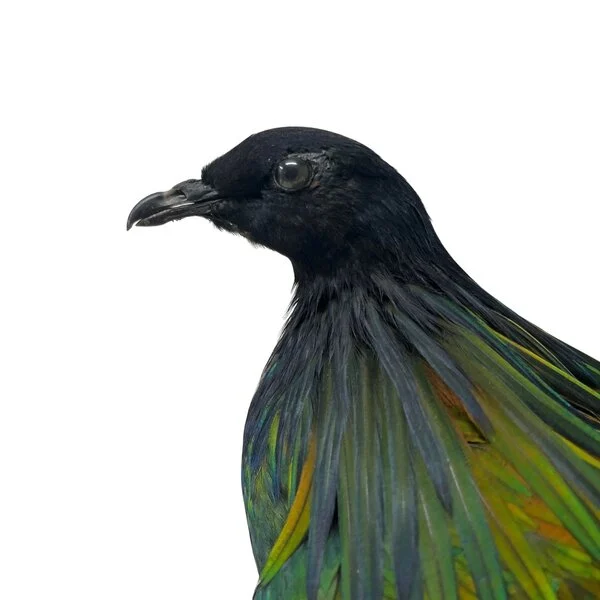
Mounted birds are a classic entry into the hobby, prized for color and rarity. Collectors look for vivid species and unusual forms: a mounted Toco toucan, a jewel-like Nicobar pigeon, or the many forms of peacock, from the classic Indian blue to rare pied and white leucistic birds. At the very top sit fine-art bird mounts and protected species like the Hyacinth macaw, which require documentation. Browse the taxidermy birds for sale.
Birds suit height and light. A single dramatic bird under glass or on a high shelf becomes a focal point, while a Victorian cased collection of many birds is a ready-made cabinet in one piece.
Taxidermy mammals and trophies
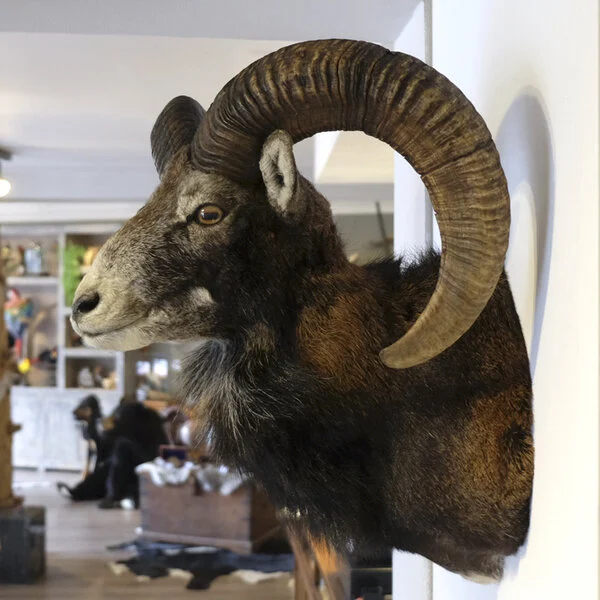
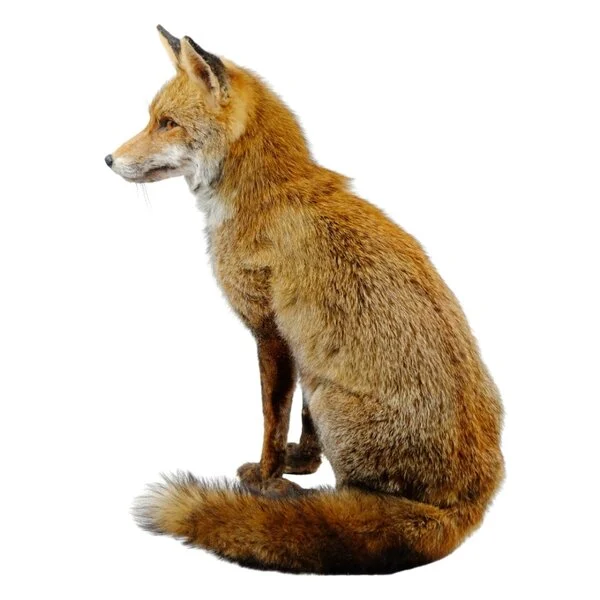
On the mammal side, you will find everything from small full mounts to classic wall trophies. A sitting red fox, a fallow deer trophy, or a mouflon suits homes, studies, and lodges. See the taxidermy mammals and trophies. Well-prepared, well-cared-for taxidermy holds its value over time.
Mammal taxidermy comes in the same formats as the wider craft: full mounts for presence, shoulder mounts for the wall, and European skull-and-horn mounts for a cleaner, more modern look. Choose the format to match both the animal and your space.
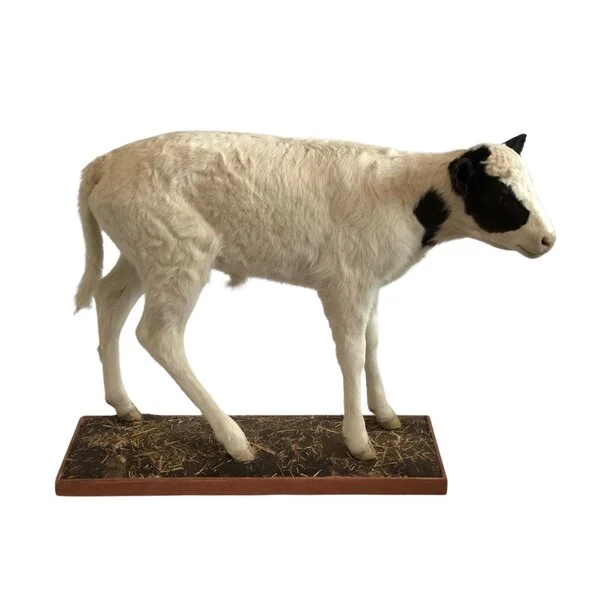
Big-game and safari mounts
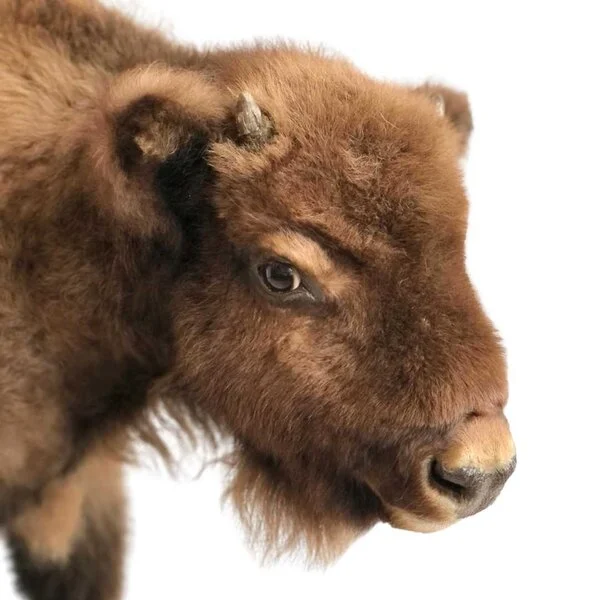
Big-game taxidermy is the most dramatic category a collector can own. These are the large African and international species, presented as shoulder mounts, full mounts, or hides. Think of an African giraffe shoulder mount towering in a double-height room, a boldly striped zebra, a Cape buffalo with its heavy horn boss, or the elegant spiral horns of a greater kudu and a sable antelope.
Safari mounts anchor a room like nothing else, which is why they suit lodges, galleries, grand interiors, and statement design. They also demand space and, in many cases, documentation, since several big-game species are protected. The giraffe, for example, is now listed under CITES. Always confirm the paperwork and import rules before buying a big-game mount, especially across borders. Browse safari and big-game pieces within the taxidermy mammals collection.
Fine-art and antique taxidermy
Two kinds of taxidermy sit at the top of the market: fine-art pieces and genuine antiques. Both command a premium, and both are worth understanding.
Fine-art taxidermy treats the mount as sculpture. Contemporary studios such as Sinke & Van Tongeren produce museum-grade works that feature in major collections, where the craft, pose, and presentation matter as much as the animal. These are collector and gallery pieces, priced accordingly.
Antique taxidermy carries history and provenance. A Victorian cased diorama by Rowland Ward, or an Edwardian pet mount, involves no modern animal and tells a story that new work cannot. Because the animal died long ago, antique taxidermy is also one of the most ethical ways to collect. When you buy fine art or antique pieces, you are buying craft, name, and history as much as the specimen itself.
Fossils and prehistoric specimens
Fossils are among the most accessible natural history specimens and some of the oldest objects you can own. A polished ammonite reveals a spiral millions of years old, while a large megalodon tooth comes from the biggest shark that ever lived. At the high end, a genuine fossilized mosasaur skull captures a giant Cretaceous sea reptile in real bone. For showpieces on a budget, museum-grade replicas of a Daspletosaurus or Mosasaurus deliver the drama without the cost of a real fossil. Explore the fossils for sale and read our prehistoric replica skulls guide.
Ivory, tusks and Ice Age fossils
One category deserves its own place: fossil ivory. A woolly mammoth tusk is a genuine Ice Age fossil, tens of thousands of years old, and because the mammoth is extinct, it is the only ivory that is legal in most of the world. Tusks range from small accent pieces to monumental specimens over eight feet, and the rarest carry a deep blue patina from the mineral vivianite.
Ice Age fossils extend beyond tusks to woolly rhino skulls, cave bear skulls, and mammoth teeth. These are serious acquisitions with real provenance. Because ivory law varies by region, always confirm where a tusk can ship before you buy. Browse the woolly mammoth tusk collection and read the full woolly mammoth tusk guide.
Marine specimens and antique turtle shells
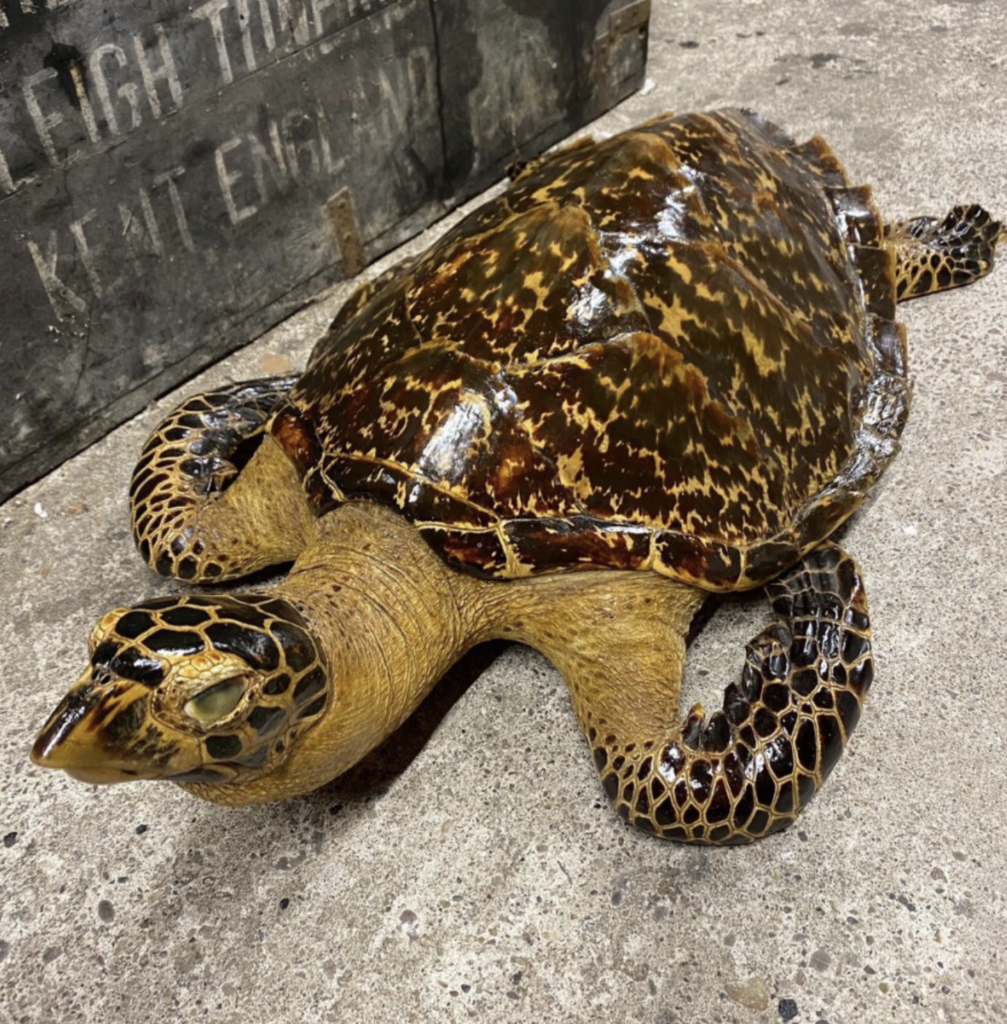
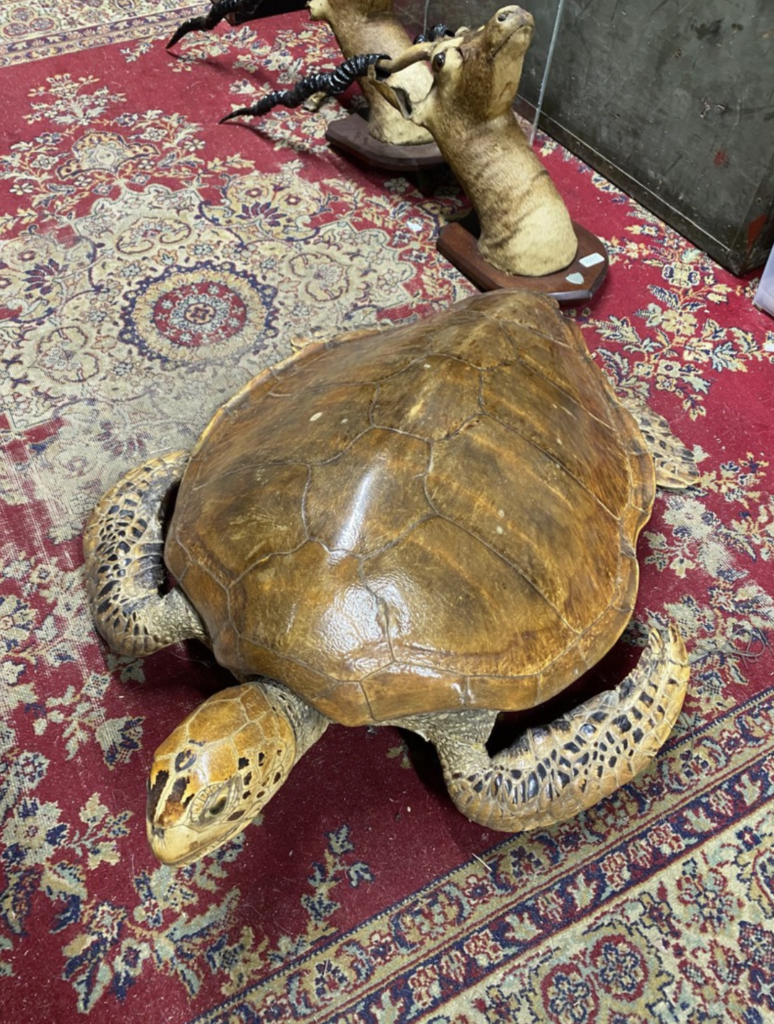
Antique turtle shells are prized for their patina and sculptural form, and a blonde carapace makes a striking wall piece. Because sea turtles are strictly protected, only genuine antique specimens with proper provenance should ever change hands. The category also includes larger marine taxidermy and aquatic reptiles. Browse the marine taxidermy, and read the legality section below before you buy.
Osteological specimens: skulls and skeletons
Skulls and skeletons are the backbone of natural history collecting. You can collect real ex-medical human specimens, animal skulls, or accurate replicas. Start with our guides on buying your first human skull, how to buy a real human skeleton, and the history of the medical bone trade. For animal osteology, from giraffe to cat skulls, see the mammal skulls collection.
What drives the value of a specimen?
Understanding value helps you buy well and avoid overpaying. Six factors do most of the work across every category.
- Size and presence. Larger, more dramatic pieces command more. A monumental tusk or a giraffe mount sits at the top.
- Rarity. Scarce species, unusual color forms, and hard-to-find fossils are worth more.
- Maker and provenance. A fine-art piece by a named studio, or an antique by a firm like Rowland Ward, carries a premium. Documented origin adds value everywhere.
- Condition. Clean, sound, complete specimens beat damaged or heavily restored ones.
- Patina and color. For fossils and ivory, color matters. A blue-patina mammoth tusk is worth far more than a common gold one.
- Preparation and mount. Skilled preparation and a quality custom mount raise both value and display appeal.
When you compare two similar pieces, weigh these factors rather than price alone. The cheapest option is rarely the best value, and a suspiciously low price often signals hidden damage or poor provenance.
Real vs replica, and ethical sourcing
Two questions shape almost every purchase.
Real or replica? Real specimens show authentic bone, natural variation, and genuine character. Replicas, cast from real specimens, cost less, ship freely, and avoid legal complications. Our real vs replica guide breaks down how to tell them apart. For endangered species, a replica is often the responsible choice.
Is it ethically sourced? Ethically sourced specimens have a documented, lawful origin and were never grave-robbed, looted, or taken from protected species without permits. Antique and fossil pieces have the clearest footing, since no modern animal is involved. Learn the full picture in our guide on whether taxidermy is ethical and on ethically sourced human bones.
How to care for and display your collection
Good care protects both value and specimen. A few rules apply across taxidermy, bone, shell and ivory.
- Keep pieces out of direct sunlight, which fades color and yellows bone.
- Avoid dampness and big temperature swings, which cause cracking and mold.
- Dust gently with a soft, dry brush, and support the fragile parts when moving anything.
- Watch for pests such as moths and beetles, which damage fur and feathers.
- Use display cases for delicate mounts, fine skulls, and constructed curiosities.
For the full routine, read our guide to caring for taxidermy. When it comes to showing your collection, our guide to displaying taxidermy covers styling, lighting, and placement room by room.
Legality and provenance: what every collector must know
The law is about origin, not the specimen itself. Keep these in mind.
- Protected species. Sea turtles; many exotic birds, such as the Hyacinth macaw; and big game, like giraffes, are covered by CITES, the treaty controlling trade in endangered species. Only antique, captive-bred or documented specimens may be traded, and only where local law allows.
- Ivory. Mammoth ivory is legal in most places because the animal is extinct, but several US states and some countries restrict it. Elephant ivory is banned almost everywhere.
- Human remains. Legal to own in most places, with exceptions. See is it legal to own a human skull.
- Provenance. Buy documented, ethically sourced specimens. Cheap and undocumented usually means trouble.
Always confirm the rules in your own country before buying, especially for international shipping. A reputable seller confirms eligibility and documents origin before every sale.
Category quick reference
| Category | Example specimens | Starts around | Best for |
|---|---|---|---|
| Taxidermy birds | Toucan, peacock, macaw | €1,150 | Colour and display |
| Taxidermy mammals | Fox, deer trophy, mouflon | €995 | Homes, lodges |
| Big game and safari | Giraffe, zebra, kudu, buffalo | €3,700 | Statement interiors |
| Fine art and antique | Named studios, Victorian pieces | €5,000 | Serious collectors |
| Marine and turtle | Antique turtle shells, Fiji mermaid | €1,475 | Sculptural display |
| Fossils | Ammonite, megalodon tooth, replicas | €849 | Science and history |
| Ivory and tusks | Mammoth tusks, Ice Age skulls | €2,300 | Rare centrepieces |
| Osteology | Human and animal skulls, skeletons | €1,200 | Study and collecting |
Where to buy natural history specimens safely
Buy from a specialist who curates and documents their pieces, not from anonymous listings. A dedicated natural history dealer prices specimens on their real merits, explains provenance, confirms legality, and packs and ships securely. That transparency is what protects you from overpaying, from hidden damage, and from legal risk.
Be wary of pressure to buy sight unseen and of prices that look too good for the piece described. A reputable seller welcomes questions, provides clear photographs of the whole specimen, and is open about sourcing, restoration, and any documentation. Major marketplaces have banned much of this material, which is exactly why buying from a trusted specialist matters. Build a relationship with a dealer you trust, since the best pieces often reach returning collectors first. At The Bones Vault, every category is curated with that kind of collector in mind, and every specimen is documented and shipped worldwide in 3 to 5 days.
A collector’s roadmap: from first piece to full cabinet
If you are not sure where to begin, this simple path helps a collection grow with intent.
Start (your first pieces). Begin with accessible, characterful specimens: a fossil tooth, a polished ammonite, a single animal skull, or a small bird. These teach you what you love and cost little.
Build (a themed collection). Once you know your focus, add pieces that speak to each other. Group by animal, era, place, or color. A theme turns a set of objects into a real collection and makes each new piece feel considered.
Elevate (centerpieces and rarities). As your eye and budget grow, add the pieces that anchor a room: a big-game mount, a fine-art bird, a monumental mammoth tusk, or a genuine fossil skull. These are the specimens people remember.
Curate (the cabinet). Finally, bring it together. Arrange your collection with light, height, and space; edit out what no longer fits; and keep records of what each piece is and where it came from. That documentation protects value and adds to the story.
You can move through these stages over months or years. The pleasure is in the journey as much as the pieces.
Frequently asked questions
How do I start collecting taxidermy?
Pick a focus you love, set a budget, confirm each piece is ethically sourced and legal where you live, and plan your display before you buy. Start with one strong specimen rather than many cheap ones.
Are natural history specimens a good investment?
Well-sourced, well-kept specimens tend to hold value, especially rare taxidermy, fine art and antique pieces, fossil ivory, and quality fossils. Maker, provenance, and condition matter most.
Is it legal to collect taxidermy and natural history specimens?
Usually yes, but protected species under CITES, ivory, and human remains have specific rules. Buy documented, ethically sourced pieces and confirm your local law before buying, especially internationally.
What is the difference between real and replica specimens?
Real specimens are authentic bone, shell, ivory, or preserved animals. Replicas are accurate casts that cost less, ship freely, and sidestep legal issues, ideal for display and for endangered species.
What is the most ethical taxidermy to buy?
Antique and vintage pieces, and fossils, are the clearest ethical choices, since no modern animal is involved. For modern taxidermy, choose specimens from natural deaths, culls, or the food chain, documented by the seller.
How much does it cost to start a collection?
You can start for the price of a small fossil or skull, often under a few hundred euros. Big-game mounts, fine-art pieces, and fossil tusks run into the thousands and beyond.
How fast do you ship?
We ship worldwide in 3 to 5 days, packed securely and discreetly, with large pieces sent as insured freight.
Start your collection
Whether you want a first fossil or a monumental centerpiece, everything is in one place. Explore the full range of taxidermy, big game, fossils, tusks, marine specimens and osteology, curated for collectors, educators, and designers. Worldwide shipping in 3 to 5 days. Contact us today.