Blog

collecting taxidermy
Blog

Collecting taxidermy: natural history guide 

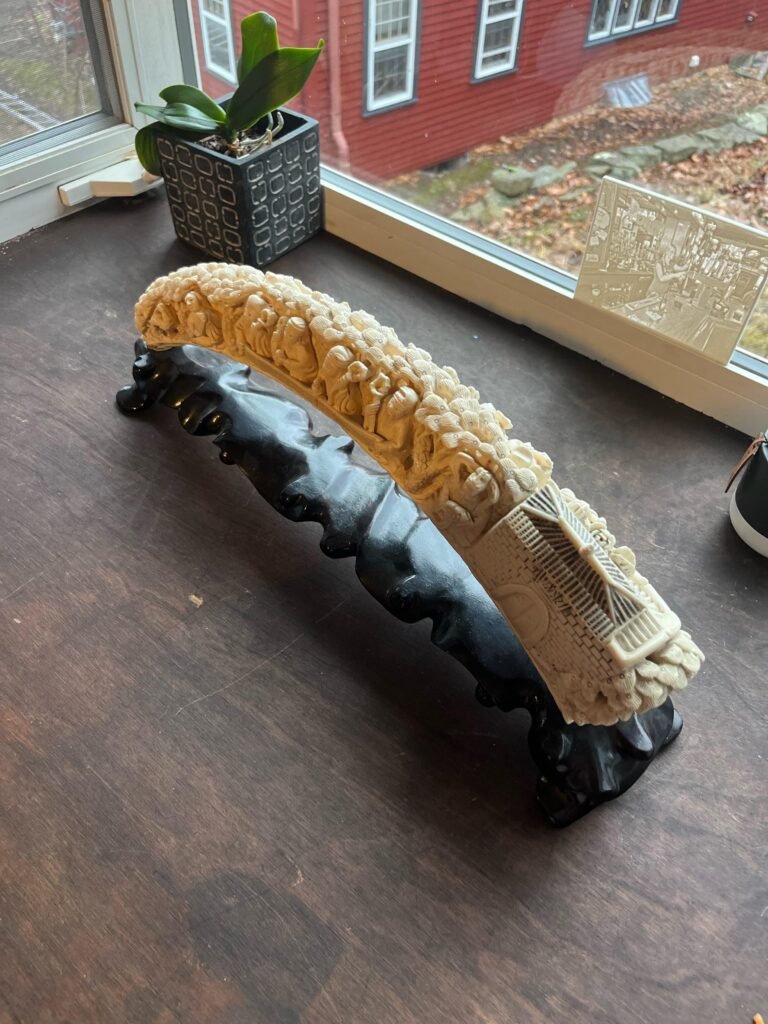
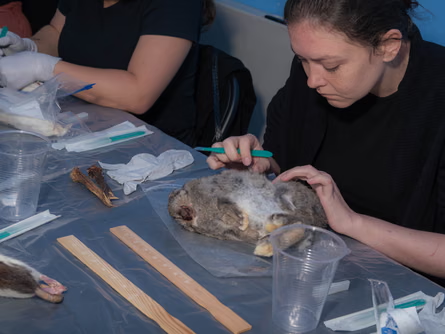
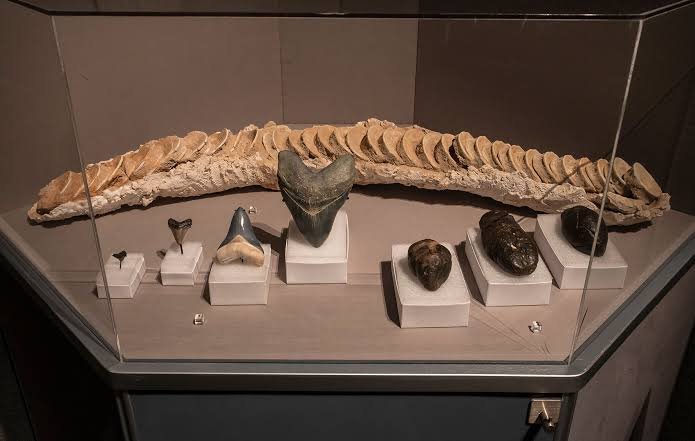
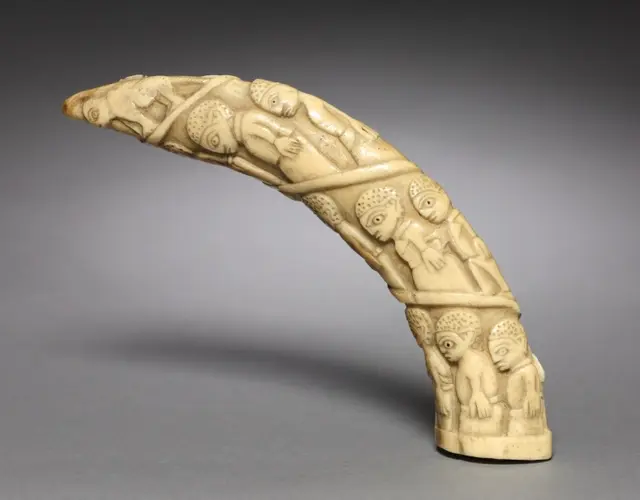
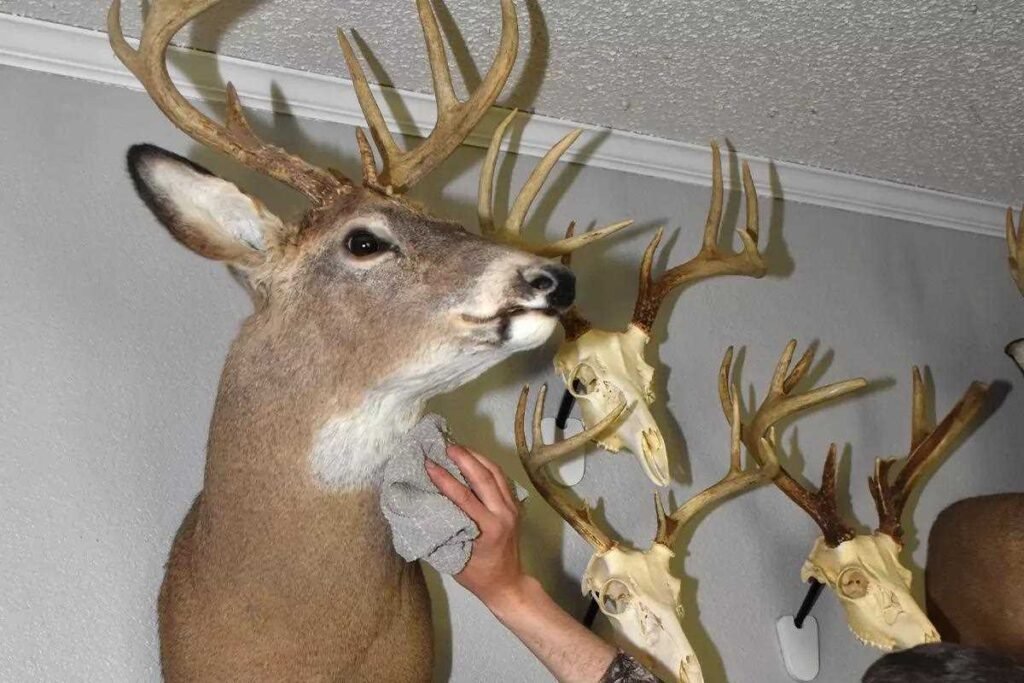
The Collector’s Guide to Taxidermy and Natural History Specimens Collecting taxidermy and natural history specimens means building a curated set of preserved animals, bones, fossils, and curiosities for study, display, or design. You can start with a single fossil or a mounted bird and grow toward a full cabinet of curiosities. This guide covers the main types of natural history specimens, how to source them ethically, what to pay, how to care for them, and the laws you need to know. Every specimen we sell ships worldwide in 3 to 5 days. What counts as a natural history specimen? A natural history specimen is any preserved piece of the natural world kept for study or display. Collectors usually work across a few overlapping types: Browse everything in the full shop, or jump straight to a category below. How to start collecting taxidermy and natural history specimens You do not need a big budget to begin. Follow four simple steps. Taxidermy birds, mammals and trophies Mounted animals are the classic entry into the hobby. On the bird side, collectors look for color and rarity: a mounted Toco toucan, a white peacock, or a jewel-like Nicobar pigeon. Browse the taxidermy birds for sale. On the mammal side, you will find full mounts and classic wall trophies, from a sitting red fox to a fallow deer trophy or a mouflon. See the taxidermy mammals and trophies. Good taxidermy holds its value when it is well prepared and well cared for. Fossils and prehistoric specimens Fossils are among the most accessible natural history specimens and some of the oldest objects you can own. A polished ammonite reveals a spiral millions of years old, while a large megalodon tooth comes from the biggest shark that ever lived. For showpieces, museum-grade replicas of a Daspletosaurus or Mosasaurus deliver drama without the cost of a real fossil. Explore the fossils for sale and read our prehistoric replica skulls guide. Marine specimens and antique turtle shells Antique turtle shells are prized for their patina and sculptural form, and a blonde carapace makes a striking wall piece. Because sea turtles are strictly protected, only genuine antique specimens with proper provenance should ever change hands. Browse the marine taxidermy, and read the legality section below before you buy. Osteological specimens: skulls and skeletons Skulls and skeletons are the backbone of natural history collecting. You can collect real ex-medical human specimens, animal skulls, or accurate replicas. Start with our guides on buying your first human skull, how to buy a real human skeleton, and the history of the medical bone trade. For animal osteology, see the mammal skulls collection. Real vs replica, and ethical sourcing Two questions shape almost every purchase. Real or replica? Real specimens show authentic bone, natural variation, and genuine pathology. Replicas (natural history replicas cast from real specimens) cost less, ship freely, and avoid legal complications. Our real vs replica guide breaks down how to tell them apart. Is it ethically sourced? Ethically sourced specimens have a documented, lawful origin and were never grave-robbed, looted, or taken from protected species. Learn the signs in our guide to ethically sourced human bones. The same principle applies to taxidermy and marine pieces: buy from a seller who is transparent about origin. How to care for and display your collection Good care protects both value and specimen. A few rules apply across taxidermy, bone, and shell: Legality and provenance: what every collector must know The law is about origin, not the specimen itself. Keep these in mind: Always confirm the rules in your own country before buying, especially for international shipping. Category quick reference Category Example specimens Starts around Best for Taxidermy birds Toucan, peacock, snowy owl €1,150 Colour and display Taxidermy mammals Sitting fox, deer trophy, mouflon €995 Lodges, interiors Marine / turtle Antique turtle shells, Fiji mermaid €1,475 Sculptural display Fossils Ammonite, megalodon tooth, replicas €849 Science and history Osteology Human and animal skulls, skeletons €1,200 Study and collecting Frequently asked questions Start your collection Explore the full range of taxidermy, fossils, marine specimens and osteology, curated for collectors, educators, and designers. Worldwide shipping in 3 to 5 days.

Blog

Rhino skull guide

Rhino Skull: Species, Anatomy and Value (2026) A rhinoceros skull is heavy, elongated, and, surprisingly, hornless: the rhinoceros horn is made of keratin and leaves no bony core, so a real skull shows only a roughened boss where the horn once sat. That single fact catches most people out and makes the rhino skull a great teaching piece. Add the animal’s conservation story and its sheer prehistoric bulk, and a rhino skull becomes one of the most compelling specimens a natural-history collector can own. Why a rhino skull has no horn Unlike antlers or ossicones, a rhino’s horn is not bone. It is compacted keratin, the same protein as hair and nails, growing from a roughened area on the nasal bones. On a cleaned skull this shows as a raised, pitted platform rather than a horn, which is why authentic rhino skulls never include a bony horn. For background on the rhinoceros and its five living species, the differences in skull shape track closely with diet and habitat. Telling the species apart Skull shape varies by species. Grazing species such as the white rhino have a longer, broader skull suited to feeding at ground level, while browsing species such as the black or Javan rhino have a more compact skull and a prehensile lip structure. The Javan rhinoceros, one of the rarest large mammals on Earth, is a single-horned species whose skull is especially sought after by collectors. Real vs replica rhino skull Because every rhino species is protected and several are critically endangered, a replica is the responsible choice. A museum-grade cast lets you display the distinctive skull structure with no impact on wild populations and no CITES complications. It is also far more affordable than genuine material. Replica Javan Rhinoceros Skull: €1,100.00 A faithful cast of one of the world’s rarest mammals, ideal for display and teaching. View specimen → This piece belongs to our wider range of prehistoric and animal skulls, where conservation-friendly replicas let you build a serious collection responsibly. How much is a rhino skull worth? Genuine rhino skulls are heavily restricted because of the animal’s protected status, so replicas dominate the legitimate market. A quality replica Javan rhino skull starts around €1,100. Avoid any seller offering real rhino material with a horn attached, as that is a serious legal and ethical red flag. Frequently asked questions Collect responsibly. Browse conservation-friendly replica skulls and the wider natural-history range with secure worldwide shipping. Explore the collection → Contact The bones Vault for inquiries

Blog

 Cat skeleton guide 

Cat Skeleton and Skull: A Collector’s Guide 2026 A domestic cat skeleton has around 230 bones, roughly 24 more than a human, and the skull is a compact, rounded predator’s design with large eye sockets and specialized shearing teeth. That combination of familiarity and precision makes a cat skeleton one of the most rewarding small specimens to study or display: recognizable enough to engage anyone, yet a masterclass in mammalian anatomy up close. How many bones does a cat have? A cat has about 230 bones, though counts vary slightly by individual and by how the small tail and toe bones are tallied. The extra bones compared with a human come largely from the long, flexible tail and the highly mobile spine that lets cats twist, arch, and right themselves in mid-air. For broader context, the domestic cat is one of the most studied small mammals in comparative anatomy. What the cat skull reveals The skull tells you everything about how a cat lives: These features make the cat skull an excellent teaching object for anyone learning to read function from form. Real vs replica cat skeleton A real cat skeleton shows authentic bone texture, natural variation, and the true delicacy of the small bones, which is ideal for serious study and collection. A replica is a durable, lower-cost option for hands-on teaching. If you are weighing the two, our guide to spotting a real vs replica specimen covers the tells that apply to any species. Browse our Cat Skeleton collection: domestic cat skulls and articulated skeletons for study and display. View specimens → It sits within our wider range of prehistoric and animal skulls and comparative mammal specimens. Caring for a cat specimen The small bones of a cat skeleton are delicate, especially the tail, ribs, and the fine bones of the skull. Handle with clean, dry hands, support articulated mounts at the base, and keep the specimen out of direct sunlight and damp. A display case is worth it for a piece this fine. Frequently asked questions Study anatomy up close. Browse cat skeletons and the wider comparative mammal range with secure worldwide shipping. Explore the collection →

Blog

mammoth skull guide 

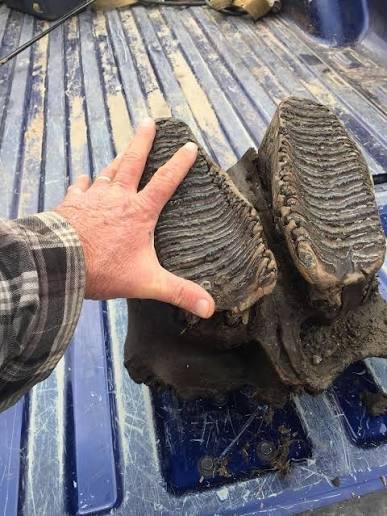
Mammoth Skull: Ice Age Facts and Value (2026) A mammoth skull is the centerpiece specimen of Ice Age collecting: a high, domed cranium built to anchor huge curving tusks and deep-rooted grinding molars. The woolly mammoth (Mammuthus primigenius) roamed Europe, Asia, and North America until roughly 4,000 years ago, and its skull is instantly recognizable for its tall forehead and the massive tusk sockets that dominate the front of the face. For collectors, a mammoth skull is the ultimate statement piece, and a replica delivers that drama without the cost or fragility of genuine fossil bone. Anatomy of a mammoth skull Several features make it unmistakable: Why choose a mammoth skull replica? Genuine mammoth skulls are rare, heavy, fragile, and expensive, and real tusk material can carry ivory-related restrictions. A museum-grade replica reproduces every detail at display scale, is durable enough to handle, and sidesteps those legal complications entirely. That is why casts are the practical choice for most collectors and educators. The same logic applies across our prehistoric replica skulls range. Replica Woolly Mammoth Skull with Tusks: €5,500.00 A statement ice age centerpiece, cast in museum-grade detail. View specimen → How much is a mammoth skull worth? Genuine mammoth skulls with tusks can reach five or six figures at auction, which is why so few change hands. A high-quality replica gives the same visual impact for a fraction of the price, starting around €5,500 for a full skull with tusks. Individual molars and tusk sections are more accessible entry points for new collectors. Displaying a mammoth skull Give it space: the tusks define the piece, so allow clearance and a solid base or plinth that can take the weight. Keep it out of direct sun and away from damp, and support the tusks when moving it, as they are the most vulnerable part of any mount. Frequently asked questions Own the ultimate Ice Age showpiece. Browse the mammoth and wider prehistoric range with secure worldwide shipping. Explore the collection →

Blog

Elephant skull guide

Elephant Skull: Anatomy, Facts and Value 2026 An elephant skull is enormous yet surprisingly light for its size, because the bone is riddled with honeycomb-like air cells that lend strength without unbearable weight. It is one of the most humbling specimens in natural history: a huge domed cranium, deep tusk sockets at the front, and massive ridged molars set far back in the jaw. For a collector who wants a true centerpiece, an elephant skull turns a room into a destination. Anatomy of an elephant skull Three features stand out: Asian vs African elephant skulls The two differ in profile. Asian elephant skulls tend to have a distinctive twin-domed forehead, while African elephant skulls are generally larger with a single, fuller dome. Tusk development also differs, being more consistent in African elephants of both sexes. Owning an elephant skull responsibly Because elephants are protected and ivory is tightly controlled, provenance and legality matter. Ethically sourced or replica specimens keep your collecting responsible and CITES-clean. Our elephant specimen is offered for exactly this audience of serious, responsible collectors. Asian Elephant Female Skull: €2,300.00 A monumental skull for the collector who wants a true centerpiece. View specimen → It sits within our wider range of prehistoric and animal skulls. How much is an elephant skull worth? Value depends on species, sex, size, condition, and whether tusks or sockets are present, as well as provenance. As a guide, an ethically offered Asian elephant skull starts around €2,300. Always avoid material that includes uncertified ivory, which is restricted in most countries. Displaying and caring for an elephant skull Plan for scale and weight: a low, sturdy plinth suits the piece better than a shelf. Keep it out of direct sunlight and damp, and move it with help, supporting the whole cranium rather than the fragile tusk region. Frequently asked questions Anchor your collection with a centerpiece. Browse the elephant specimen and wider natural-history range with secure worldwide shipping. Explore the collection →

giraffe skull
Blog

Giraffe skull guide

Giraffe Skull: Anatomy, Facts and Value (2026) A giraffe skull is one of the most architecturally striking specimens in natural history: elongated, surprisingly heavy, and topped by bony ossicones, the horn-like structures unique to giraffes. An adult skull can measure well over 60 cm long and, in older males, thickens dramatically with age as extra bone is deposited for combat. That combination of scale, sculpture, and rarity is exactly why the giraffe skull is a favorite showpiece for collectors and a superb teaching piece for comparative anatomy. What makes a giraffe skull unique? Three features set it apart: For the wider zoological context, the giraffe is the tallest living land animal, and its skull reflects every adaptation that height demands. Real vs replica giraffe skull A real giraffe skull shows natural bone color, unique suture lines, and, often, the individual wear and character of the animal. A cast reproduces the shape faithfully for a lower price and is a practical choice for hands-on teaching. If you want authentic bone for a serious collection, a real specimen is the classic choice. Learn the general tells in our guide to spotting a real vs replica specimen. Real Southern Giraffe Skull: €1,200.00 A sculptural, instantly recognizable showpiece for collectors and educators. View specimen → For the most ambitious display, the full articulated skeleton is the ultimate centerpiece. Real Southern Giraffe Skeleton, Articulated: €35,000.00 A museum-scale mounted specimen. View specimen → How much is a giraffe skull worth? Price depends on completeness, sex, age, and whether it is real or a replica. As a guide, a real giraffe skull starts around €1,200, with articulated skeletons commanding far more. Male skulls with pronounced ossicone development are especially prized. This piece sits within our wider range of prehistoric and animal skulls. Caring for a giraffe skull Keep it out of direct sunlight and away from damp, support it fully when moving (the long facial bones are the vulnerable point), and dust gently with a soft brush. A sturdy stand or wall mount protects both the specimen and its ossicones. Frequently asked questions Add a showpiece to your collection. Browse giraffe specimens and the wider natural-history range with secure worldwide shipping. Explore the collection →

ethically sourced human bones: buy a human skeleton
Blog

How to buy a real human skeleton

How to Buy a Real Human Skeleton: A Collector Guide To buy a real human skeleton the right way, confirm three things before you pay: The specimen is an antique ex-medical teaching preparation; the seller is transparent about its origin, and ownership is legal where you live. Related topics: Ethically sourced human bones, Is it legal to own a human skull, Real vs replica human skull. Get those right, and a skeleton is a rewarding, lifelong piece for study or collection. Get them wrong and you risk overpaying, or worse, buying looted or unlawfully sourced remains. This guide walks you through the whole process. Step 1: Decide why you want it Your purpose shapes what to buy. A medical or anatomy student may want a disarticulated set to study bone by bone. A clinician or educator often prefers an articulated skeleton for demonstration. A collector may want a display-quality, mounted specimen. Knowing this narrows your search and your budget quickly. Step 2: Understand the legality In most countries private ownership of a lawfully obtained skeleton is legal, with notable exceptions: Native American remains are protected in the US, a few states restrict ownership, and the UK’s rules are tightening. We cover this fully in our guide to whether it is legal to own a human skull. Always confirm both your local law and any import rules before buying across borders. Step 3: Insist on ethical provenance The safest skeletons are antique ex-medical specimens, prepared for teaching and now being rehomed. Learn the signs of a genuine, ethically sourced specimen: articulation hardware, a hinged calvarium, lab-clean preparation, and institutional labeling. Walk away from anything showing soil, roots, or soft tissue or any seller who will not discuss origin. Step 4: Inspect before you commit Ask for detailed photographs of the skull, jaw, teeth, long bones, and any mounting. Check for completeness, repairs and the quality of articulation. A reputable seller will welcome questions and provide clear images rather than rush you. Step 5: Know what to pay Prices reflect completeness, condition, articulation, and provenance. As a rough guide, a half set starts lower, a full disarticulated set sits in the mid-range, and a mounted, display-ready articulated skeleton commands the most. Type What you get Typical from Half real human skeleton A half-set for focused study €3,499 Disarticulated real skeleton Complete teaching set, bone by bone €6,500 Articulated (mounted) skeleton Display-ready, fully assembled €6,500+ Disarticulated Real Human Skeleton: €6,500.00 A complete ex-medical teaching set, responsibly curated. View specimen → Half Real Human Skeleton: €3,499.00 The classic medical-school half-set for focused anatomy. View specimen → Painted Real Human Skeleton, Articulated: €6,500.00 A mounted, display-ready specimen for collectors. View specimen → Step 6: Buy from a specialist, not a marketplace Etsy and eBay banned human remains years ago, pushing much of the trade onto social media, where provenance is unverifiable. Buy from a dedicated specialist who curates specimens, is transparent about sourcing, and packs and ships securely. Frequently asked questions Start your collection responsibly. Browse curated human skeletons and replicas with worldwide, secure shipping. Explore the collection →

Is it legal to own a human skull
Blog

Real vs replica human skull

Real vs. replica human skull: 7 Easy Ways to Tell. The fastest way to tell a real vs replica human skull apart is weight, surface detail, and small natural imperfections: real bone is lighter and slightly porous with sutures that vary from skull to skull, while a replica is uniform, often heavier or hollow, and identical to every other cast from the same mold. Also learn: Ethically sourced human bones; Is it legal to own a human skull Before you spend serious money, it pays to know the seven tells below, because the price gap between the two is large and so are the legal differences. Why the difference matters A real human skull is an authentic anatomical specimen with provenance, variation, and, often, pathology. A replica is a museum-grade cast, legal to own and ship almost anywhere, with no provenance concerns. Knowing what you are buying protects you from overpaying for a cast sold as real and from legal headaches when a “bargain” real skull turns out to have no documented origin. 7 ways to tell a real vs replica human skull Real vs replica human skull: side-by-side Feature Real human skull Replica (cast) Weight Light, balanced Heavy (solid) or very light (hollow) Surface Porous, matte grain Smooth, possible seam Sutures Unique, 3D Uniform, shallow Teeth Natural wear and variation Identical, moulded Legality Restricted in some places Legal almost everywhere Typical cost €1,500 and up A fraction of real Best for Authentic study, collections Display, teaching, travel Which should you buy? Buy real if you want authentic bone density, natural variation, and genuine pathology for study or a serious collection, and you are comfortable confirming provenance and local law (see our guide on whether it is legal to own a human skull). Buy a replica if you want full anatomical detail for display or hands-on teaching, a lower price, and zero provenance or shipping complications. Authentic option: Real Human Skull: €1,700.00 An expertly prepared ex-medical specimen for study and collection. View specimen → Replica option: Replica Human Skulls: Museum-grade casts with full detail, legal to own and ship anywhere. Browse replicas → Frequently asked questions Compare both in one place. Browse authentic specimens and museum-grade replicas, curated for collectors and educators. Explore the collection →

Is it legal to own a human skull
Blog

Ethically Sourced Human Bones: The Honest 2026 Guide

Ethically Sourced Human Bones: The Honest 2026 Guide The vast majority of ethically sourced human bones sold today are antique ex-medical “teaching specimens,” skulls, and skeletons prepared for doctors and students mostly in India until 1985 and China until 2008. As those generations of medical professionals retire and pass on, their reference bones re-enter circulation through estates, schools, and specialist dealers. Ethical sourcing means a specimen has a documented, lawful, ex-medical origin and was never grave-robbed, looted, or taken from a recently deceased person without consent. Related topicsIs it legal to own a human skullReal vs replica human skull How to buy a real human skeleton What is the medical bone trade? For most of medical history, training a doctor meant studying real human anatomy, and that required real bones. In 18th and 19th-century Britain, demand was so high it fueled grave-robbing by so-called “resurrectionists,” a scandal that eventually drove reform and a regulated supply. By the early 20th century, commercial trade had matured. Cleaned skeletons were prepared at scale, primarily in India, and exported to Europe and the United States, where supply companies added their own articulation and branding before selling them to medical and dental students. India banned the export of human remains in 1985, and China, which had partly filled the gap, followed in 2008. Those two bans effectively ended the production of new medical osteology, which is why almost everything on the market today is antique. What does “ethically sourced” actually mean? “Ethically sourced” is not a marketing slogan; it describes a verifiable chain of custody. For human osteology, it means the specimen is How can you tell if bones were ethically sourced? Genuine ex-medical specimens carry tell-tale signs of their original purpose. Learning to read them is the best protection a buyer has: By contrast, soil staining, root etching, adhering soft tissue, or a suspiciously low price all point away from a clean ex-medical origin. Featured specimen: Disarticulated Real Human Skeleton: €6,500.00. A complete teaching set in the ex-medical tradition, prepared for study and responsibly curated. View specimen → Red flags: bones you should never buy Walk away from any specimen that is or might be: The illicit trade in human remains causes real harm, from grave desecration to the looting of ancestral remains. Buying only documented, ex-medical specimens from transparent sellers is how responsible collectors keep their distance from this. Also available: Half Real Human Skeleton: €3,499.00 A half-set in the classic medical school format, ideal for focused anatomical study. View specimen → View Catalog Ethical vs unethical sources at a glance Source Typical signs Responsible for buying? Antique ex-medical specimen Hardware, cut calvarium, lab cleaning, labels Yes Estate or retired-collection piece Known history, documentation Yes, with provenance Recently exhumed remains Soil, roots, soft tissue No Indigenous or archaeological Burial context, cultural markers No, repatriate Anonymous social-media listing No provenance, very low price No Frequently asked questions Sourced responsibly, curated with care. Browse authentic human osteology and museum-grade replicas for education, research, and collection. Explore the collection → Worldwide shipping. Verified, responsibly sourced specimens. Other blogpost buy human skull human skull for sale Real Human Skull for Sale realistic human skull for sale Human skeleton for sale buy human bones real human skeleton for sale human bones for sale real human bones for sale real human spine for sale buy elephant skull elephant skull for sale  where do human bones come from

Replica Human Skull Medical Study - Articulated
Blog

Is it legal to buy a human skull in the United States?

In most countries, it is legal to own a human skull, provided it was acquired lawfully and is not a protected, looted, or recently deceased individual. In the United States there is no federal ban on owning human remains other than Native American remains, though a few states restrict it. In the United Kingdom, private ownership is generally lawful, but the Human Tissue Act 2004 and a new 2026 bill are tightening the rules. The factor that decides legality everywhere is the same: where the skull came from and how it was obtained. This article is general information, not legal advice. Laws on human remains change and vary by country, state, and city. Always confirm the rules in your own jurisdiction before buying, selling, or shipping a specimen. Yes, in most of the country. There is no federal law that prohibits owning, buying, or selling human remains, with one major exception: Native American remains, which are protected under the Native American Graves Protection and Repatriation Act (NAGPRA). Beyond that, regulation is left to individual states, and most place no restriction on lawfully obtained specimens. A small number of states are stricter. Louisiana, Georgia, and Tennessee are the most commonly cited examples, with rules that variously restrict owning, importing, exporting, buying, or selling human remains across state lines. Because these statutes were often written for human tissue or burial protection rather than dry teaching bones, the wording can be ambiguous, so anyone in those states should check the current local position carefully. Is it legal to own a human skull in the UK? Generally, yes, but with important conditions. In English law human remains are not ordinarily treated as property, yet a settled exception allows lawfully prepared specimens (where skill has been applied, such as an articulated or preserved skull) to be owned and traded. The Human Tissue Act 2004 is the key statute. It makes it an offense to hold human remains less than 100 years old for a “scheduled purpose” without a license from the Human Tissue Authority (HTA), and public display, including display in a shop, is a scheduled purpose. This matters because many ex-medical skeletons were exported from India until 1985 and from China until 2008, so a large share of “antique” specimens are recent enough to fall under the Act. Private, personal ownership currently sits largely outside HTA oversight, which is why a legal grey area exists. Important 2026 update: a private member’s bill, the Human Remains (Prohibition of Sale, Purchase, and Advertising) Bill, was introduced in the House of Commons in February 2026 and seeks to ban the sale, purchase, and advertising of human remains outright. It has not become law at the time of writing, but it signals the UK position may change. If you buy or sell in the UK, follow this closely. What about the rest of the world? Rules vary widely, so never assume. Some countries permit private ownership of antique or ethically documented remains; others ban the trade entirely or tightly control export. Source countries such as India (since 1985) and China (since 2008) prohibit the export of human skeletal material. Cross-border shipping adds a second layer of risk: a skull that is legal to own in the destination country can still be unlawful to export from where it currently sits. Before any international purchase, confirm both the import rules where you live and the export rules where the specimen is held. What makes a human skull illegal to own? It is rarely the skull itself that is unlawful. It is the origin. A specimen is illegal, or legally risky, when it is If a price looks too good to be true, treat the provenance as suspect. Cheap, undocumented skulls are the ones most likely to be looted. How to buy a human skull legally and ethically The safest specimens are antique ex-medical teaching bones with a clear, documented history. Buy from a seller who is transparent about origin, sells material prepared for education rather than freshly sourced remains, and can speak to the provenance of each piece. At The Bones Vault, specimens are sourced responsibly and curated for collectors, educators, researchers, and institutions. Featured specimen: Real Human Skull: €1,700.00 An authentic, expertly prepared human skull suited to study, teaching, and serious collections. View specimen → If you would rather avoid the legal complexity of real remains altogether, a high-fidelity replica skull gives you the full anatomy for display and teaching with none of the provenance questions. Alternative: Replica Human Skulls: Museum-grade casts with full anatomical detail. Legal to own and ship anywhere, with no provenance concerns. Browse replicas → Quick-reference legality table Region General position on private ownership Watch out for USA (federal) Generally legal NAGPRA protects Native American remains USA (some states) Restricted Louisiana, Georgia, Tennessee and others UK Generally legal, evolving HTA license to display sub-100-year remains; 2026 Bill pending Source countries (India, China) Export banned India since 1985, China since 2008 Rest of world Varies widely Always check local and import rules buy a human skull. The human skull laws. human skull for sale Real Human Skull for Sale realistic human skull for sale Human skeleton for sale buy human bones owning a human skull. real human skeleton for sale human bones for sale real human bones for sale real human spine for sale buy elephant skull elephant skull for sale  Frequently asked questions Explore responsibly sourced specimens. Authentic human osteology and museum-grade replicas, curated for collectors, educators, and institutions. Browse the collection → Worldwide shipping. Secure, private transactions.

Shopping Cart
Scroll to Top