Is Taxidermy Ethical? An Honest Look at Sourcing, Cruelty, and the Law
Taxidermy can be ethical or unethical, and the difference comes down entirely to sourcing: how the animal lived, how it died, and whether it was legally and responsibly obtained. A specimen from an animal that died naturally, was humanely euthanized, or was legally and sustainably taken sits very differently from one killed purely for decoration or taken from a protected species.
This guide gives you the honest answer, not a one-sided pitch. You will find the real arguments on both sides, what ethical sourcing actually means, where the law draws its lines, and how to buy taxidermy responsibly if you decide it is for you. Let’s get into it.
Products by Category
-
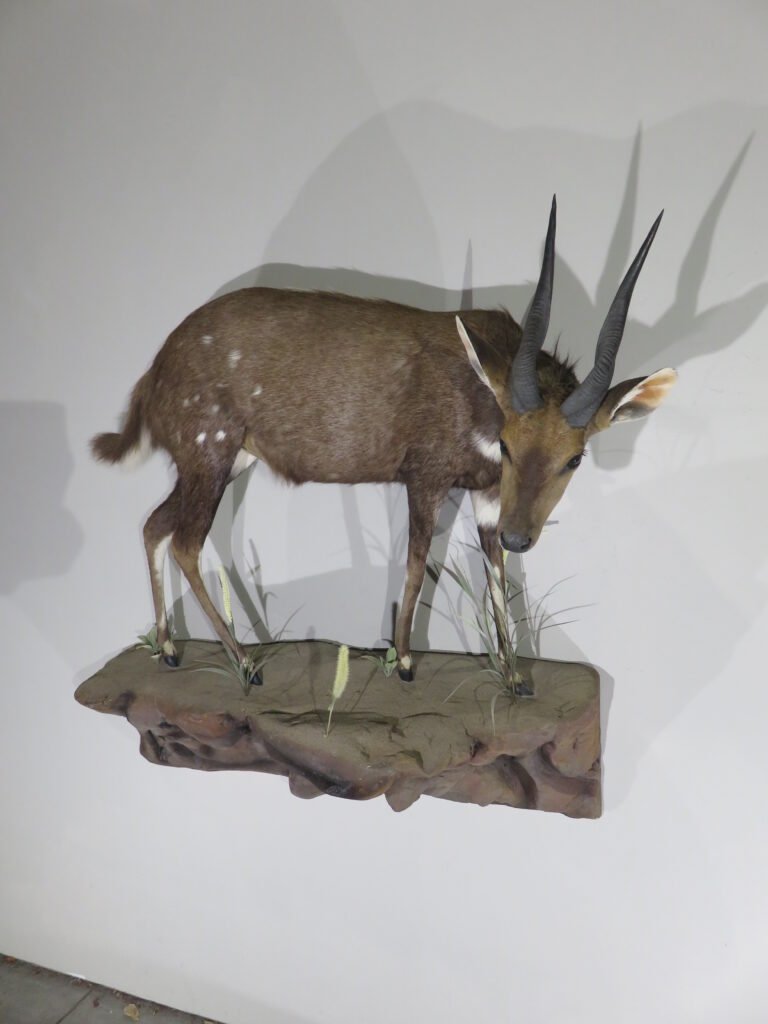
African Bushbuck Life-Size Mount (Tragelaphus scriptus)
-
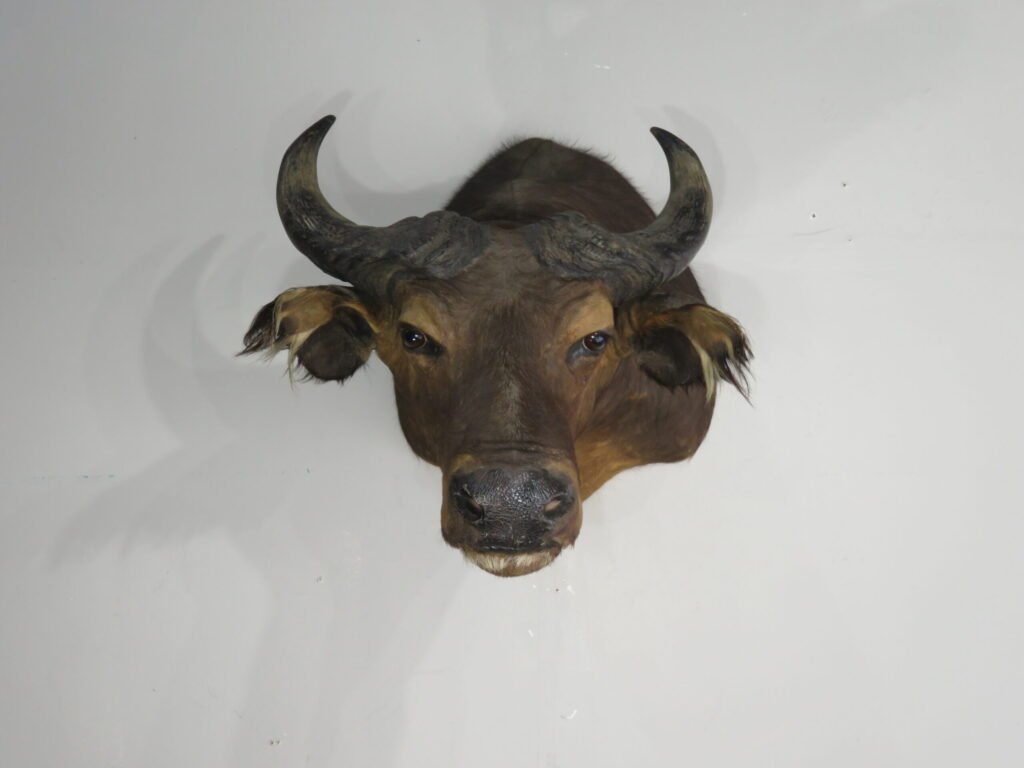
African Forest Buffalo Shoulder Mount (Syncerus caffer nanus)
-
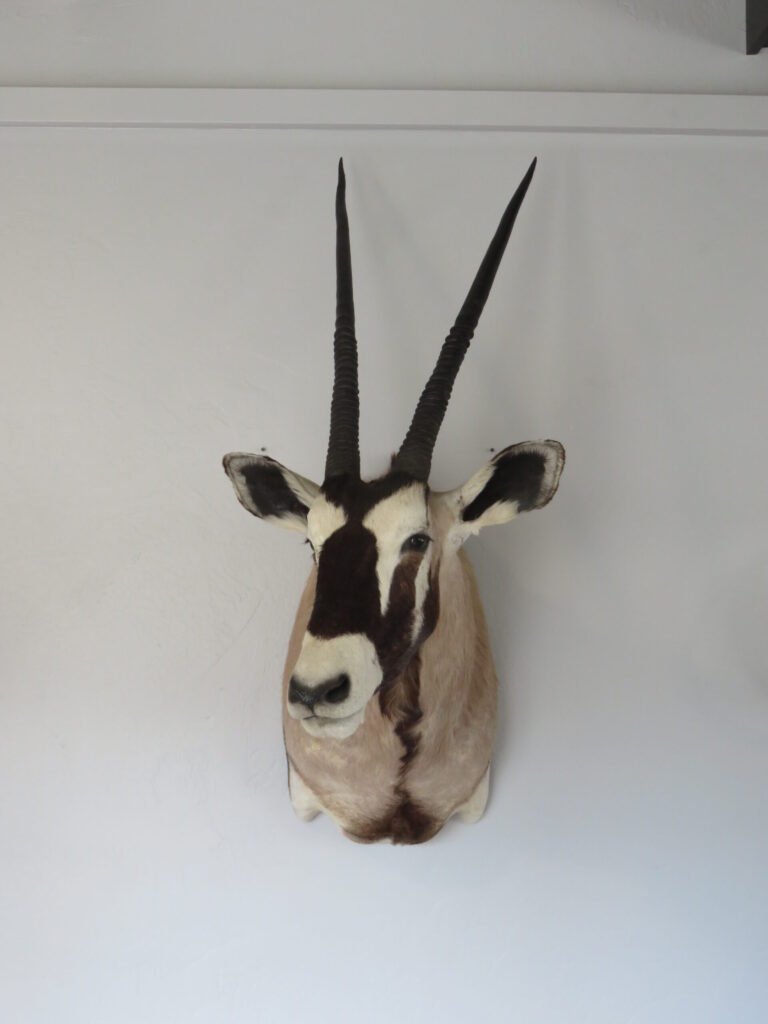
African Gemsbok Shoulder Mount (Oryx gazella)
-
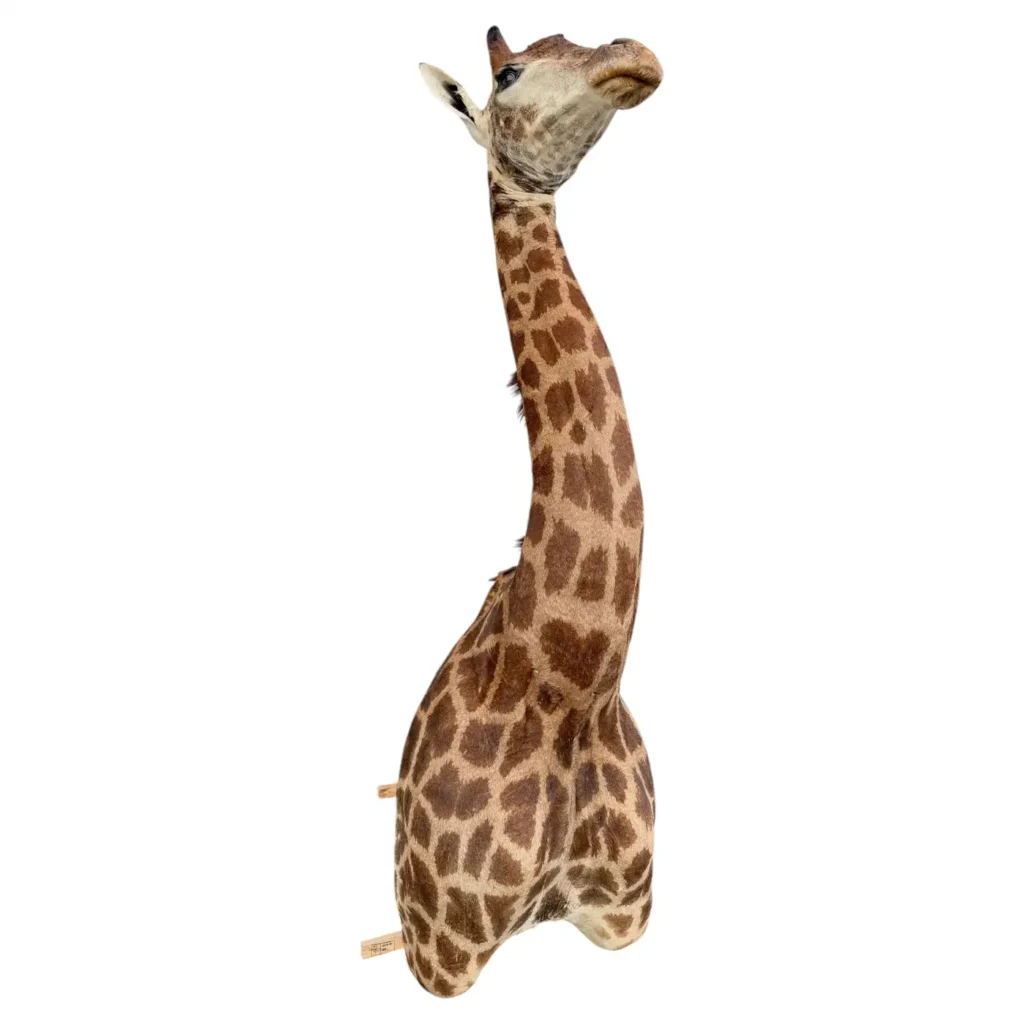
African Giraffe Shoulder Mount on Custom Wooden Base (Giraffa camelopardalis)
-
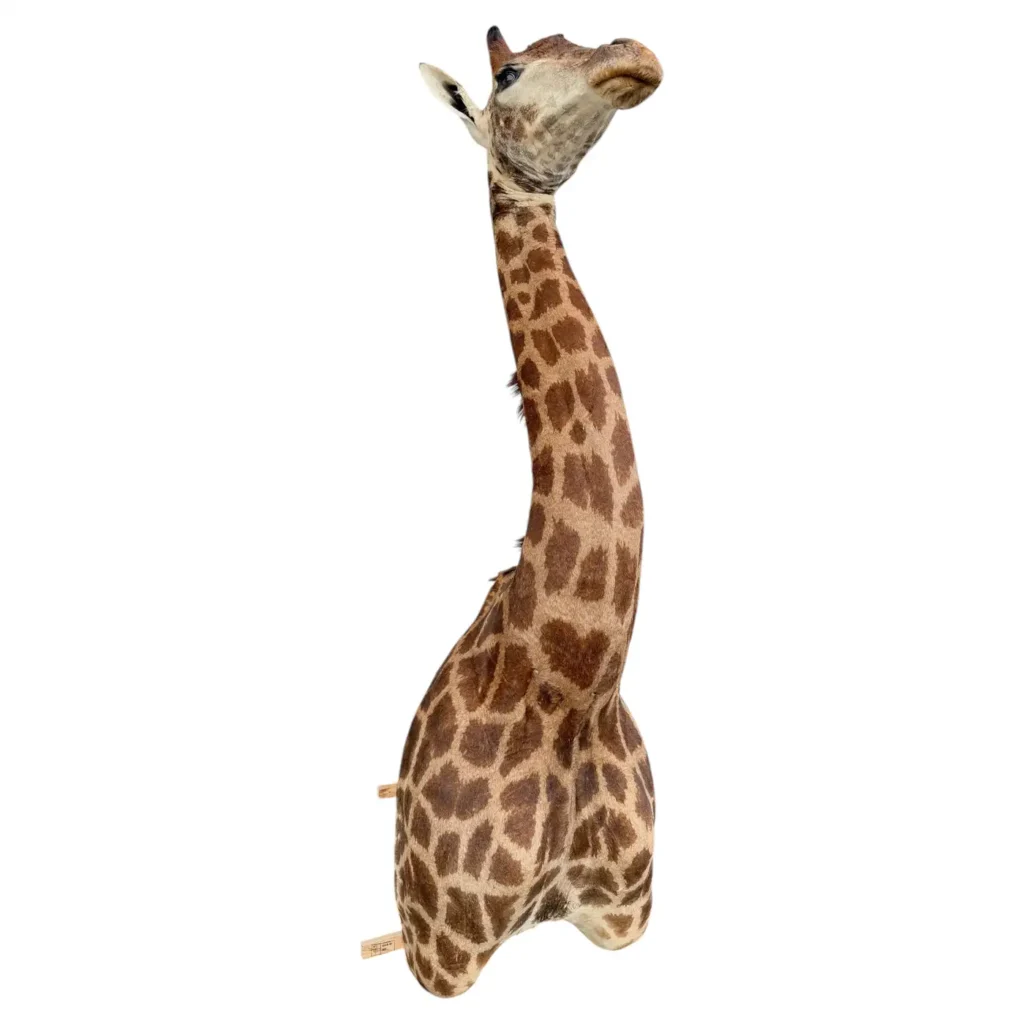
African Giraffe Taxidermy Shoulder Mount, 1980s (Giraffa camelopardalis)
-
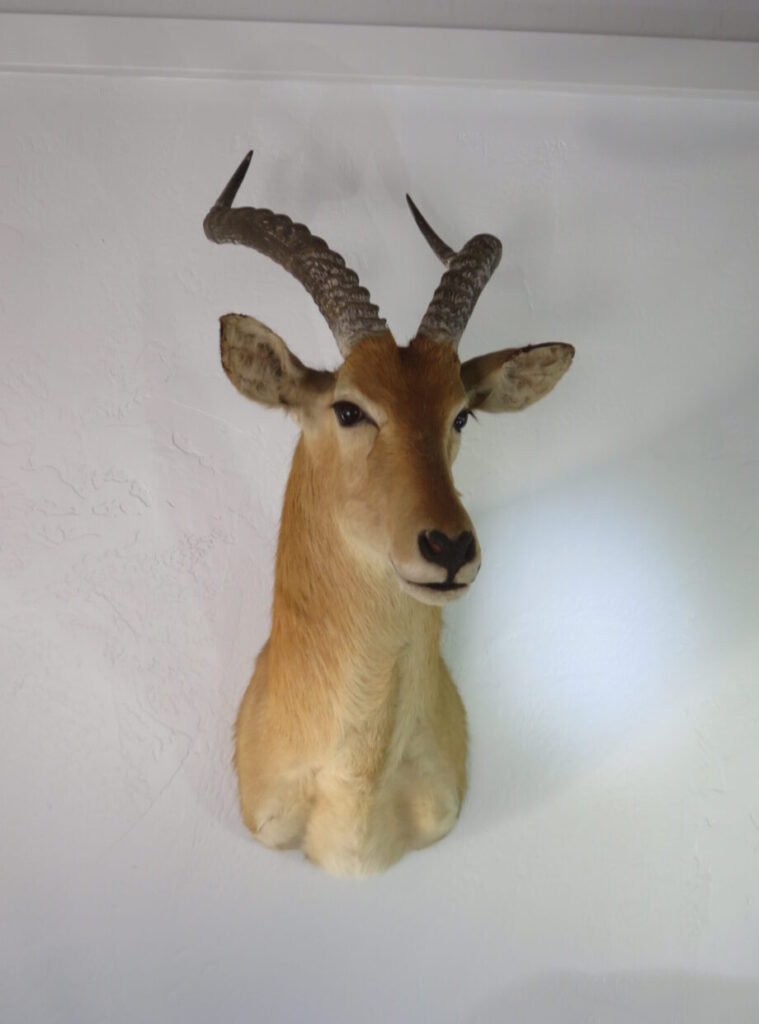
African Puku Taxidermy Mount (Kobus vardonii)
-
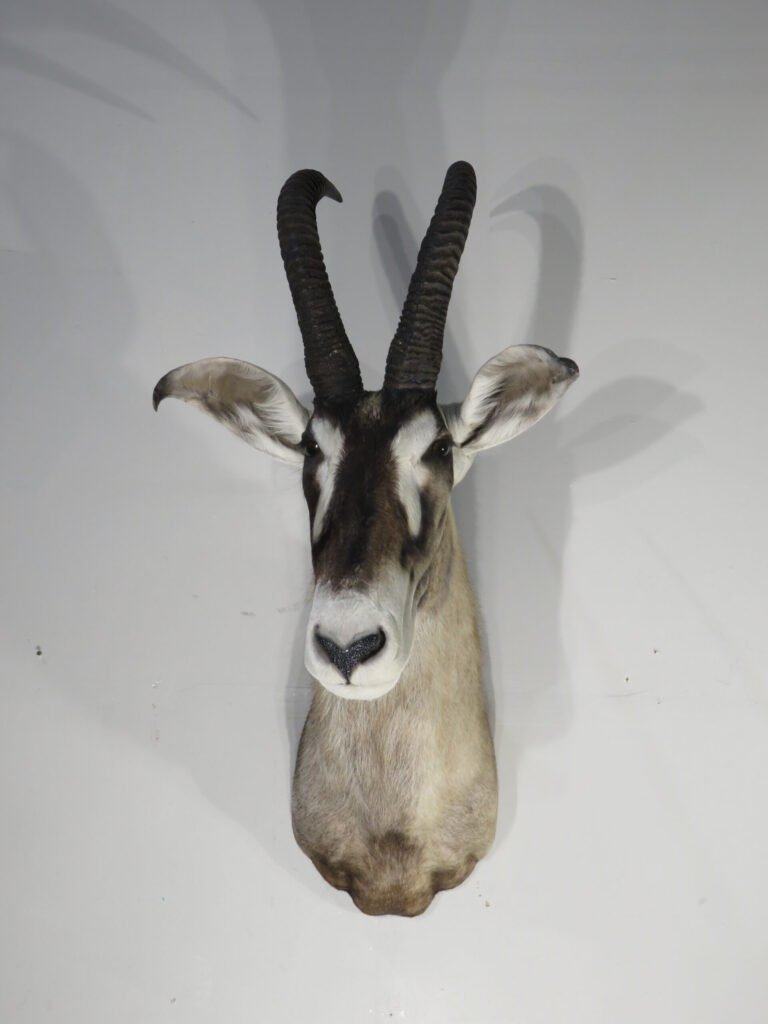
African Roan Antelope Trophy Mount (Hippotragus equinus)
-
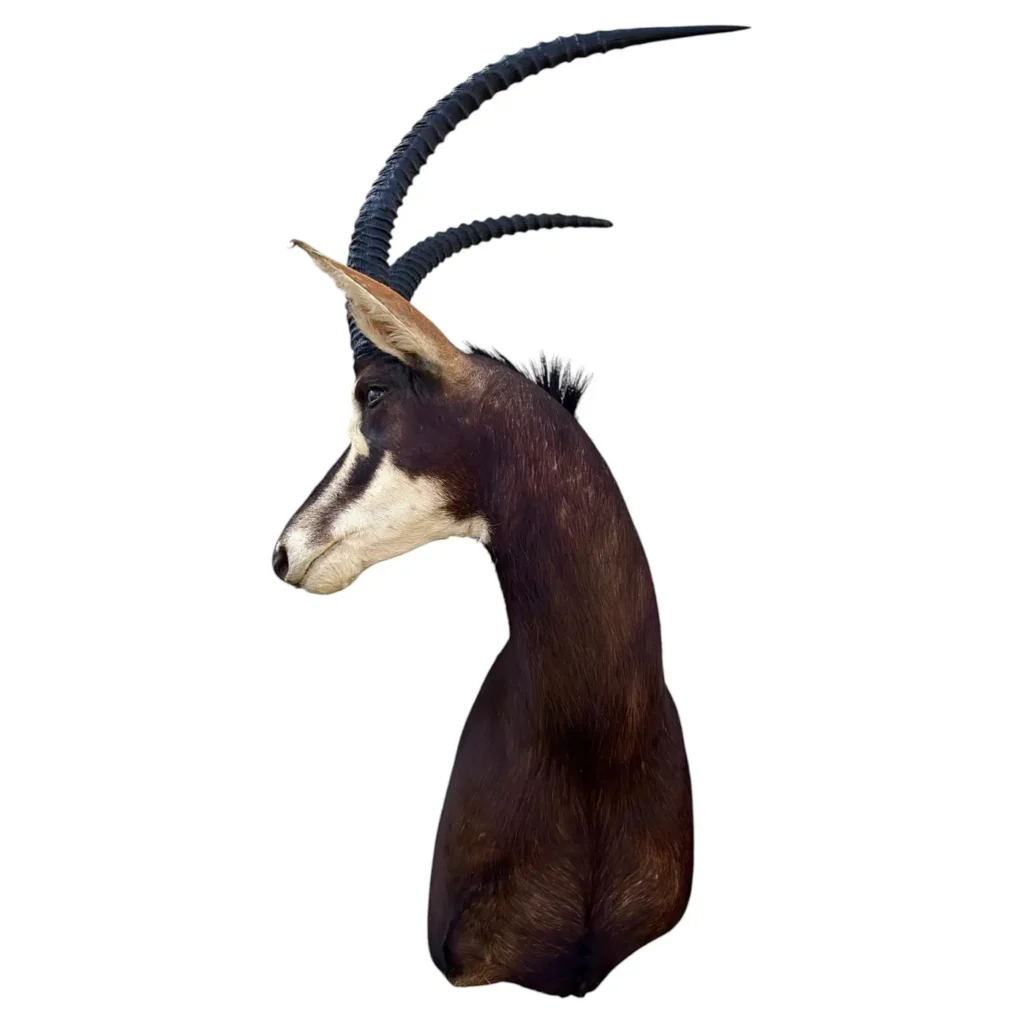
African Sable Antelope 5ft Safari Shoulder Mount (Hippotragus niger)
-
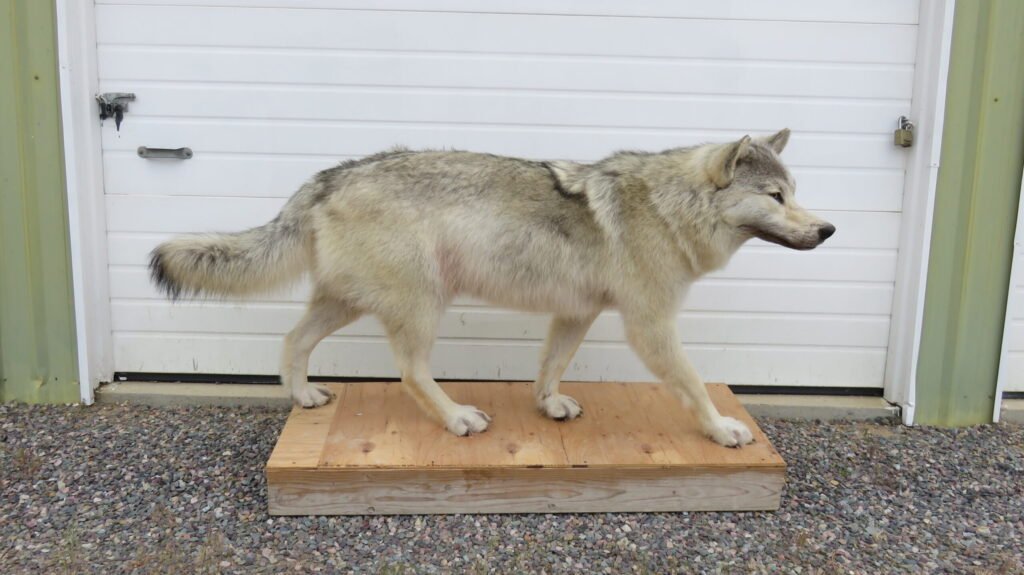
Alaskan Wolf Life-Size Mount (Canis lupus)
Is taxidermy ethical? The short answer
Taxidermy is ethical when the animal was sourced responsibly and legally and unethical when it was not. There is no single yes or no, because taxidermy covers everything from a naturally deceased garden bird preserved for study to a trophy from an endangered animal killed for a wall.
The honest position is that the practice itself is neutral, and the ethics live entirely in the sourcing. Preserving an animal that has already died, of natural causes, of illness, in a zoo or sanctuary under veterinary care, or as legally managed game whose meat was used, harms no living creature and can serve education, memory, and conservation. Preserving an animal killed solely to be an ornament or taken illegally from a protected population is a different matter. So the useful question is not “Is taxidermy ethical?” in the abstract, but “Is this specimen ethically sourced?” The rest of this guide helps you answer that.
The case against taxidermy, stated fairly
Critics of taxidermy raise real concerns, and any honest discussion has to state them fairly rather than dismiss them. The main arguments are about killing, ecosystems, suffering, and desensitization.
The core objection is that much taxidermy involves killing animals for decoration, which critics see as taking a life for vanity. They argue that hunting to supply mounts can disrupt ecosystems, especially when the largest or strongest animals are targeted, and that it can cause fear, stress, and sometimes prolonged suffering when a kill is not quick. Some worry that displaying preserved animals normalizes death or desensitizes people to it, and others object on the grounds that buying taxidermy creates demand that keeps the whole cycle going. A number of critics also point to older arsenic-preserved specimens as a health concern. These are serious points, and they apply squarely to the unethical end of the practice: trophies taken for their own sake and anything from protected or illegally sourced animals.
Where the criticism is weakest is in treating all taxidermy as if it were that. Not all taxidermy involves killing at all, which is the crux of the ethical-sourcing response below.
The case for ethical taxidermy
The case for ethical taxidermy is that a great deal of it involves no killing for decoration whatsoever, and that responsibly sourced specimens serve education, science, conservation and remembrance. Preserving an animal that has already died gives its body lasting purpose.
Museums build much of their collections from animals that died naturally or were euthanized under veterinary care, and those specimens teach anatomy, biodiversity, and conservation to millions of people. A preserved animal lets people see a creature up close they would otherwise never encounter, which can deepen respect for wildlife rather than diminish it. Ethical taxidermists frequently work from animals found dead, from natural mortality, and from legally and sustainably managed sources, not from killing for the mount. For many people, a well-sourced specimen is a way to honor an animal and keep a tangible connection to the natural world. Understood this way, ethical taxidermy sits closer to natural-history curation than to trophy hunting. For the craft itself, see our guide on how taxidermy works.
What ethical sourcing actually means
Ethical sourcing means the animal was obtained without being harmed for the purpose and, legally, with documentation where the law requires it. In practice, ethically sourced taxidermy comes from a handful of legitimate origins.
The recognized ethical sources are
- Natural death: animals that died of natural causes, age, or illness.
- Veterinary euthanasia: animals humanely put down due to illness or injury, including many zoo and sanctuary animals, a major source for museums.
- Roadkill: animals killed accidentally on roads, salvaged where legal to do so.
- Legally and sustainably managed game: species taken under regulated, sustainable wildlife management, typically where the meat is also used.
- Old and antique specimens: animals preserved long ago, where no new animal is affected by your purchase.
- Farmed byproducts: for some species, animals farmed for other purposes whose remains would otherwise be waste.
What these have in common is that no animal is killed specifically to become a decoration for you, and nothing protected or illegal is involved. A responsible seller can tell you which of these an animal came from. Our guide on ethically sourced human bones applies the same principles to human specimens, where sourcing is even more sensitive.
What to avoid: unethical taxidermy
Unethical taxidermy is any specimen from a protected or endangered species, anything illegally obtained, and anything killed purely to be sold as a mount. Avoiding these is the core of buying responsibly.
Steer clear of specimens from protected or endangered species without ironclad legal documentation, since these may be illegal to own and their trade can drive real harm. Avoid anything a seller cannot or will not explain the source of, because vagueness usually hides a problem. Be wary of very cheap exotic or big-cat pieces, which are a red flag for illegal sourcing. And if your own ethics object to legally managed hunting as a source, avoid trophy-style mounts and choose natural-death, euthanized, or antique specimens instead. The line between ethical and unethical is not about taxidermy itself; it is about whether a specific animal was harmed or taken wrongly to create the piece.
The law: protected species and permits
The law sets a hard floor under taxidermy ethics: many species are protected, and owning or selling them without the right permits is illegal regardless of how you feel about the ethics. Knowing the legal lines protects you and the wildlife.
Internationally, CITES regulates trade in endangered species, and many big cats, birds of prey, marine animals, elephants, and exotic game are covered, requiring permits to own or move across borders. National and local laws add more: many countries protect native birds, especially raptors and migratory species, and some regulate the sale of particular animals entirely. Antique specimens sometimes have exemptions, but only with documentation. The practical rule is simple: a legal specimen comes with whatever paperwork its species requires, and a responsible seller confirms that a piece is lawful to own and ship to your location before selling it. Our pages on sensitive categories, such as the real human skull and crocodile skull collections, show how legality and documentation are handled where the stakes are highest. Trade in protected species is governed by CITES.
Ethical sourcing at a glance
Here is a quick reference to how the common sources of taxidermy rate ethically, so you can judge a specimen fast. The key question is always whether an animal was harmed for the purpose.
| Source | Ethical standing | Notes |
|---|---|---|
| Natural death | Strong | No animal harmed for the mount |
| Veterinary euthanasia | Strong | Illness/injury; major museum source |
| Roadkill (salvaged legally) | Strong | Accidental death, given purpose |
| Antique / vintage | Strong | No new animal affected |
| Legally managed game | Depends on your view | Legal and sustainable; meat used |
| Protected species (documented antique) | Case by case | Needs ironclad provenance |
| Killed purely for decoration | Weak | The heart of the ethical objection |
| Protected species, undocumented | Avoid | Often illegal; can drive harm |
Use this as a mental checklist. Anything in the top rows is broadly defensible; anything in the bottom rows deserves hard questions or a firm no.
Why antique and vintage taxidermy is a strong ethical choice
Antique and vintage taxidermy is one of the most straightforwardly ethical ways to collect, because the animal died long ago and your purchase affects no living creature. It also carries history and character a new mount cannot.
When you buy an antique specimen, the animal was preserved decades or a century ago, so no new animal is killed, taken, or affected by your decision. This sidesteps the central ethical objection entirely, since demand for antiques does not translate into animals harmed today. Vintage pieces also connect you to the history of natural-history collecting and the cabinet-of-curiosities tradition, covered in our cabinet of curiosities guide. The one caution is that some antique specimens are of species now protected, so even for old pieces, documentation matters where the law requires it. For a collector who wants to sidestep the ethical debate cleanly, well-documented antique taxidermy is a strong answer.
What about vegan or faux taxidermy?
Vegan taxidermy, using no animal parts at all, is a real alternative for those who object to any use of animals, though it is a different thing from preserving a real specimen. It is worth understanding as an honest option.
So-called vegan or faux taxidermy recreates the look of a mounted animal using synthetic materials, sculpture, faux fur, and feathers, with no animal involved. For people whose ethics rule out any use of animal remains, it offers the aesthetic without the sourcing questions. It is not really taxidermy in the traditional sense, since taxidermy means preserving an actual animal, but it is a legitimate choice and a growing craft. If your objection is to the use of any animal at all, faux pieces are the consistent answer. If your concern is narrower, that no animal should be harmed for a mount, then ethically sourced real taxidermy from natural death and antique specimens already meets that standard. Knowing which concern is yours points you to the right choice.
Ethical taxidermy vs. trophy hunting
Ethical taxidermy and trophy hunting are not the same thing, and conflating them is the most common mistake in this debate. Trophy hunting kills an animal to obtain the mount; ethical taxidermy preserves an animal that died for other reasons.
The distinction matters because the strongest ethical objections, killing for decoration, targeting the biggest animals, and disrupting populations, apply to trophy hunting, not to a naturally deceased bird or a euthanized zoo animal. A trophy mount and an ethically sourced specimen can look similar on a shelf, but their ethics are worlds apart, because one required a death for the purpose and the other did not. This is why sourcing, not appearance, is the real ethical question. If you object to trophy hunting, you can still collect ethically sourced taxidermy with a clear conscience by choosing natural-death, euthanized, roadkill, and antique specimens and avoiding trophy-style mounts of hunted game.
The conservation and education argument
Supporters argue that ethical taxidermy actively supports conservation and education, and there is real substance to this. Preserved specimens teach, inspire, and document biodiversity in ways living animals in the wild cannot always do.
Museum specimens let scientists study anatomy, track how species change over time, and document biodiversity, including animals now rare or extinct. Educational mounts bring children and adults face to face with wildlife they would never otherwise see, which research suggests can build the emotional connection that drives people to care about conservation. Some argue that legal, regulated and sustainable wildlife management, which can supply ethical specimens, funds habitat protection in parts of the world. Critics counter that you do not need a dead animal to teach respect for a living one, and that argument has force too. The honest summary is that ethically sourced taxidermy can serve genuine educational and scientific good, while the conservation claims are strongest for museum and scientific work and weaker as a blanket justification for all collecting.
Is taxidermy safe to own? The arsenic question
One real concern critics raise is safety: some antique taxidermy was preserved with arsenic, which can be a genuine hazard. Modern taxidermy does not use it, but it is worth knowing about with older pieces.
For much of the nineteenth and early twentieth centuries, taxidermists used arsenic-based soaps to preserve skins and deter pests, and some surviving antique mounts still carry residues. This is a health point rather than an ethical-sourcing one, but it matters for anyone collecting older pieces. The practical guidance is straightforward: handle very old specimens with care, wash your hands after, keep them out of reach of children and pets who might touch or mouth them, and if you are unsure about a valuable antique, it can be tested. Modern ethical taxidermy uses safe, arsenic-free preservatives, so new specimens carry no such concern. A reputable seller of antiques will be upfront about the possibility. Our taxidermy care guide covers safe handling and display.
Does the animal matter? Ethics by species
The ethics of a specimen can shift with the species, because different animals carry different legal protections and conservation stakes. The same sourcing question applies to all, but the stakes rise sharply for protected and endangered species.
Common, non-protected animals, garden birds, common mammals, and farmed species legally managed game raise the fewest issues since they are neither endangered nor legally restricted, and ethical sourcing is mainly about how the individual died. Protected native species, especially birds of prey and migratory birds, are legally restricted in many countries even when found dead, so they need care and often permits. Endangered and CITES-listed species, big cats, elephants, marine animals, and exotic reptiles, carry the highest stakes: their trade is tightly controlled or banned, and buying them without ironclad documentation risks both breaking the law and feeding harm to wild populations. This is why sourcing and legality are handled most carefully for sensitive specimens, as our crocodile skull collection shows for a CITES-regulated species. The rule scales with the species: the rarer and more protected the animal, the higher the bar for documentation and the greater the care required.
How to buy taxidermy responsibly
You buy taxidermy responsibly by asking about sourcing, insisting on legality, choosing defensible sources, and buying from transparent sellers. A few clear habits keep your collection ethical.
- Ask where it came from. A responsible seller can tell you how the animal died and was obtained. Vagueness is a warning.
- Insist on legality. For any regulated species, require documentation, and confirm the piece is legal to own and ship to you.
- Prefer defensible sources. Natural death, veterinary euthanasia, roadkill, and antique specimens sidestep the core objection.
- Avoid protected species without ironclad papers. If provenance is not solid, walk away.
- Buy from transparent specialists. Sellers who document sourcing and confirm legality are the ones to trust.
- Match it to your own ethics. If legal hunting troubles you, choose non-hunted sources. If any animal use troubles you, choose faux.
Follow those and you can collect with a clear conscience. Browse our ethically sourced taxidermy collection, including mammal mounts and bird taxidermy, each documented and honestly described.
A quick checklist for ethical buying
Before you buy any specimen, run through this short checklist. If a piece passes all six, it is ethically defensible; if it fails several, think again.
- Can the seller tell you how the animal died?
- Is the source one of the defensible origins (natural death, euthanasia, roadkill, antique, legal game)?
- For any regulated species, is there documentation?
- Is the piece legal to own and ship to your location?
- Does the sourcing match your own ethical line?
- Is the seller transparent rather than evasive?
A yes to all six means you can buy with confidence. A no to the legality or documentation questions is a hard stop.
Frequently asked questions
Is taxidermy ethical?
It can be. Taxidermy is ethical when the animal was sourced responsibly, from natural death, veterinary euthanasia, roadkill, legal and sustainable game, or antique specimens, and legally, with documentation for regulated species. It is unethical when an animal is killed purely for decoration or taken illegally from protected populations.
Is taxidermy cruel?
Taxidermy itself is not cruel, because it works on animals that are already dead. The ethical concern is about how the animal died. A specimen from a naturally deceased or euthanized animal involves no cruelty; a trophy killed solely for the mount is where the cruelty objection genuinely applies.
What does ethically sourced taxidermy mean?
It means the animal was obtained without being harmed for the purpose and in line with the law. Recognized ethical sources are natural death, veterinary euthanasia, salvaged roadkill, legally and sustainably managed game, farmed byproducts, and antique specimens. No animal is killed specifically to become a decoration.
Is it ethical to buy taxidermy?
Buying taxidermy is ethical when you choose responsibly sourced, legal specimens and avoid protected species and anything killed for decoration. Antique and naturally sourced pieces are the most straightforwardly ethical, since your purchase affects no living animal.
What is vegan taxidermy?
Vegan or faux taxidermy recreates the look of a mounted animal using only synthetic materials, with no animal involved. It suits people who object to any use of animal remains. It is a different craft from traditional taxidermy, which preserves a real animal.
Is antique taxidermy more ethical?
Yes, in general. Because an antique animal died long ago, buying it affects no living creature and sidesteps the central ethical objection. The one caveat is that antique specimens of now-protected species still need documentation where the law requires it.
Is taxidermy bad for conservation?
Ethically sourced taxidermy is not bad for conservation and can support it through education and science, while illegal taxidermy of protected species genuinely harms it. The difference, again, is sourcing. Museum and educational specimens in particular contribute to understanding and protecting biodiversity.
Collect with a clear conscience.
Taxidermy is as ethical as its sourcing, no more and no less. Choose specimens that died naturally, were humanely euthanized, were salvaged as roadkill, or were preserved long ago; insist on legality and documentation; and match your choices to your own conscience, and you can collect responsibly without contributing to any harm. The debate is real, but so is the ethical path through it.
Ready to collect responsibly? Browse our ethically sourced taxidermy collection, from mammal mounts to bird taxidermy, each documented, honestly described, and shipped worldwide in secure, insured packaging. To learn more, read our complete guide to taxidermy, our guide on how taxidermy works, and our taxidermy care guide. Questions about a specimen’s sourcing? Message us on WhatsApp; we are always happy to explain.