
How Does Taxidermy Work? The Process Explained
Taxidermy works by preserving an animal’s skin and mounting it over a sculpted form that recreates the animal’s body so it looks lifelike. The original body is not kept, and nothing is stuffed in the modern craft. The process runs through clear stages: skinning, preserving or tanning the skin, building a form, mounting the skin over it, and finishing with glass eyes and detail work. This guide walks through each step, explains what the word means, and shows what a taxidermist actually does.
This is a companion to our complete guide to taxidermy, focused specifically on the process.
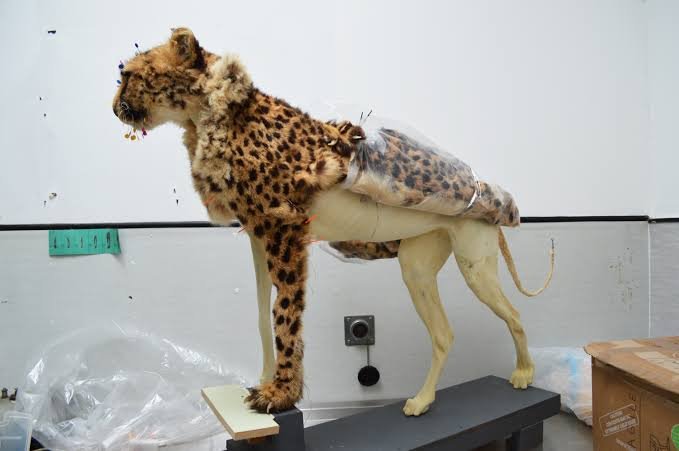
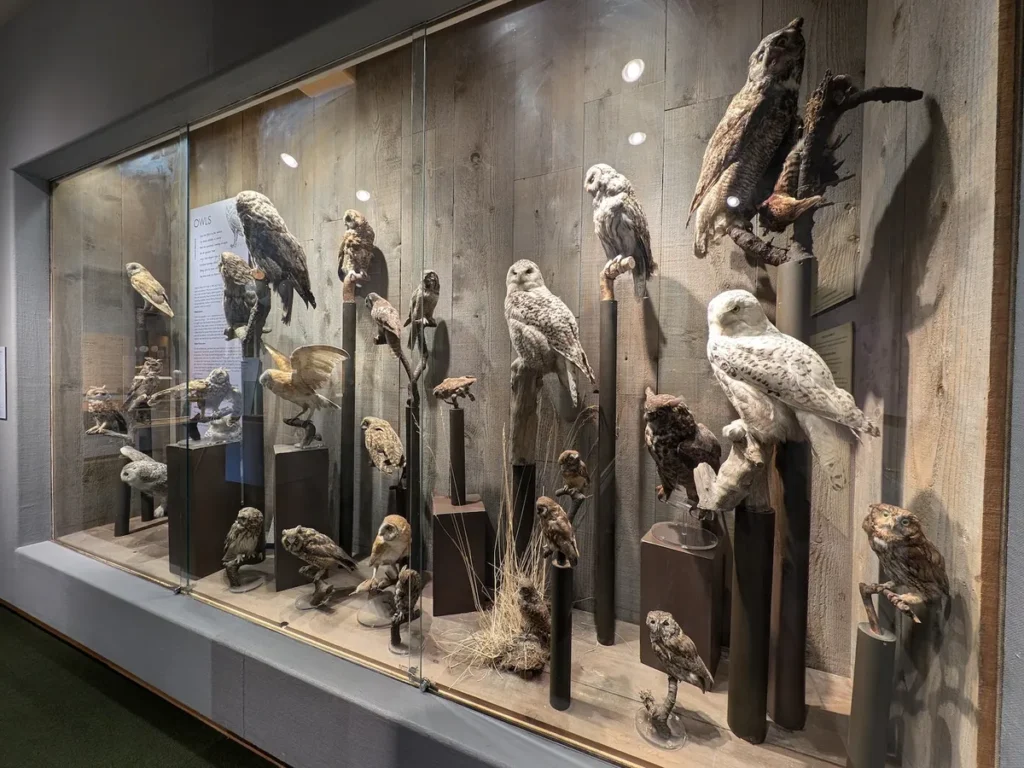
What does taxidermy mean?
Taxidermy means the preservation and lifelike mounting of an animal’s skin. The word comes from two Greek roots: “taxis,” meaning arrangement, and “derma,” meaning skin. So taxidermy is literally “the arrangement of skin.”
The taxidermy definition often surprises people, because the popular image is wrong. Taxidermy is not stuffing an animal. In the modern craft, the taxidermist preserves only the skin and mounts it over a manufactured form that carries the animal’s exact anatomy. The original carcass is not used at all.
What is it called when you stuff a dead animal?
The craft is called taxidermy, and the person who does it is a taxidermist. Many people search for “stuffing animal name” or “what is it called when you stuff a dead animal,” and the answer is taxidermy, though “stuffing” is an outdated and inaccurate term.
The word “stuffed” survives from the earliest days of the craft, when skins really were packed with filling like rags or straw. Those crude mounts sagged and rarely lasted. Modern taxidermy abandoned stuffing more than a century ago in favor of the sculpted-form method described below, which is why professionals prefer “mounted” to “stuffed.”
Products by Category
-
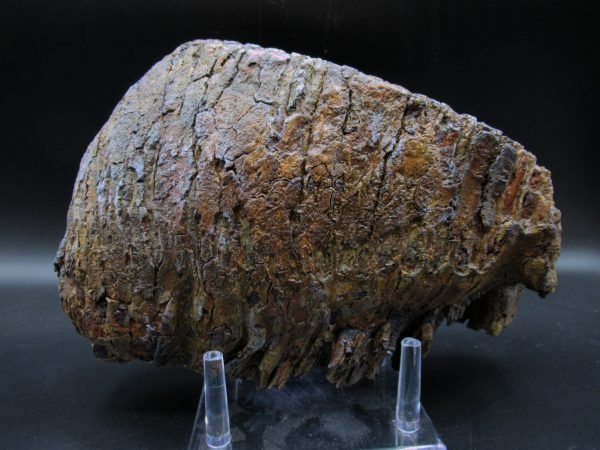
Genuine Woolly Mammoth Tooth Fossil #12, Ice Age Alaska
-
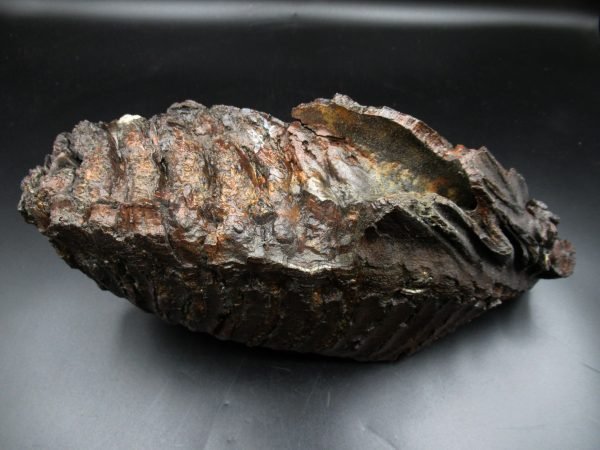
Genuine Woolly Mammoth Tooth Fossil #13, Ice Age Alaska
-
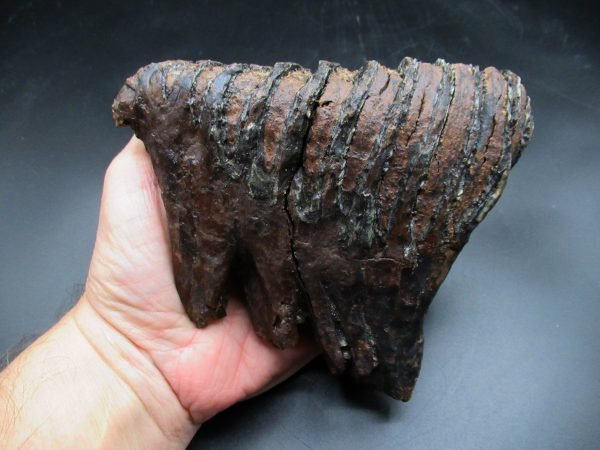
Genuine Woolly Mammoth Tooth Fossil #15, Ice Age Alaska
-
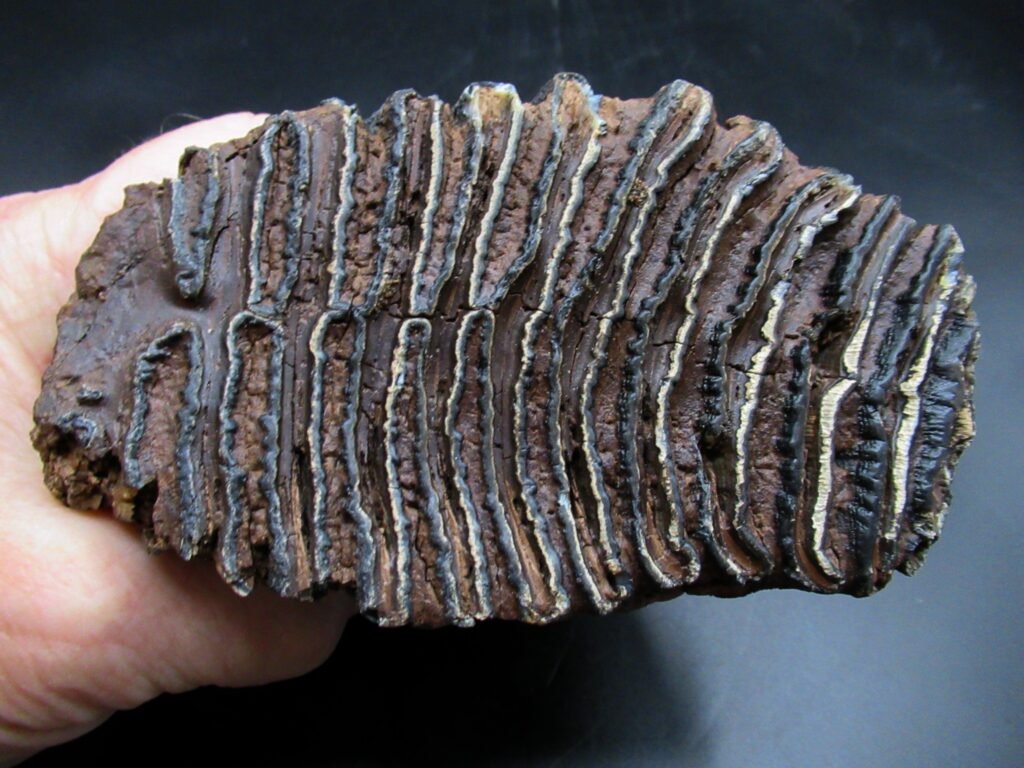
Genuine Woolly Mammoth Tooth Fossil #16, Ice Age Alaska
-
Genuine Woolly Mammoth Tooth Fossil #17, Ice Age Alaska
-
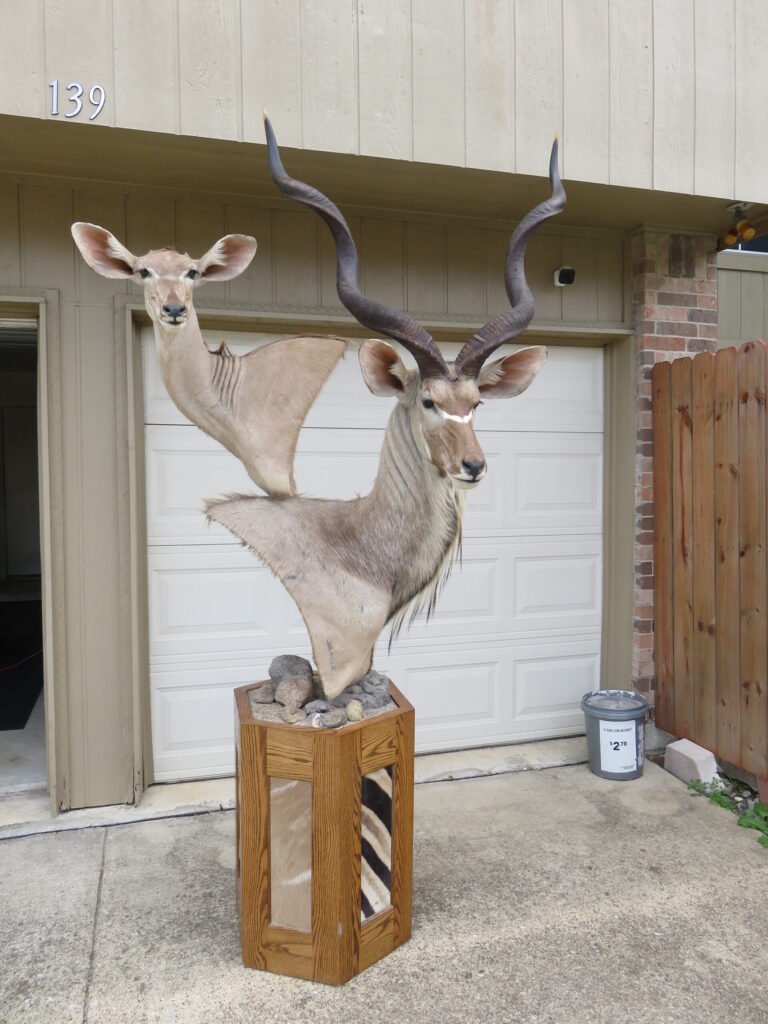
Greater Kudu Pair Shoulder Mount (Tragelaphus strepsiceros)
-
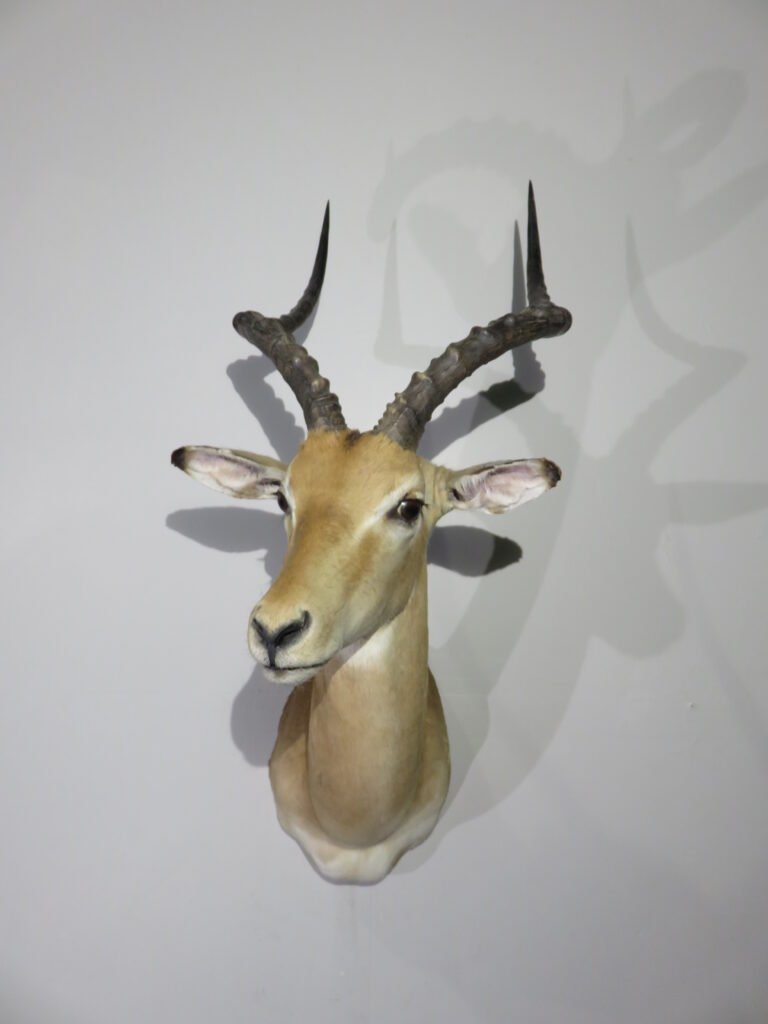
Impala Shoulder Mount, SCI Silver Class (Aepyceros melampus)
-
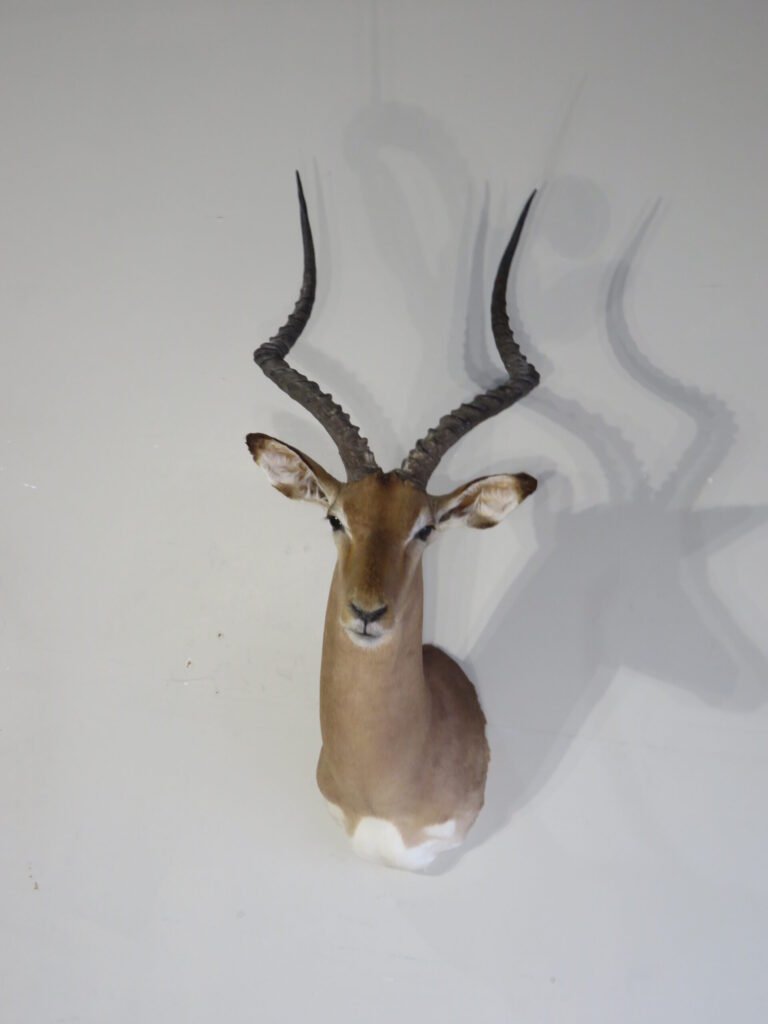
Impala Trophy Shoulder Mount, SCI Gross Score (Aepyceros melampus)
-
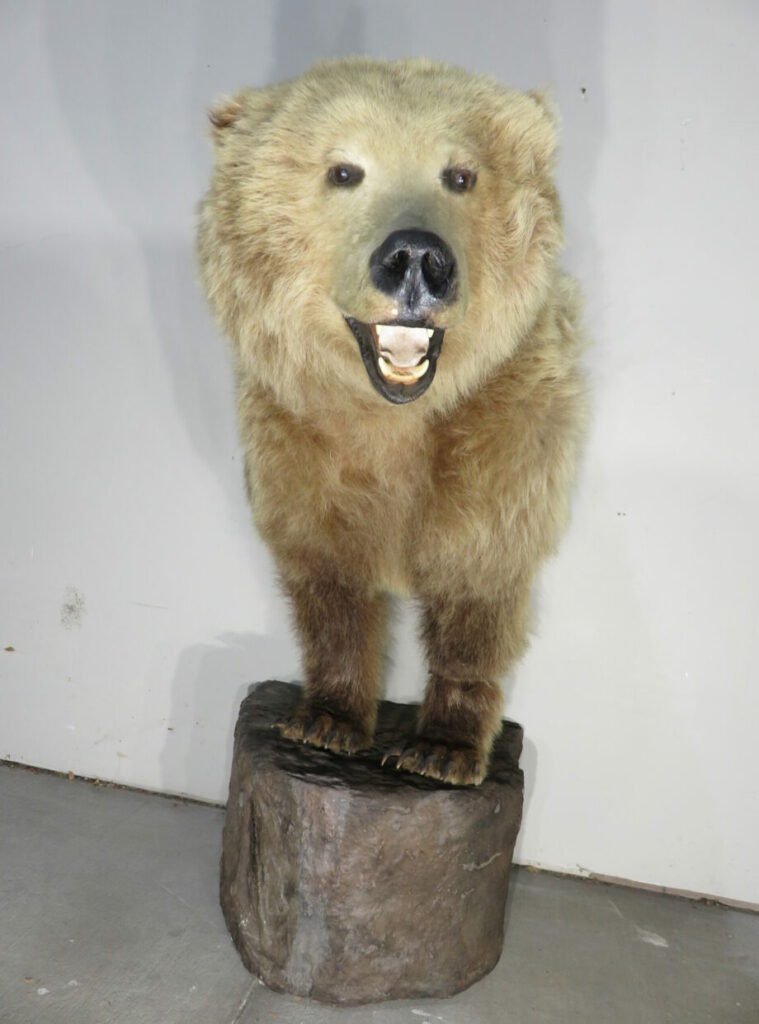
Kodiak Brown Bear Taxidermy Mount (Ursus arctos middendorffi)
What does a taxidermist do?
A taxidermist preserves animals and mounts them for lifelike display. The role combines several skills: part naturalist, part sculptor, and part painter. A taxidermist skins the animal, preserves the skin, sculpts or fits a form to recreate the body, mounts the skin over it, and finishes the piece so it looks alive.
Good taxidermy is applied anatomy. The best taxidermists understand exactly how an animal’s muscles, bones, and skin sit together, and they use that knowledge to make a mount look alert and natural rather than lifeless. This is why quality varies so much between practitioners and why skilled taxidermists are valued.
How does taxidermy work? The process step by step
The taxidermy process follows a clear sequence. The details vary by animal, but these are the core steps for almost any mount.
Step 1: Skinning
The taxidermist carefully removes the skin from the body. This is precise work, since any cuts or damage to the skin will show in the finished mount. The original body, the carcass, is set aside and not used in the mount. For some animals, the real skull, antlers, or horns are kept and reused.
Step 2: Fleshing and cleaning
The inside of the skin is cleaned of all remaining flesh and fat, a step called fleshing. This is essential, because any tissue left behind will rot and ruin the mount. The skin is then washed and prepared for preservation.
Step 3: Preserving or tanning
The skin is preserved so it will not decay. Small mammals and birds often use a dry preservative, while larger mammals are tanned, a chemical process that turns raw skin into stable leather. This is the single most important step for a mount that lasts, and rushing it is the most common cause of failure.
Step 4: The form (manikin)
A sculpted form, also called a manikin, recreates the animal’s body and pose. Modern forms are usually polyurethane foam, made in standard sizes and posed or sculpted custom. The form carries the animal’s exact anatomy, which is why modern mounts look so lifelike. The animal is measured carefully so the form fits precisely.
Step 5: Mounting
The preserved skin is fitted over the form and secured. The taxidermist rebuilds the animal’s shape, adjusting the skin over the anatomy and setting the legs, wings, or neck into a natural pose. Wire supports fine parts like a bird’s wings.
Step 6: Setting the eyes and detail work
Glass eyes, made species-specific in the right size and color, are set into the mount. Modelling clay sculpts the anatomy around the eyes, nose, and mouth. The eyes are the single biggest factor in a lifelike result, so this step is done with great care.
Step 7: Drying and finishing
The mount dries over days or weeks. Then comes finishing: grooming the fur or feathers and repainting areas that lose their color as they dry, such as the nose, lips, inner ears, and any bare skin. This final detail work is what separates a professional mount from an amateur one.
How long does the taxidermy process take?
The full process is slow. For a commissioned mount, six months to a year is common. The reason is that several stages cannot be rushed: tanning takes time, the mount must be built carefully, and then it must dry fully before finishing, which alone takes weeks. Many taxidermists also carry a backlog, especially after hunting season. This is why buying a finished mount is instant while commissioning one is a long wait.
The tools and materials involved
The process relies on a specific toolkit. In brief, a taxidermist uses cutting and fleshing tools for skinning and cleaning, preservatives or tanning agents to stop decay, a sculpted form to carry the anatomy, glass eyes for the face, and clay, adhesive, and paint for finishing. Our taxidermy supplies guide explains each in detail.
Does taxidermy use the whole animal?
No. This is one of the most common misconceptions. Taxidermy uses only the skin and sometimes the real skull, antlers, or horns. The body, muscles, and internal organs are not used and are not inside the mount. In some cases, such as most fish and reptile mounts, not even the skin is used; the piece is a painted cast instead. Understanding this is the clearest sign you understand how taxidermy actually works.
Is taxidermy hard to learn?
Taxidermy is a genuine craft with a real learning curve, and first attempts rarely look professional. The hardest parts are the anatomy, getting the form and pose right, and the finishing, especially setting the eyes and restoring natural color. Many taxidermists are self-taught, starting with small, forgiving animals and building up. If you want to try, our taxidermy supplies guide covers what a beginner needs. If you simply want a great mount, a professional or a ready-made piece is the easier route.
How the taxidermy process developed
The modern process did not appear fully formed. Understanding how it developed shows why today’s mounts look so different from early ones. The earliest attempts, centuries ago, really were stuffing: skins packed with rags, straw, or sawdust. These mounts were lumpy, sagged as the filling settled, and were often treated with arsenic to deter pests, which made them dangerous as well as short-lived.
The breakthrough came in the nineteenth century, when taxidermists began building an accurate model of the animal’s body and mounting the skin over it, rather than filling the skin. This sculpted-form method, refined by museum taxidermists, is the basis of everything done today. The materials have modernized, foam forms replaced wood-wool and clay, and safe preservatives replaced arsenic, but the core idea, skin over an anatomically correct form, has not changed in over a century. When you understand this history, the difference between a lifeless “stuffed” antique and a lifelike modern mount makes complete sense.
Does the process differ by animal?
Yes, the same core steps are adapted for each kind of animal, and it helps to know the main differences.
- Mammals follow the full process most closely: skin, flesh, tan, mount over a form, set the eyes, and finish.
- Birds need delicate feather handling and wiring of the wings, legs, and neck, since there is little muscle to sculpt. Read our bird taxidermy guide.
- Fish are often not skin-mounted at all. Because their color fades, many are reproductions: painted casts using no real fish. See our fish taxidermy guide.
- European mounts and skulls skip skinning entirely. The skull is cleaned, degreased, and whitened, with no skin or form involved. See our animal skulls guide.
So while “how taxidermy works” has one core answer, the craft flexes to suit fur, feather, scale, and bone.
Why the process matters to buyers
You might wonder why any of this matters if you simply want to buy a mount rather than make one. It matters because understanding the process makes you a far better buyer. Once you know that a mount is skin over a sculpted form, you know how to judge the fit of the skin, the set of the eyes, the naturalness of the pose, and the exact places where skill shows. Once you know that preservation is the step that makes a mount last, you understand why a cheap, poorly tanned mount fails while a well-made one survives for generations.
It also helps you spot honesty in a seller. A dealer who understands and explains the craft, who can tell you how a piece was prepared and preserved, is one worth trusting. The process is also why quality varies so much: the same species, prepared by two different taxidermists, can look worlds apart. Knowing what good work involves lets you tell the difference, whether you are buying a deer mount, a bird, or a fine antique. Our trophy mount guide covers how to judge quality in detail.
Frequently asked questions
How does taxidermy work?
Taxidermy works by preserving an animal’s skin and mounting it over a sculpted form that recreates the body. The steps are skinning, fleshing, preserving or tanning, fitting a form, mounting the skin, setting the eyes, and finishing. The original body is not used.
What does taxidermy mean?
It comes from the Greek taxis (arrangement) and derma (skin), meaning the arrangement of skin. In practice, it means preserving and mounting an animal’s skin for lifelike display.
What is it called when you stuff a dead animal?
It is called taxidermy, and the person is a taxidermist. “Stuffing” is an outdated term, because modern taxidermy mounts the skin over a form rather than stuffing it with filling.
What does a taxidermist do?
A taxidermist skins an animal, preserves the skin, mounts it over a sculpted form, and finishes it with glass eyes and detail work so it looks lifelike. The role blends naturalist, sculptor and painter.
Is the whole animal inside a taxidermy mount?
No. Only the skin is used, over a manufactured form, and sometimes the real skull, antlers, or horns. The body and organs are not used. Some mounts, like fish, use no real animal at all.
How long does taxidermy take?
Commissioned work commonly takes six months to a year, because tanning, mounting, and drying each take time. Buying a ready-made mount is immediate.
Is taxidermy hard to do?
Yes, it takes real skill, especially the anatomy, the pose, and the finishing. Beginners start with small animals and expect their first mounts to be practice.
Why is it called stuffing if nothing is stuffed?
The term survives from the earliest mounts, which really were stuffed with filling. Modern taxidermy replaced that with sculpted forms, so “mounted” is the accurate word today.
Understand the craft, or own a piece of it.
Now that you know how taxidermy works, from skinning and tanning to the final brushstroke, you can appreciate the skill in every good mount. If you would like to own a piece of that craft, browse our curated taxidermy collection, or read the complete guide to taxidermy for the wider picture. Every piece is responsibly sourced and ships worldwide in 3 to 5 days.