
European Mount: How to Do It, Cost, and Display (Complete Guide)
A European mount is a cleaned, whitened animal skull with the antlers or horns still attached, displayed without the skin, neck, or shoulders of a traditional taxidermy mount. It is the clean, minimalist way to show a deer, elk, or other trophy, and it can be done at home or bought ready-made. This guide covers everything: what a European mount is, the four ways to clean the skull, how to whiten and display it, what it costs, and where to buy a finished mount if you would rather not do it yourself.
Whether you are a hunter preparing your own trophy, or you simply love the look and want to buy one, you will find the full process and every option here. Let’s get into it.

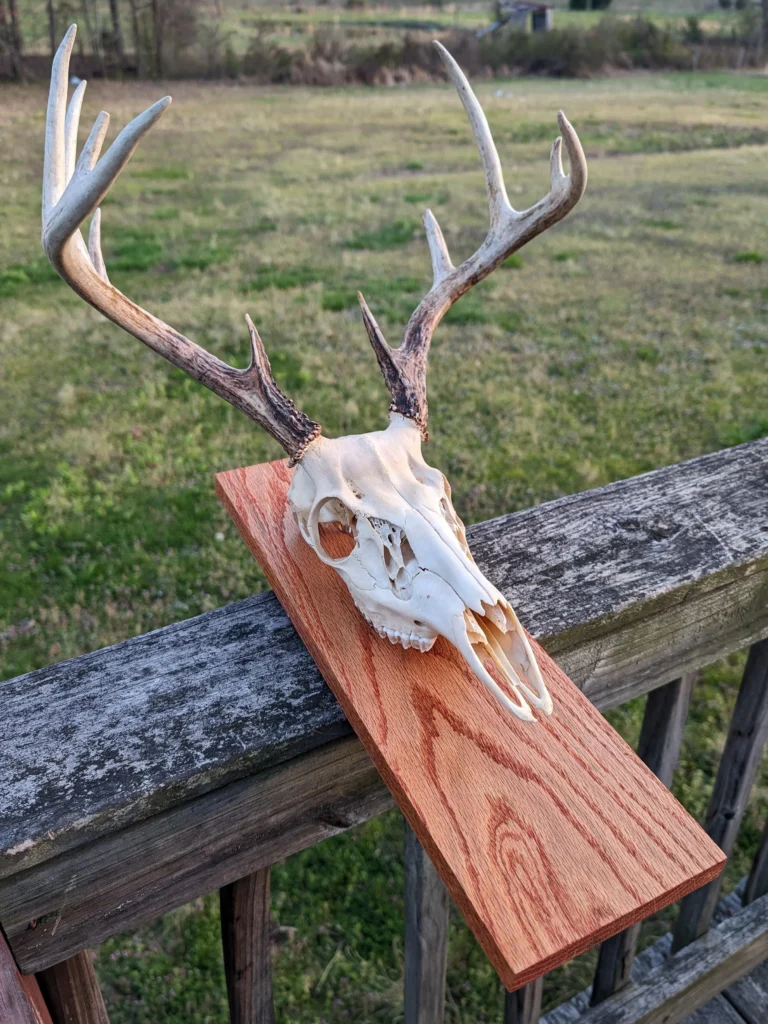
What is a European mount?
A European mount is a deer or other animal skull, cleaned and whitened, with the antlers or horns still attached, mounted for display without any skin. It focuses attention on the bone and the antlers, giving a clean, sculptural look that suits modern homes, cabins, lodges, and offices alike.
The style takes its name from old European hunting traditions, where the bare skull and antlers were displayed as a trophy. Compared with a full shoulder mount, which preserves the head, neck, and shoulders with the skin on, a European mount is simpler, more affordable, takes far less space, and has a timeless, understated look. It is now one of the most popular ways to display a deer skull, both for its appearance and because it can be done at home.
Where does the European mount come from?
The European mount takes its name from a hunting tradition that goes back centuries in Europe, where hunters displayed the bare, cleaned skull and antlers of their game rather than a full mounted head. The style spread as hunting and taxidermy grew through the nineteenth century.
In the earliest days, skulls were cleaned by boiling and then bleached, much as many people still do at home today. The introduction of dermestid beetles later in the nineteenth century gave taxidermists a way to clean a skull without heat that could damage it. The clean, skull-and-antlers look never went out of fashion, and today the European mount is more popular than ever, valued for its minimalist style and the fact that a hunter can create one at home. It carries the same meaning it always has: a lasting, respectful tribute to the animal and the hunt.
European mount vs. shoulder mount: which is better?
Neither is better; they suit different tastes, budgets, and spaces. A European mount is clean, minimalist, and cheaper, while a shoulder mount is lifelike and traditional but larger and more expensive.
Here is how they compare directly:
| Feature | European mount | Shoulder mount |
|---|---|---|
| What it shows | Clean skull and antlers | Head, neck, and shoulders with skin |
| Look. | Minimalist, sculptural | Lifelike, traditional |
| Space | Compact | Large |
| Cost | Low (can be DIY) | High (often several hundred euros) |
| Can you DIY it? | Yes. | Rarely |
| Best for | Modern and rustic interiors | Trophy rooms, lodges |
Products by Category
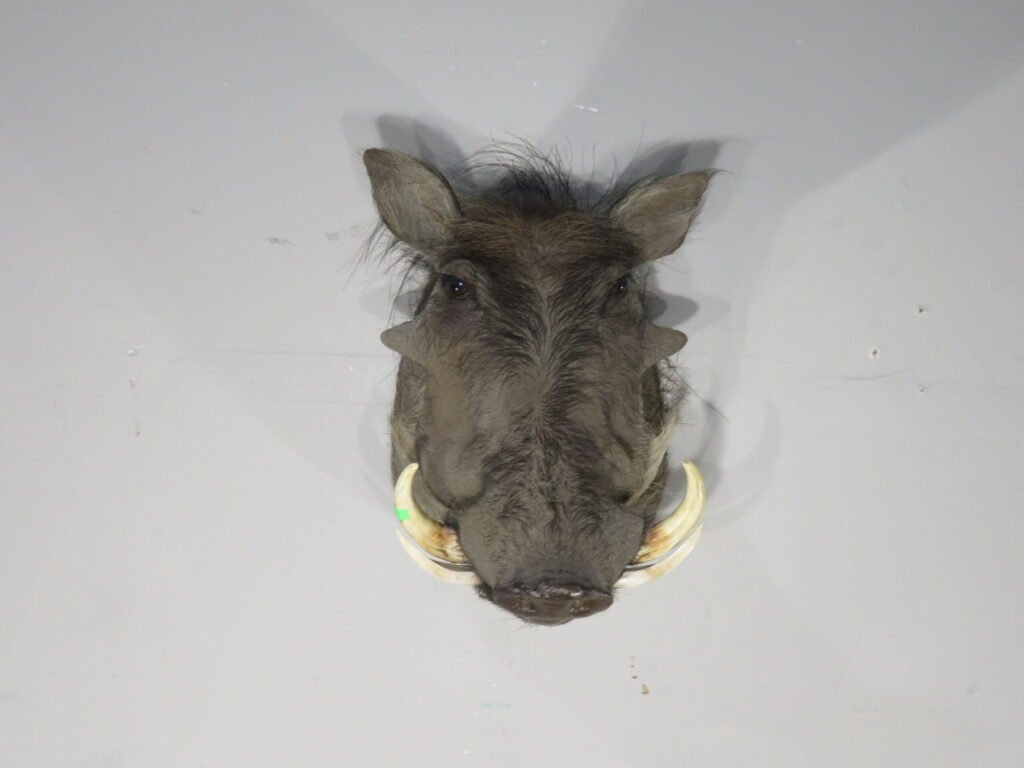
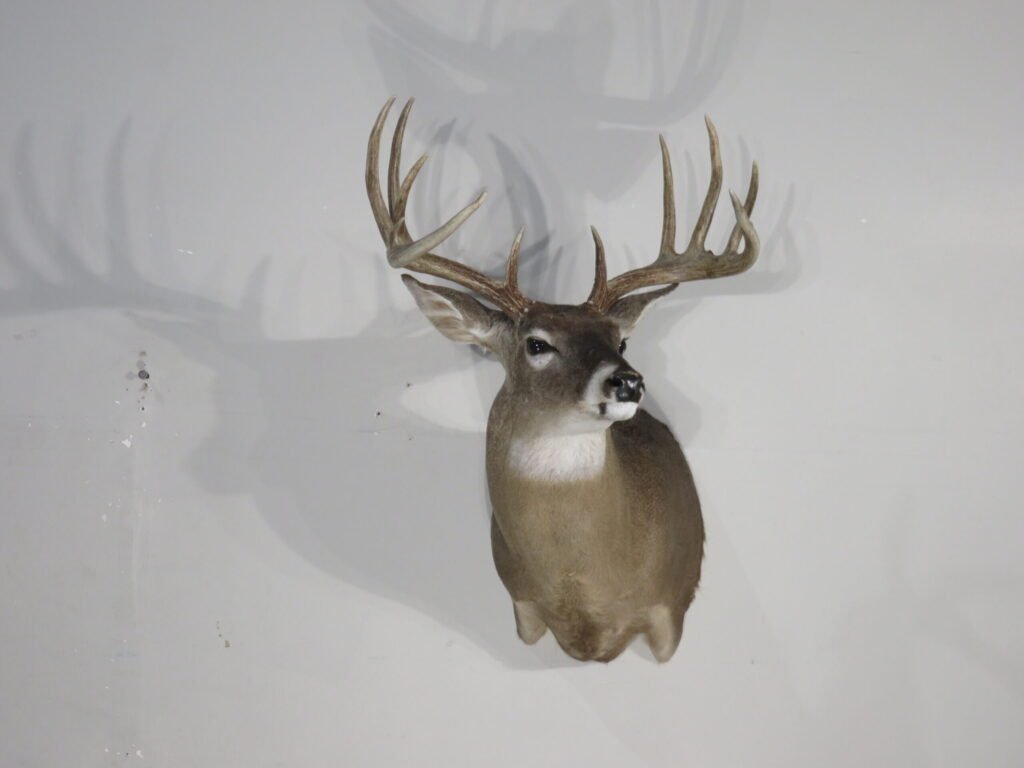

If you want a lifelike tribute and have the wall space and budget, a shoulder mount wins. If you want a clean, affordable trophy you can make yourself and display anywhere, the European mount is hard to beat. Our guide to trophy mounts covers every mount style in depth.
How to do a European mount: the four cleaning methods
There are four main ways to clean a skull for a European mount: simmering, dermestid beetles, maceration, and burial. Each removes the flesh so you are left with clean bone, and each has trade-offs in speed, cost, safety, and results.
Most competitor guides only teach the one method the author uses. Here are all four, compared, so you can choose the right one for you.
| Method | How it works | Time | Best for | Main risk |
|---|---|---|---|---|
| Simmering | Gentle heat in water and degreaser | Hours | Most people, fastest | Over-boiling damages bone. |
| Dermestid beetles | Flesh-eating beetles clean the skull. | Days to weeks | Perfect, undamaged results | Need a beetle colony |
| Maceration | Soaking in water lets bacteria do the work. | Weeks | Cheap, gentle, thorough | Slow and smelly |
| Burial | Bury the skull; soil organisms clean it | Months | Hands-off, no equipment | Slow, can stain or lose small bones |
European mount step by step
If you are doing a European mount yourself, here is the full process from start to finish, whichever cleaning method you choose. The steps are the same; only the flesh-removal stage differs.
- Remove the head from the carcass at the base of the skull, and take off the lower jaw (most European mounts display only the upper skull).
- Skin and rough-clean the skull, removing as much hide, flesh, eyes, and brain matter as you can by hand before cleaning. The more you remove now, the easier the next step.
- Clean the skull using your chosen method: simmering, dermestid beetles, maceration, or burial (see below).
- Degrease the skull thoroughly. Grease trapped in the bone yellows over time, so soak it in a degreasing solution until the bone stops leaching oil.
- Whiten with hydrogen peroxide, keeping it off the antlers.
- Dry and reassemble. Let the skull dry fully, and glue back any small bones (like loose teeth or nasal pieces) that came free.
- Mount the finished skull on a wall bracket, plaque, or pedestal.
Work outdoors or in a garage, not the kitchen; the smell of cleaning a skull lingers. Now here are the four cleaning methods in detail.
Method 1: Simmering (the most common)
Simmering is the fastest and most popular method and the one most home cooks use. You gently heat the skull in water with a degreaser until the flesh loosens and falls away.
The key word is “simmer,” not “boil.” Add a degreaser like dish soap or a scoop of oxygen bleach (such as OxiClean) to the water, keep it at a gentle simmer, and check often. Simmer a deer skull for roughly one to two hours, no more. Never add household bleach: it makes the bone brittle and causes it to crack and flake over time. The biggest mistake here is over-boiling, which softens the bone and makes the delicate nasal bones fall apart.
Method 2: Dermestid beetles (the taxidermist’s choice)
Dermestid beetles give the cleanest, most undamaged results, which is why professional taxidermists and museums use them. A colony of these flesh-eating beetles strips a skull to perfect bone without any heat that could crack it.
The catch is you need a beetle colony, which takes setup and maintenance, so this suits people doing many skulls rather than a one-off. The results, though, are the cleanest of any method for delicate skulls, because there is no boiling to damage the fragile nasal bones.
Method 3: Maceration (cheap and thorough)
Maceration means soaking the skull in water and letting natural bacteria break down the flesh. It is cheap, gentle on the bone, and produces very clean results, but it is slow and smells strongly.
You submerge the skull in water (some keep it warm to speed things up) and wait days to weeks, changing the water periodically. It is gentler than simmering because there is no heat to warp or crack the bone, but the smell means you will want to do it far from the house.
Method 4: Burial (the hands-off way)
Burial is the simplest method with no equipment: you bury the skull and let soil organisms clean it over months. It is completely hands-off but slow, and it carries a risk of staining the bone or losing small pieces like the nasal bones to the soil.
Many people bury a skull zip tie or wrap the nasal area first to protect it and bury it for a shorter period to limit staining. It is a fine choice if you are patient and want no mess indoors.
How to whiten a European mount skull
You whiten a cleaned skull with hydrogen peroxide, never household bleach. Peroxide brightens the bone to that clean white finish without weakening it, while bleach makes bone brittle and causes long-term cracking.
After the skull is clean and degreased, apply salon-strength hydrogen peroxide (often sold as 40 volume creme) to the bone, keeping it off the antlers, which should stay their natural color. Let it work, then rinse and dry. If any antler base gets lightened by accident, a little wood stain applied carefully with a cotton bud restores the color. The result is a bright white skull against natural antlers, the classic European mount look.
Why degreasing matters (the step most people rush)
Degreasing is the step that separates a mount that stays bright white from one that yellows within a year, and it is the one most beginners rush. Skull bone is porous and holds grease deep inside, especially in older or larger animals, and that grease slowly leaches out and discolours the bone.
After the flesh is removed, soak the skull in a degreasing solution; warm water with dish soap works, or a dedicated degreaser, and change it regularly until the bone stops releasing oil into the water. This can take days or even weeks for greasy skulls like bears or hogs, though a deer skull is usually quicker. It is tempting to skip straight to whitening, but a skull that is not fully degreased will yellow no matter how well you whiten it. Patience here is what gives a professional, lasting result.
How long does a European mount take?
The time depends entirely on your cleaning method, from a single afternoon to several months. Simmering is fastest; burial is slowest.
Here is a rough guide:
| Method | Cleaning time | Plus degreasing and whitening |
|---|---|---|
| Simmering | A few hours | 1 to 2 weeks total |
| Dermestid beetles | Days to weeks | Add degreasing and whitening. |
| Maceration | 1 to 4 weeks | Add degreasing and whitening. |
| Burial | 2 to 6 months | Add degreasing and whitening. |
Even the fastest method takes a week or two overall once you include proper degreasing and drying. If you want a finished mount quickly and without the work, buying a completed mount or a replica skull is the fast route.
Common European mistakes to avoid
Most failed European mounts come down to the same handful of mistakes, and every experienced mounter warns about them. Avoid these and you will get a clean result.
- Over-boiling: the number one mistake. Too much heat softens the bone and destroys the fragile nasal bones. Simmer gently, never hard-boil.
- Using household bleach: it makes bone brittle and causes cracking and flaking later. Use hydrogen peroxide to whiten instead.
- Losing the nasal bones: the thin bones in the nose break off easily during cleaning and burial. Handle gently and protect them.
- Whitening the antlers: keep peroxide off the antlers or horns; they should stay their natural color.
- Skipping degreasing: grease left in the bone yellows over time. Degrease thoroughly before whitening.
How much does a European mount cost?
A DIY European mount costs very little, often just the price of a degreaser and some peroxide, while paying a taxidermist to do one typically costs far less than a shoulder mount. It is one of the cheapest ways to preserve a trophy.
If you do it yourself, your main costs are a degreaser, hydrogen peroxide, and a mounting bracket or plaque to hang it. If you pay a professional, a European mount is usually a modest fee, a fraction of the several hundred euros a shoulder mount can cost. And if you want to buy a finished mount or a replica skull outright, the cost depends on the species and whether it is real bone or a reproduction. Our guide to taxidermy costs breaks down the full picture.
How to display a European mount
You display a European mount by hanging the skull on a wall bracket or plaque or by standing it on a pedestal or shelf. The clean skull-and-antlers look works in almost any room, which is part of its appeal.
The most common approach is a wall hanger: a bracket that screws into the back of the skull and onto a wall stud, letting the mount sit flush against the wall. Plaque mounts add a wooden backing for a more traditional look, and many can be engraved. The pedestal and shelf display let the skull stand free, viewable from more angles. Whichever you choose, make sure the fixing is rated for the weight, larger skulls with heavy antlers need a solid bracket and a wall stud. For more ideas, see our guide to displaying taxidermy, and to keep it looking its best, our taxidermy care guide.
European mounts for other animals: elk, moose, and more
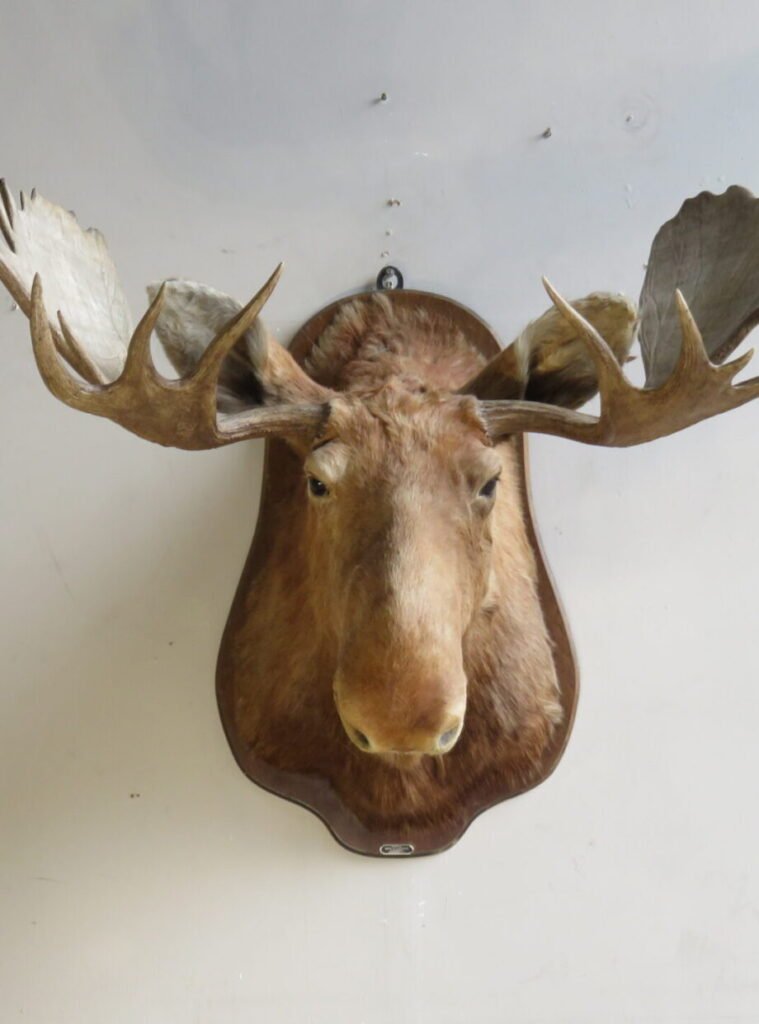
The European mount works for almost any antlered or horned animal, not just deer. Elk, moose, antelope, sheep, and many African species are all displayed this way, and the method is the same, scaled to the size of the skull.
Larger skulls simply need bigger equipment: an elk or moose skull needs a large pot or tub for simmering, or a longer maceration, and a heavier-duty wall bracket to hold the weight. The clean European style actually suits big antlers and horns especially well, letting the rack be the centrepiece. Elk European mounts are so popular that “European skull mount elk” is a common search in its own right.
Buying a European mount or replica skull
If you do not hunt, or you simply want the look without the work, you can buy a finished European mount or a replica skull ready to display. This is the option every DIY guide overlooks, and it suits collectors, decorators, and gift buyers.
A genuine finished mount is real, cleaned bone with antlers, ready to hang. A replica skull is an accurate reproduction, often more durable than real bone and available for species you could not otherwise source. Both give you the clean European look with none of the cleaning process. Browse our taxidermy mounts for sale for finished pieces, and see our guide to prehistoric and replica skulls to understand the real-versus-replica choice. Every specimen we sell is documented, ethically sourced, and ships worldwide in secure, insured packaging.

Frequently asked questions
What is a European mount?
A European mount is a cleaned, whitened animal skull with the antlers or horns still attached, displayed without any skin. It gives a clean, minimalist look and is a popular, affordable alternative to a full shoulder mount.
How do you do a European mount?
You remove the flesh from the skull using one of four methods, simmering, dermestid beetles, maceration, or burial, then degrease the bone, whiten it with hydrogen peroxide, and mount it on a bracket or plaque. Simmering is the fastest and most common method.
Should you boil a skull for a European mount?
Simmer, do not hard-boil. Gentle heat with a degreaser loosens the flesh, but boiling too hard softens the bone and destroys the delicate nasal bones. Keep it at a gentle simmer and check often.
How do you whiten a European mount?
Use salon-strength hydrogen peroxide (often 40-volume creme), applied to the clean, degreased skull, and kept off the antlers. Never use household bleach, which makes bone brittle and causes cracking.
How much does a European mount cost?
Done yourself; it costs very little, mainly degreaser, peroxide, and a bracket. A professional European mount is usually a modest fee, far less than a shoulder mount, which can run to several hundred euros or more.
Can you buy a finished European mount?
Yes. You can buy a finished real-bone mount or an accurate replica skull ready to display, which suits people who do not hunt or who want the look without the work. Replicas are durable and available for species you could not otherwise source.
What is the difference between a European mount and a shoulder mount?
A European mount is the clean skull and antlers with no skin, minimalist and affordable. A shoulder mount preserves the head, neck, and shoulders with the skin on, lifelike and traditional but larger and more expensive.
Display your trophy the clean way.
The European mount is the clean, timeless way to show a skull and antlers, affordable, space-saving, and doable at home with a simmer, some peroxide, and a little patience. Now you know every method, how to whiten and display it, what it costs, and how to avoid the mistakes that ruin a skull.
Would you rather buy or boil? Browse our taxidermy mounts for sale for finished mounts and replica skulls, all documented, ethically sourced, and shipped worldwide in secure, insured packaging. Questions about a specimen? Message us on WhatsApp, or contact us via email. We are happy to help.