
Bird Taxidermy: The Complete Guide
Bird taxidermy is the art of preserving and mounting a bird for lifelike display, and it is prized above all for color and delicacy. From a pheasant in full plumage to a duck, turkey, or owl, birds make some of the most beautiful mounts of all, but their fine feathers demand real skill. This guide covers the popular species, the poses and presentations, what bird taxidermy costs, the important law around protected birds, and how to preserve a bird so it can be mounted well.
This is a companion to our complete guide to taxidermy, focused specifically on birds. Browse finished pieces in our taxidermy birds collection.
What makes bird taxidermy special?
Bird taxidermy is prized for color, and it is also one of the most technically demanding kinds of the craft. A bird’s beauty is in its plumage, and feathers are delicate, easily damaged, and hard to clean and set. A skilled bird taxidermist can make a mount look ready to take flight; a poor one leaves it ruffled and lifeless.
Unlike mammals, birds have almost no muscle to sculpt, so the work is about wiring the wings, legs, and neck into a natural pose and arranging every feather correctly. The result, done well, is a mount of extraordinary delicacy and color, which is why birds have been favorites since the Victorian golden age of taxidermy.
Popular birds to mount
A handful of species dominate bird taxidermy, each for its own reason.
- Pheasant. The most popular game bird to mount, prized for its brilliant, iridescent plumage. Pheasant mounts are classic, in-standing, flying, or wall-mounted poses.
- Duck. Ducks and other waterfowl are hugely popular with hunters. Duck taxidermy captures the color of species like the mallard and wood duck, often in a landing or swimming pose.
- Turkey. A full-body turkey mount, with its fanned tail, is a dramatic and large piece, a favorite trophy for hunters.
- Owl. Owls are a favorite for their striking faces, though owls are protected in most places, so genuine owl taxidermy is usually antique or captive-bred with documentation.
- Dove, quail, and songbirds. Smaller favorites make delicate cabinet and dome pieces in the Victorian tradition.
Products by Category
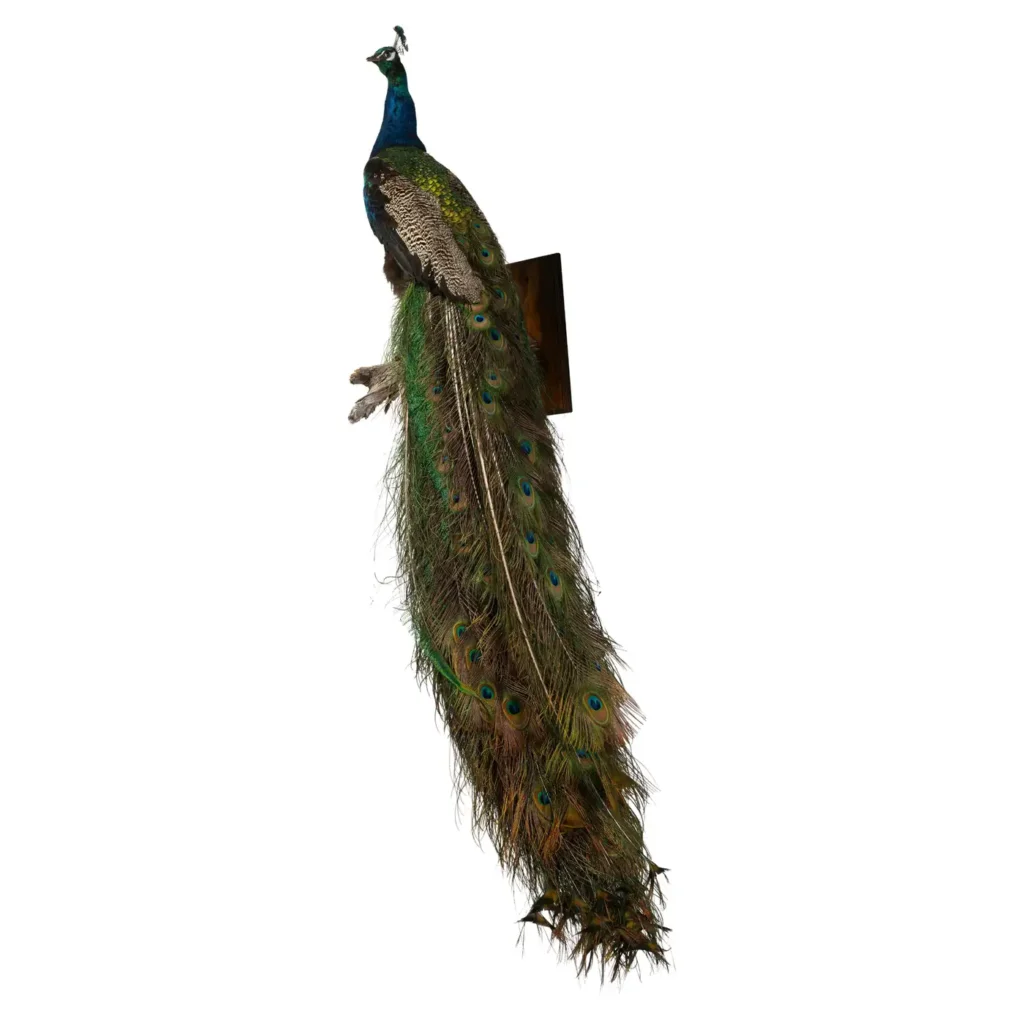
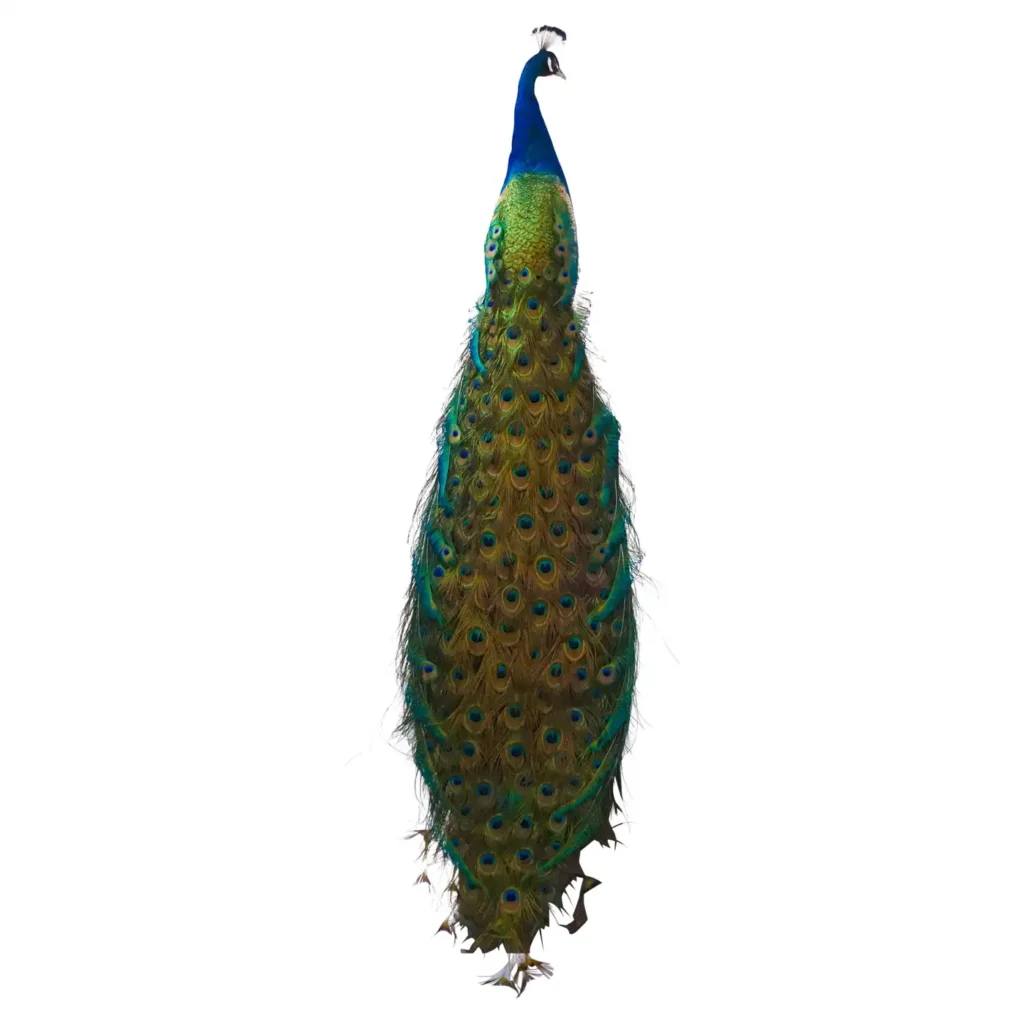
Browse examples in our taxidermy birds collection.
Bird mount poses and presentation
Pose is central to bird taxidermy because a bird’s character is in its movement. The main presentations are
- Standing mount. The bird perched or was standing naturally on a branch, base, or habitat setting.
- Flying mount. Wings spread as if in flight, often suspended or wall-mounted. A flying pheasant mount is a classic dramatic pose.
- Wall mount. The bird presented against a plaque or panel, ideal where floor space is limited.
- Cased and dome mounts. The Victorian tradition, with the bird under a glass dome or in a cased scene, which also protects the delicate feathers.
The pose sets the whole feel of the piece. A standing bird is calm and natural; a flying mount is full of movement and drama. When you buy or commission, choose the pose that suits both the bird and your space.
The law: protected birds you cannot own
This is the most important section for any bird taxidermy buyer, because birds are among the most heavily protected animals in the taxidermy world. Many wild birds cannot legally be owned, bought, or sold, even if found dead.
In the United States, the Migratory Bird Treaty Act protects most native wild birds, and it is illegal to possess them or their parts, including feathers, without a permit. The bald eagle and golden eagle are protected even more strictly, and owning eagle parts is illegal for most people. Similar protections exist in many countries for native and migratory birds.
What you generally can own are game birds taken legally in season, such as pheasant, duck and turkey, non-native and farmed species, and genuine antique specimens pre-dating current laws. What you generally cannot own are protected native songbirds, raptors like owls, hawks and eagles, and any wild migratory bird taken without a permit.
The rule is simple and strict: confirm a bird is legal to own where you live before buying, and buy only from sellers who document that a specimen is a legal game bird, a non-native species, or a documented antique. Our guide on whether taxidermy is ethical covers the law in more depth.
How much does bird taxidermy cost?
Bird taxidermy typically costs from the low to mid hundreds, depending on the species, size and pose. A small duck or dove costs less, while a full-body turkey mount, being large and complex with its fanned tail, sits at the higher end. A flying pose with spread wings often costs more than a simple standing mount, because it takes more work to wire and set.
Delicate feather work is what makes bird taxidermy skilled, so quality varies widely and is worth paying for. Our taxidermy cost guide covers pricing across all animals.
How to preserve a bird for taxidermy
If you have a legally taken game bird you want mounted, careful handling protects the feathers, which are everything in a bird mount. Good field care makes the taxidermist’s job possible.
Do not gut the bird in the field if you can avoid it. Handle it as little as possible to protect the plumage, and never carry it by the neck or drag it. Smooth the feathers back into place, tuck the head under a wing or into a nylon stocking or plastic bag to protect it, and keep the bird cool. To store it, slide the bird head-first into a stocking or tights to hold the feathers flat, then freeze it whole as soon as possible in a sealed bag to prevent freezer burn. Take clear photographs first if you can, as reference for the taxidermist.
Handled this way, a duck, pheasant or turkey can be frozen for months before mounting.
Real bird or replica?
Most bird taxidermy uses the real bird, since feathers cannot be convincingly reproduced the way a fish’s painted skin can. This is different from fish taxidermy, where replicas are common. For birds, the plumage is the whole point, and it must be the real thing.
The main exception is protected species, where a real mount would be illegal. For those, and for education or decor, a replica or artificial bird is the only lawful and ethical option. But for legal game birds, a real mount is standard and expected.
Caring for a bird mount
Bird mounts are among the most delicate taxidermy, so care matters. Keep them out of direct sunlight, which fades feathers badly. Dust gently with a soft brush or a hairdryer on a cool, low setting, always following the lie of the feathers, and never rub them. Watch closely for moths and dermestid beetles, which are especially damaging to feathers. A glass dome or case is the best protection of all, which is why so many antique bird mounts survive in cased form. Our guide to caring for taxidermy covers this in full.
Bird taxidermy and the Victorian tradition
Birds hold a special place in the history of taxidermy, and understanding it adds to their appeal. The Victorian era was the golden age of bird taxidermy, when mounted birds under glass domes filled parlours and studies across Europe. Firms produced elaborate cased displays, sometimes with dozens of birds arranged in naturalistic scenes, and these are prized antiques today.
The glass dome and case were not only decorative. They protected the delicate feathers from dust, light and pests, which is exactly why so many Victorian bird mounts survive in good condition while uncased pieces of the same age often do not. This tradition of the cased bird continues to influence how collectors display and protect bird taxidermy today, and a genuine Victorian cased bird is one of the most sought-after and ethical pieces you can own, since no modern bird is involved. Our cabinet of curiosities guide explores this world in more depth.
How to buy bird taxidermy
Buying bird taxidermy well comes down to a few steps, with legality front and centre.
- Confirm the species is legal. This matters more for birds than almost any other taxidermy. Stick to game birds, non-native species or documented antiques.
- Choose the species and pose. Match the bird and its pose, standing, flying or cased, to your space.
- Judge the quality. Look at the feather arrangement, the set of the eyes and the naturalness of the pose. Good bird taxidermy looks alert and unruffled.
- Check the condition. Look for feather damage, fading, and any sign of insect activity, especially on older pieces.
- Buy from a specialist who documents species and origin, so you know a piece is legal.
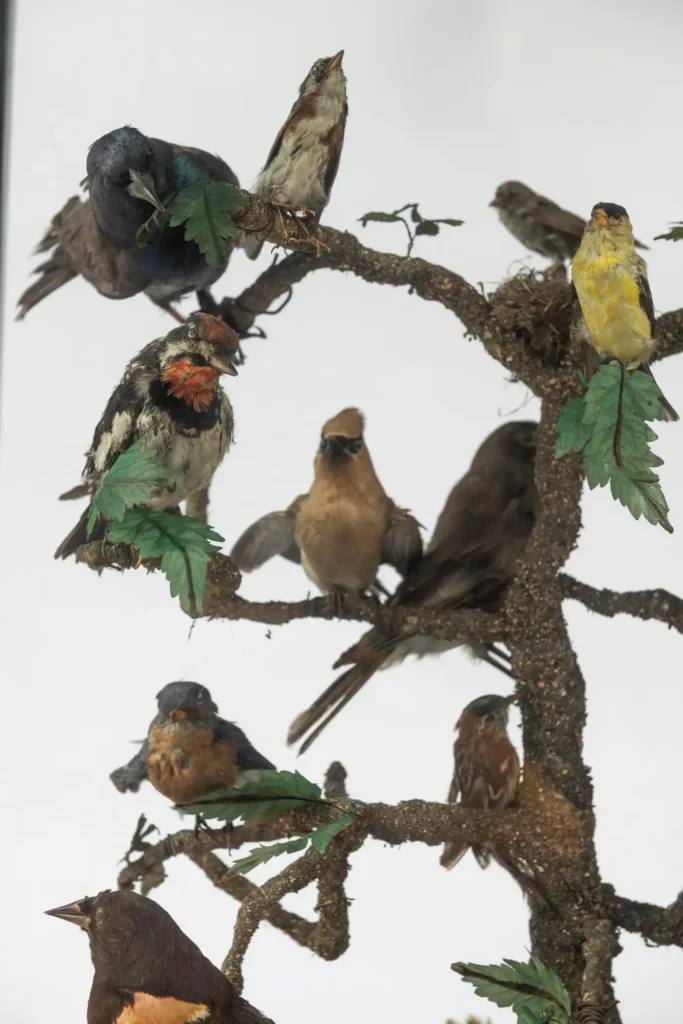
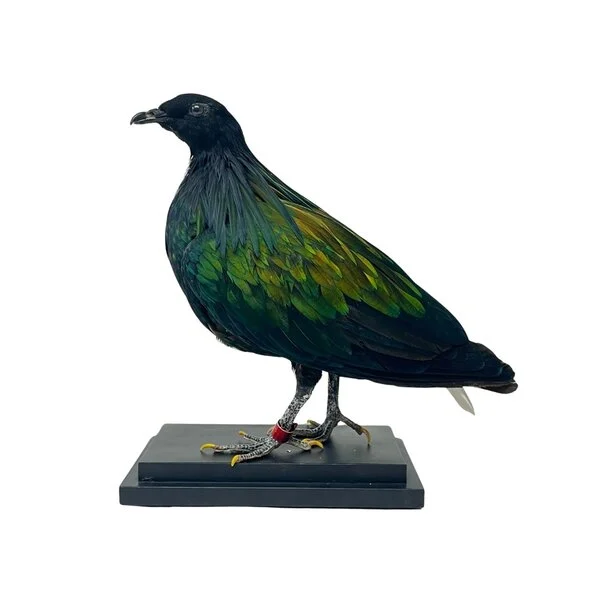
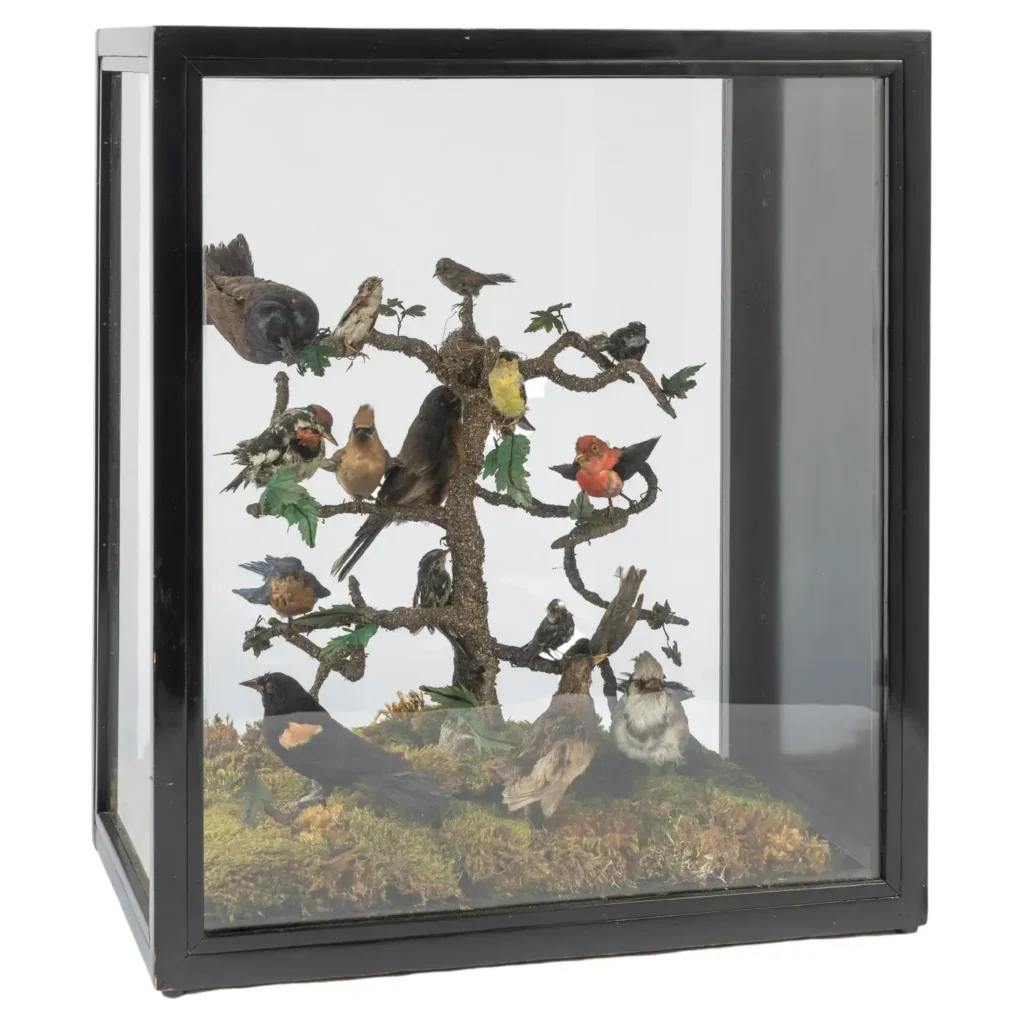
Browse our documented taxidermy birds collection, where every piece is responsibly sourced.
Understanding feathers: why bird mounts fade
It helps to understand feathers, because they explain both the beauty and the fragility of bird taxidermy. A bird’s colour comes from two sources: pigments in the feathers, and structural colour, where the microscopic surface of the feather scatters light to create iridescence. The shimmering green and copper of a pheasant, or the blue of a duck’s wing patch, are largely structural.
Pigment colours fade in sunlight over time, which is why bird mounts must be kept out of direct light. Structural colours are more stable but can dull as feathers become dusty or damaged. This is why gentle, regular dusting and protection from sunlight matter so much for a bird mount, and why a cased bird under glass keeps its colour far longer than an open mount. When you assess an antique bird, even fading and clean feathers signal good care; heavy fading or bald patches signal a piece kept badly. Knowing this makes you a sharper buyer and helps you keep your own mounts looking their best for decades.
Frequently asked questions
Is bird taxidermy legal?
It depends on the species. Legally taken game birds like pheasant, duck, and turkey; non-native species; and documented antiques are generally fine. Most wild native and migratory birds, and raptors like owls and eagles, are strictly protected and cannot be owned without a permit.
Can you own owl or eagle taxidermy?
Rarely. Owls, eagles, and other raptors are strictly protected in most countries. Owning eagle parts is illegal for most people. Any genuine owl mount is usually an antique or a documented captive-bred specimen, and eagle taxidermy is generally prohibited.
What is the most popular bird to mount?
The pheasant, prized for its brilliant plumage, is the most popular game bird to mount. Ducks and turkeys are also very common, especially among hunters.
How much does bird taxidermy cost?
Typically from the low to mid hundreds, depending on the species, size, and pose. A full-body turkey mount costs more than a small duck or dove, and a flying pose costs more than a standing one.
How do you preserve a bird for taxidermy?
Handle it as little as possible to protect the feathers, smooth the plumage, protect the head, slide the bird into a stocking to hold the feathers flat, and freeze it whole in a sealed bag as soon as possible.
Can bird taxidermy be done with a kit?
Yes, for legal game birds. A duck taxidermy kit or similar bundle contains the form, wire, and materials for a first project. Birds are delicate, though, so they are a challenging subject for beginners.
Why is bird taxidermy so delicate?
Because a bird’s beauty is entirely in its feathers, which are fragile, hard to clean and set, and easily damaged. Wiring the bird into a natural pose and arranging every feather correctly takes real skill.
Explore bird taxidermy
Bird taxidermy captures colour and movement like no other kind, from a brilliant pheasant to a dramatic flying mount. Just remember that birds are heavily protected, so always confirm a species is legal to own. Browse our taxidermy birds collection, or read the complete guide to taxidermy for the wider picture. Every piece we sell is responsibly sourced and documented, and ships worldwide in 3 to 5 days.