
Antlers and Horns: The Complete Guide
Antlers and horns are among the most collected natural objects, prized for their form, their science, and their place in decor. The key difference is simple: antlers are bone that is grown and shed every year, while horns are permanent structures of bone covered in keratin. This guide explains the difference in full, then covers the main types, sheds versus mounts, decor uses, value, and the law, so you can understand and buy antlers and horns with confidence.
This is a companion to our complete guide to taxidermy, focused specifically on antlers and horns.
Products by Category
-
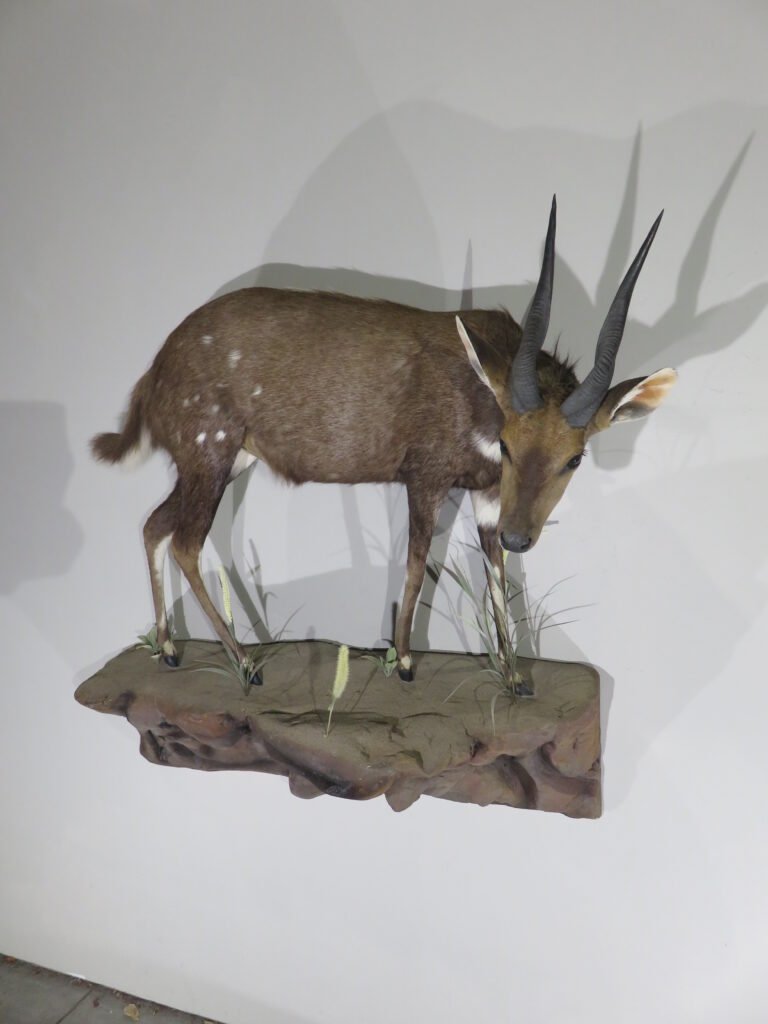
African Bushbuck Life-Size Mount (Tragelaphus scriptus)
-
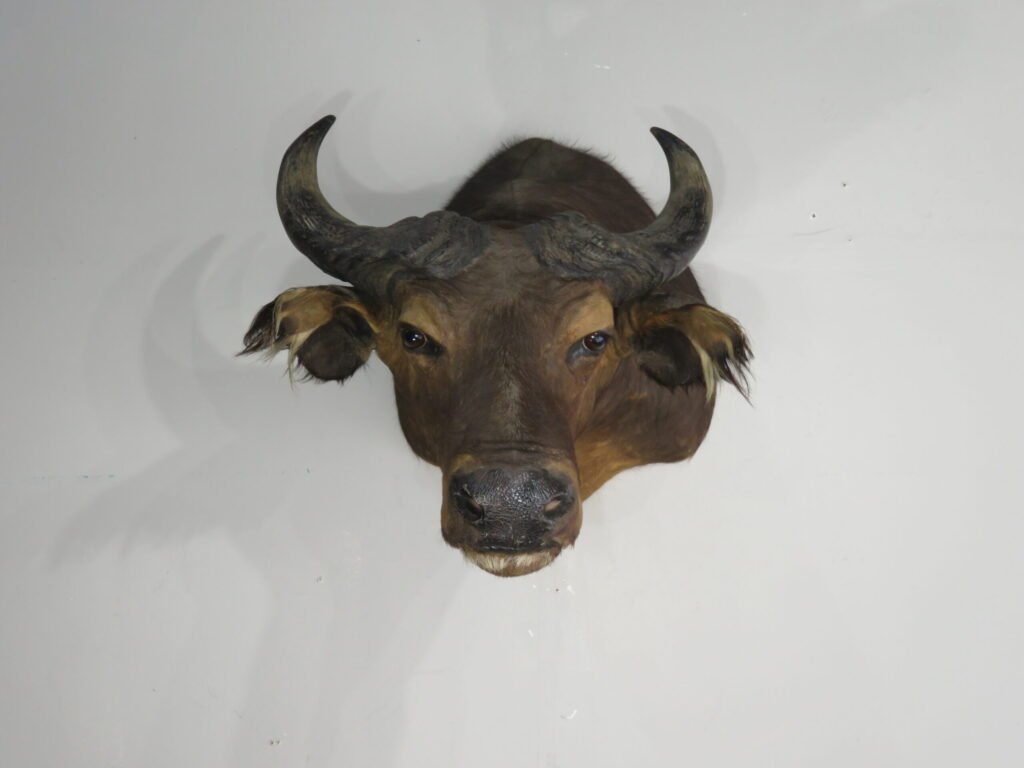
African Forest Buffalo Shoulder Mount (Syncerus caffer nanus)
-
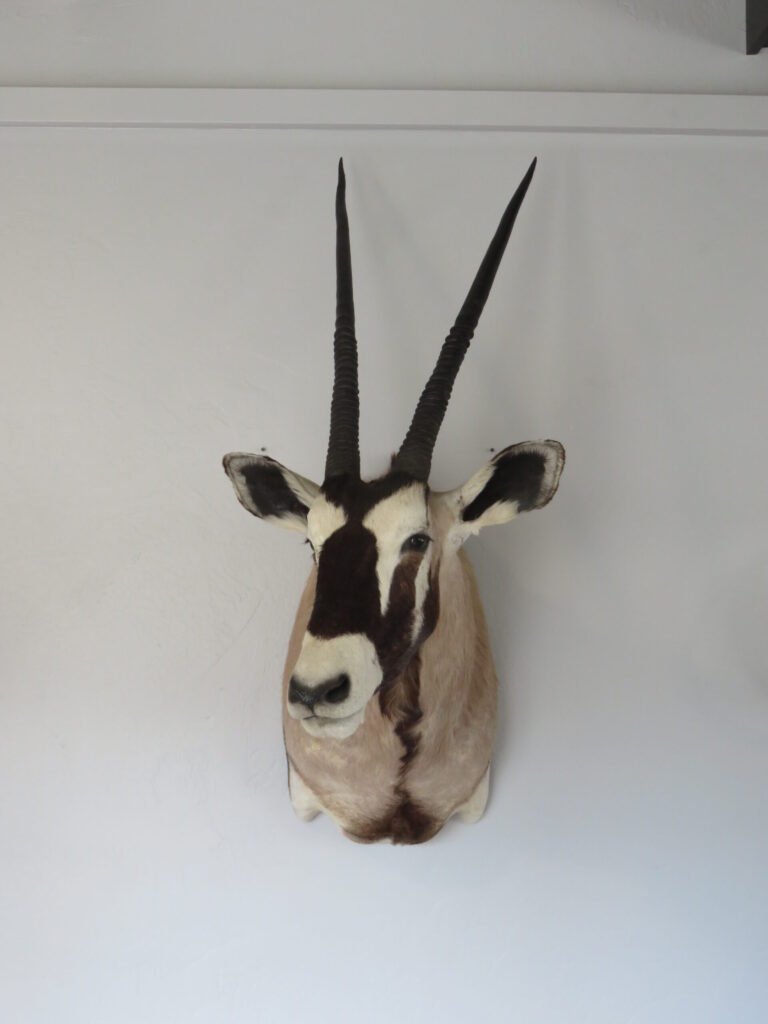
African Gemsbok Shoulder Mount (Oryx gazella)
-
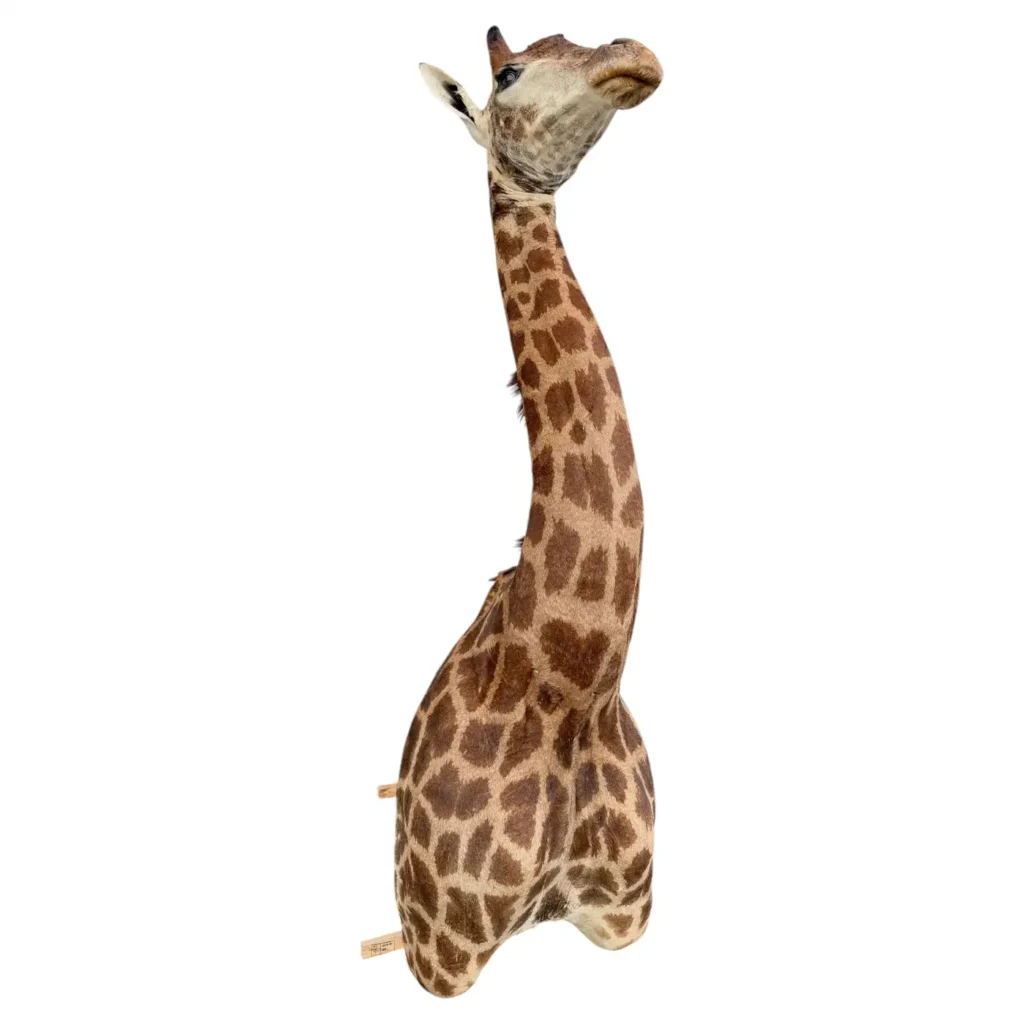
African Giraffe Shoulder Mount on Custom Wooden Base (Giraffa camelopardalis)
-
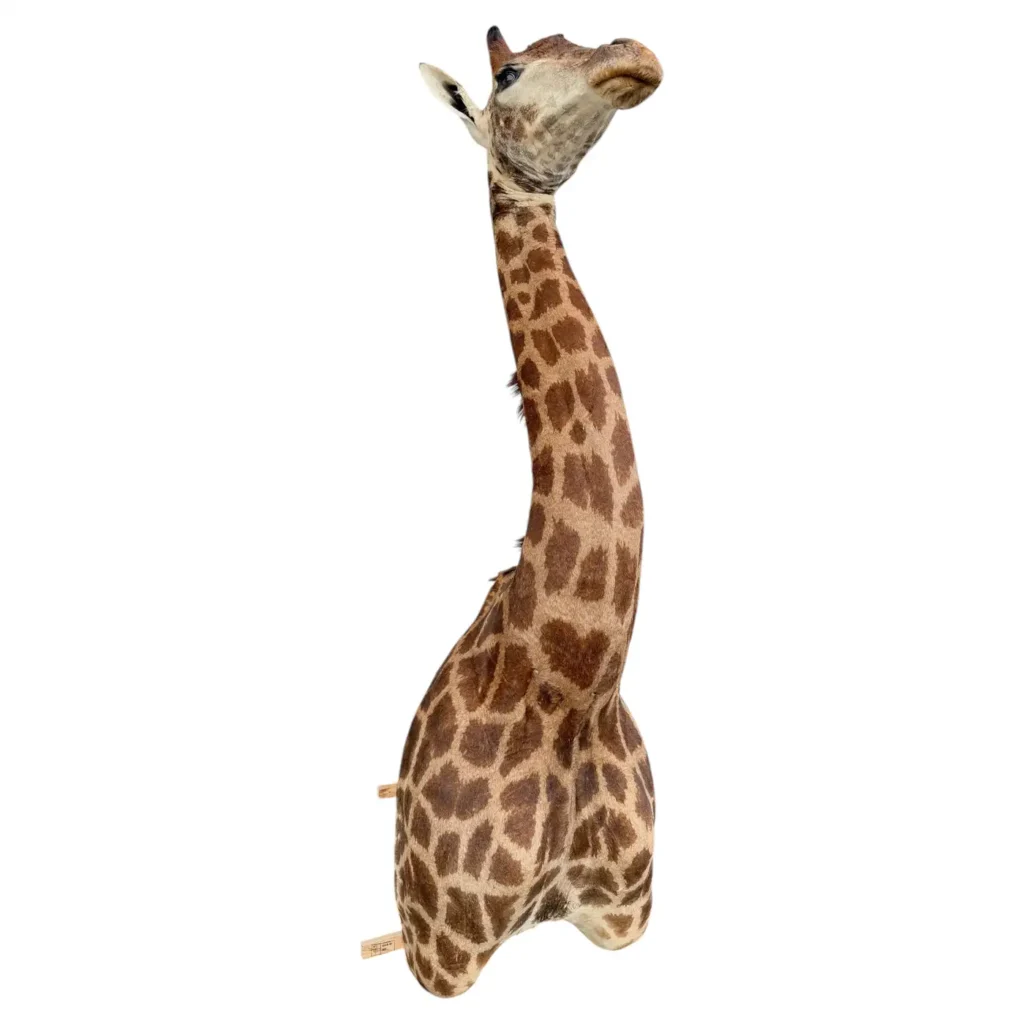
African Giraffe Taxidermy Shoulder Mount, 1980s (Giraffa camelopardalis)
-
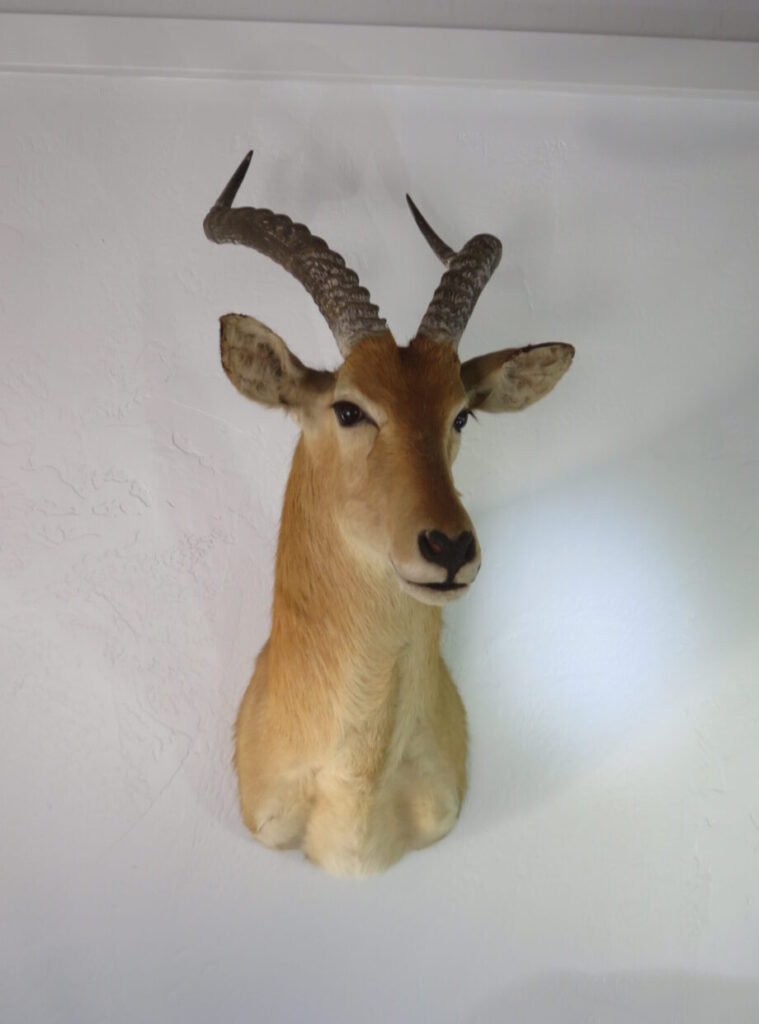
African Puku Taxidermy Mount (Kobus vardonii)
-
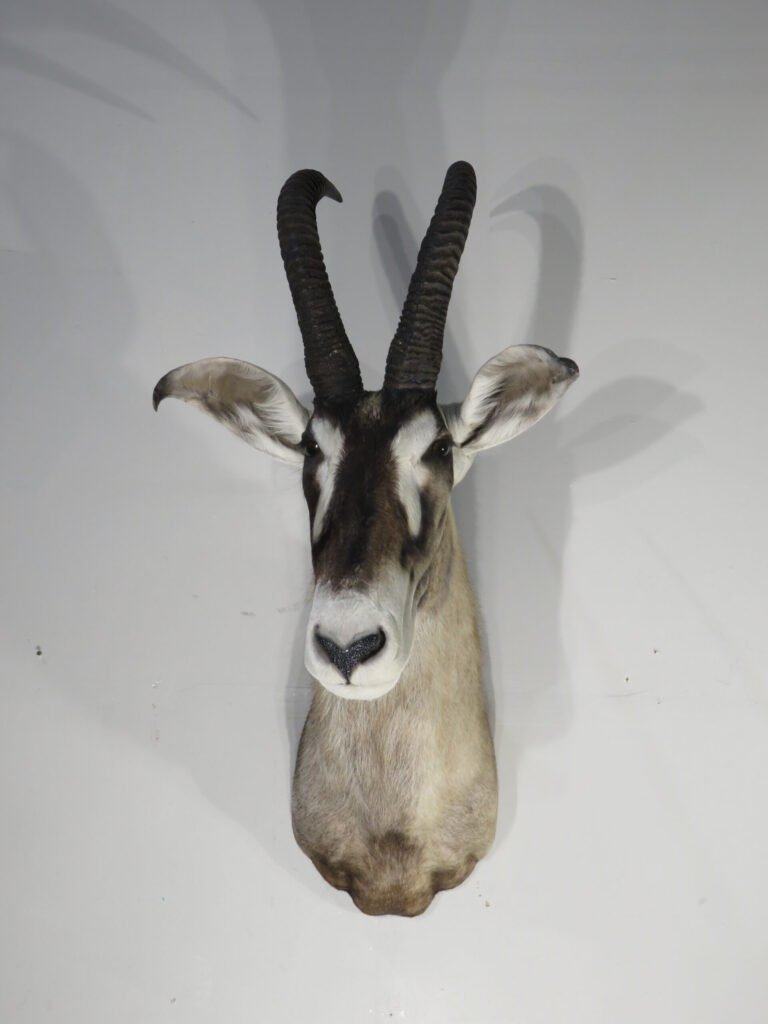
African Roan Antelope Trophy Mount (Hippotragus equinus)
-
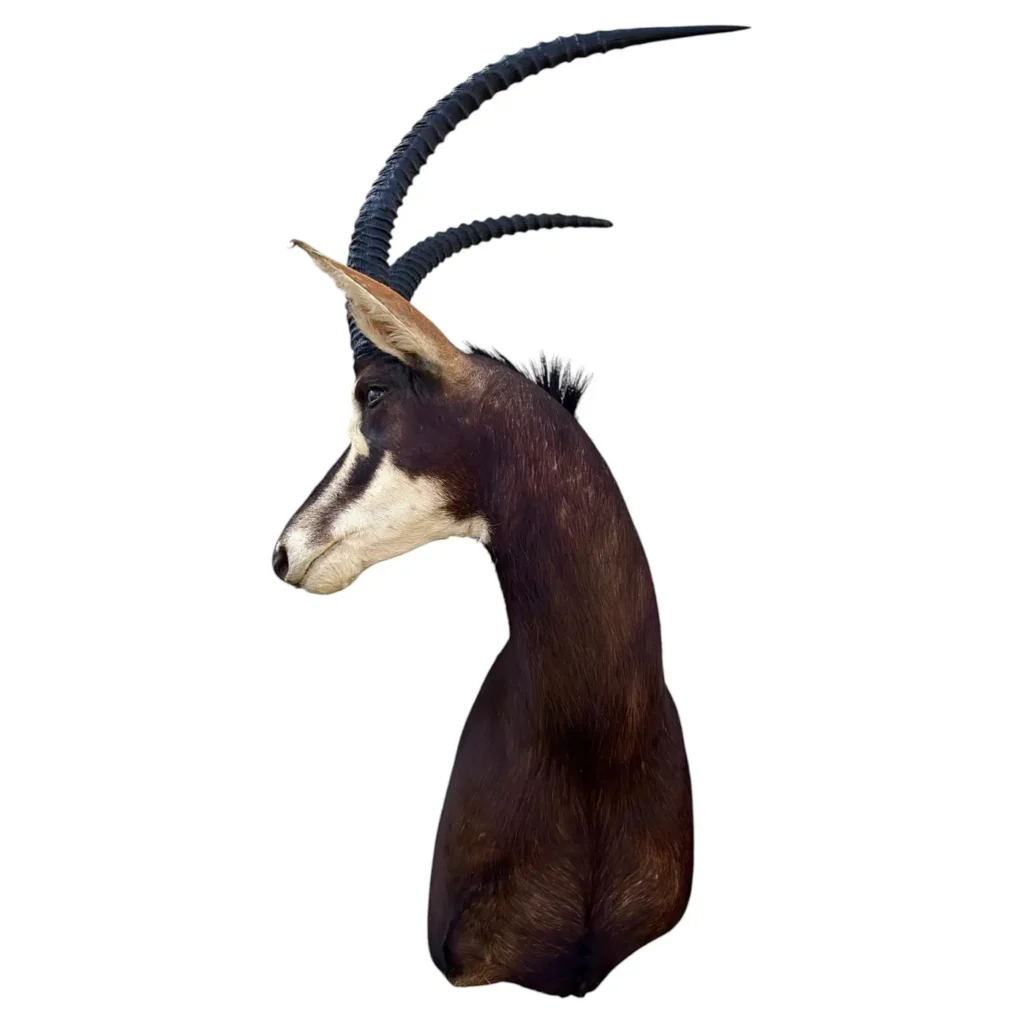
African Sable Antelope 5ft Safari Shoulder Mount (Hippotragus niger)
-
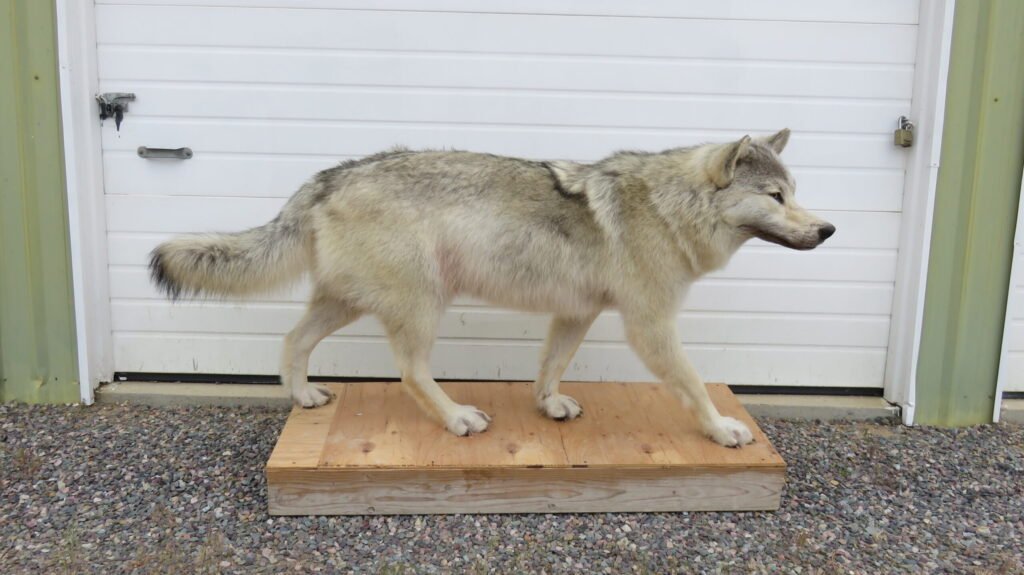
Alaskan Wolf Life-Size Mount (Canis lupus)
Antlers vs horns: what is the difference?
Antlers and horns are often confused, but they are biologically very different. Understanding this is the foundation of collecting them.
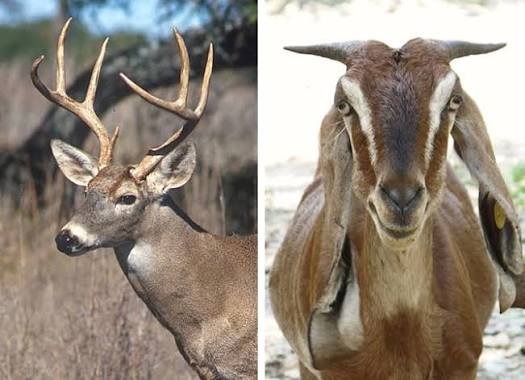
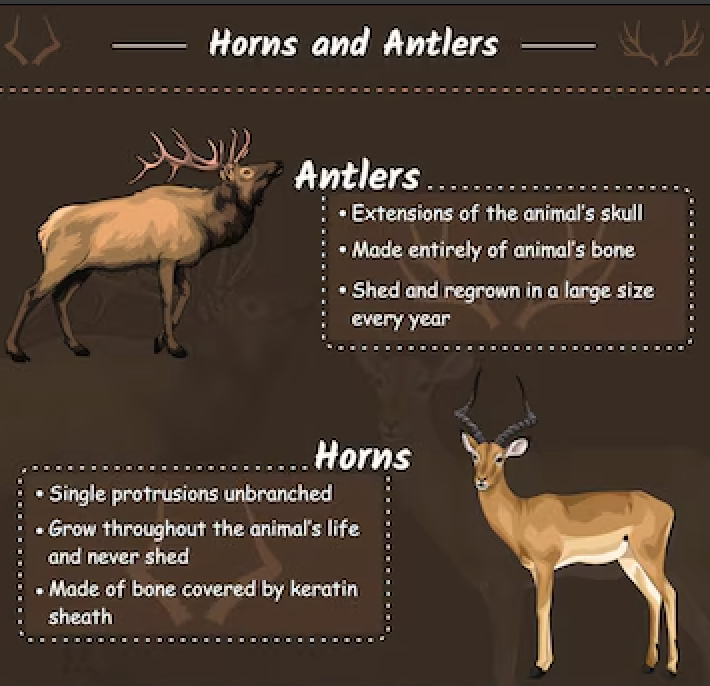
Antlers are made of bone. They grow from the skull, branch as they develop, and are shed and regrown every single year. Only members of the deer family grow antlers, including deer, elk, moose and caribou, and in most species only the males. While growing, antlers are covered in a soft, blood-rich skin called velvet, which is shed once the antler hardens.
Horns are permanent. They have a bony core covered in a sheath of keratin, the same material as your fingernails, and they are never shed. They grow throughout the animal’s life and do not branch. Cattle, sheep, goats, antelope and buffalo all have horns, and in many species both sexes carry them.
| Feature | Antlers | Horns |
|---|---|---|
| Made of | Bone | Bony core with keratin sheath |
| Shed each year | Yes. | No, permanent |
| Branched | Yes. | No |
| Which animals | Deer family only | Cattle, sheep, goats, antelope |
| Velvet stage | Yes. | No |
So a whitetail deer, an elk and a moose grow antlers. A buffalo, a ram, and a gemsbok grow horns. The rhinoceros is the odd one out: its “horn” is made of compacted keratin with no bony core at all.
Do deer, elk, and moose shed their antlers?
Yes. All members of the deer family shed and regrow their antlers every year, and this is one of the most searched questions about them. In late winter or early spring, a drop in testosterone causes the antlers to loosen and fall off, a process called casting. New antlers begin growing almost immediately, covered in velvet, and harden into full new antlers by autumn.
This annual cycle is why her shed antlers exist as a collectable. Every year, wild deer, elk, and moose drop their antlers, and people gather these naturally shed antlers, an activity known as shed hunting. Shed antlers are one of the most ethical natural objects you can collect, because the animal was never harmed and simply grew a new set.
Types of antlers and horns collectors want
Some antlers and horns are far more sought after than others. Here are the ones that dominate the market.
- Deer antlers. The most collected of all. Whitetail and mule deer antlers, and the whole skull with antlers, are hugely popular for both collecting and decor.
- Elk antlers. Large, dramatic, and prized for both display and craft use. Elk sheds are a shed-hunter’s trophy.
- Moose antlers. The broad, palmated antlers of a moose are among the most impressive natural objects a collector can own, and moose antlers are the single most searched in this category.
- Horns. Buffalo, cow, ram, and exotic antelope horns are collected for rustic decor and craft. Long, sweeping horns like those of the gemsbok or kudu are especially striking.
Sheds vs. mounted antlers
There are two main ways antlers reach a collector, and they mean different things.
Shed antlers are found naturally after an animal drops them. A matched pair of sheds from the same animal is prized, though singles are far more common since the two antlers rarely fall in the same place. Sheds are ethical and legal in most places and a favorite for decor and craft.
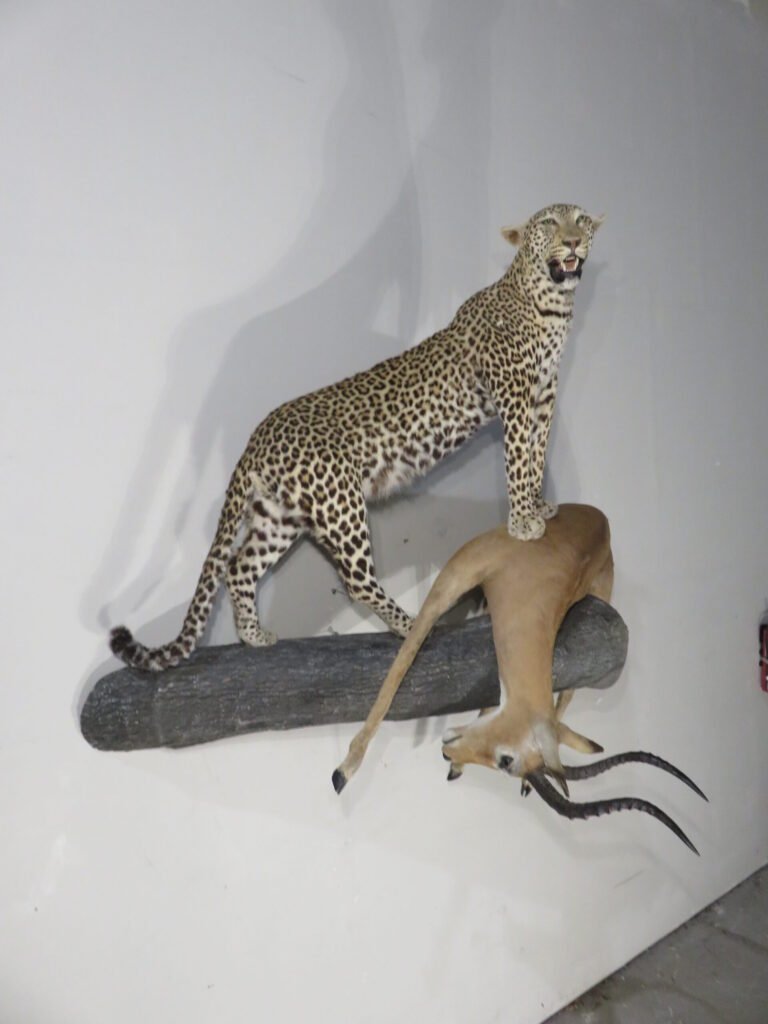
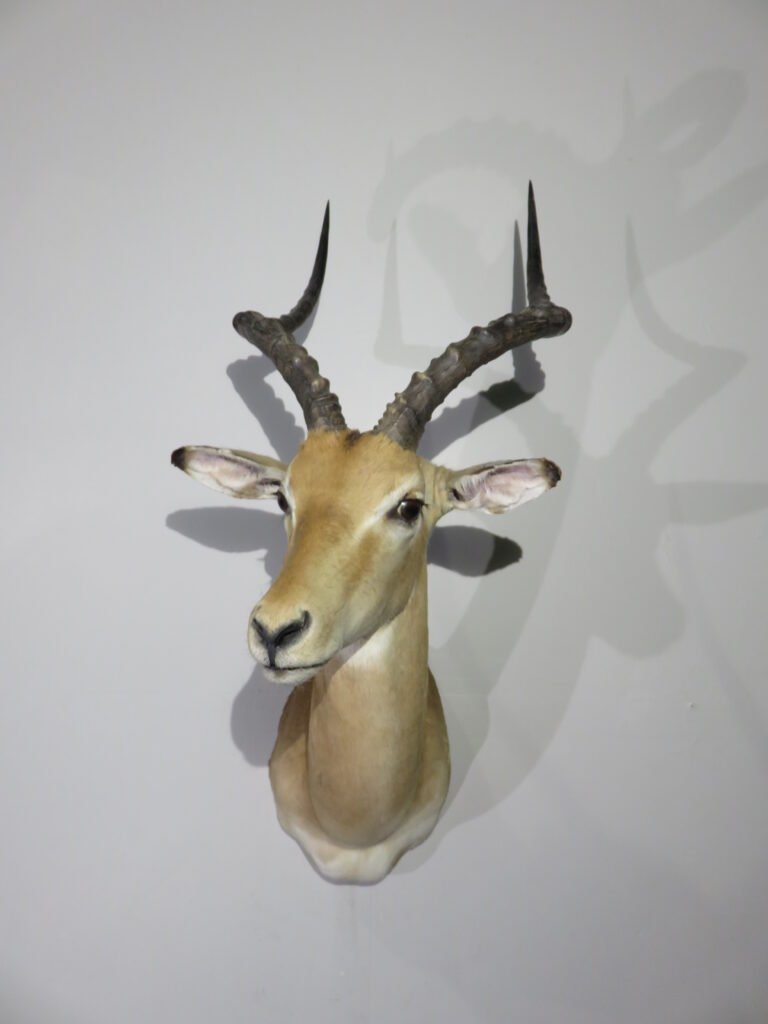
Mounted antlers are attached to the skull. A European mount presents the cleaned skull with the antlers attached, while an antler mount or skull cap mount keeps just the top of the skull and the antlers on a plaque. A deer skull with antlers, mounted this way, has become a hugely popular modern alternative to a full shoulder mount. See our animal skulls guide and trophy mounts guide for more.
Antlers and horns in decor
Antlers and horns have become a mainstay of interior design, especially in rustic, lodge, farmhouse, and modern-natural styles. Their sculptural branching form works as wall art, on a mantel, or built into lighting and furniture.
Popular uses include a mounted deer skull with antlers as a wall centrepiece, loose sheds arranged on a shelf or in a bowl, antler chandeliers and candle holders, and horns as bookends or rustic accents. The natural color and texture of bone and keratin suit warm, earthy interiors. A single large moose or elk antler can anchor a room on its own. Our guide to displaying taxidermy covers placement and styling.
Antler velvet and the growth cycle
The way antlers grow is one of the fastest tissue growth processes in the animal kingdom, and it is worth understanding because it explains a lot about what collectors find. As antlers grow through spring and summer, they are covered in velvet: a soft, blood-rich skin that supplies the nutrients to build bone at remarkable speed. A bull moose can grow a full set of massive antlers in a single season.
Once the antlers reach full size and harden, the velvet dies and is shed, often helped along as the animal rubs its antlers against trees. This is why you occasionally see mounts and photographs of antlers still in velvet, which have their own appeal, and why the timing of a shed or a hunt determines whether the antlers are hard bone or still velvet-covered. Velvet antlers are more fragile and are prepared differently, which makes them a distinct, less common collectable.
Shed hunting: gathering antlers ethically
Shed hunting, searching for naturally dropped antlers, has grown into a popular outdoor pursuit, and it is one of the most ethical ways to collect. Because the animal drops its antlers naturally and grows a new set, no animal is harmed, and a found shed is simply a gift the landscape offers each spring.
Sheds are usually found where deer, elk, and moose spend late winter: feeding areas, bedding sites, and the trails between them. The best time to look is early spring, just after the antlers drop and before rodents and weather degrade them. Serious shed hunters know that antlers left too long are gnawed by mice and squirrels for their minerals or bleached by the sun, so freshness matters. If you shed hunt, remember that access rules apply: many protected and public lands have permits or seasons, and some ban it entirely to avoid disturbing wildlife in a vulnerable season.
What drives the value of antlers and horns?
A few factors set the value of any antler or horn, whether you are buying or selling.
- Species and size. Larger antlers command more. A big moose or elk rack is worth far more than a small deer antler.
- Score and symmetry. For trophy antlers, the point count, spread, and symmetry drive value, measured by systems like Boone and Crockett.
- Matched pairs. A matched set of sheds from the same animal is worth more than two singles.
- Condition and color. Fresh, richly colored antlers beat old, sun-bleached, or chewed ones. Rodents gnaw sheds for minerals, which damages them.
- Presentation. A well-prepared European or antler mount is worth more than a bare, unmounted skull.
Antlers are also sold by weight for craft and dog-chew markets, where grade and freshness set the price.
The law: what to know before buying
Most antlers and horns are legal to own, buy, and sell, but there are important exceptions, and the rules depend on species and origin.
Shed antlers from common species like deer and elk are generally unrestricted, which is part of their appeal. However, collecting sheds on protected or public land can require permits or have seasons, so check local rules before shed hunting. Horns and antlers from CITES-listed or protected species carry the same restrictions as the animal itself. Some regions regulate the sale of parts from native game to deter poaching, so selling antlers still attached to a skull can differ legally from selling loose sheds.
The practical rule is simple: confirm the species, confirm the item was lawfully obtained, and confirm you can legally own and sell it where you live. A reputable seller documents origin. Our guide on whether taxidermy is ethical covers sourcing and the law in more depth.
How to care for antlers and horns
Antlers and horns are durable, but a little care keeps them looking their best.
- Keep them out of prolonged direct sunlight, which bleaches and dries them.
- Avoid very dry environments, which can cause cracking over time, especially in horn.
- Dust with a soft, dry cloth or brush. For a natural sheen on antlers, a little care oil can be used sparingly.
- Do not soak or wash them, and avoid harsh cleaners.
- Store or display them away from dogs, which will chew antlers given the chance.
Well-kept antlers and horns last indefinitely.
How to buy antlers and horns
Buying well comes down to a few clear steps.
- Decide on sheds or mounting. Loose sheds for decor and craft, or a mounted skull with antlers for a wall centrepiece.
- Choose the species and size. Match the antler or horn to your space and budget.
- Check condition. Look for good color, no cracks, and minimal rodent damage.
- Confirm provenance and legality. Ask about origin and whether the species is protected.
- Buy from a specialist. A dedicated dealer documents origin and prepares mounts properly.
Browse antlered skulls and mounts in our taxidermy mammals collection and skull specimens in our mammal osteology collection.
Frequently asked questions
What is the difference between antlers and horns?
Antlers are bone, branched, and shed and regrown every year by the deer family. Horns are permanent, unbranched structures with a bony core and a keratin sheath, grown by cattle, sheep, goats, and antelope.
Do elk and deer shed their antlers?
Yes. All members of the deer family, including deer, elk, and moose, shed their antlers every year in late winter or early spring and grow a new set, which hardens by autumn.
Are shed antlers legal to collect?
In most places, yes, for common species. But collecting on protected or public land may need a permit or have a season, and protected species carry restrictions. Check your local rules before shed hunting.
What are the most valuable antlers?
Large, symmetrical antlers from big species like moose and elk, and high-scoring trophy racks, are the most valuable. Matched shed pairs from the same animal command a premium.
Can you sell deer antlers?
Loose shed antlers from common species can usually be sold freely. Antlers still attached to a skull, or from protected species, may be regulated. Confirm your local law before selling.
Do horns grow back if removed?
No. Unlike antlers, horns are permanent and do not regrow if the horn sheath and core are removed. This is a key difference between horns and antlers.
What animals have antlers vs horns?
Only the deer family, deer, elk, moose, and caribou have antlers. Cattle, sheep, goats, antelope, and buffalo have horns. The rhino is unusual, with a horn made purely of keratin and no bony core.
Explore antlers and horns.
Whether you want loose sheds for decor or a mounted skull with a full rack, antlers and horns bring the texture of the natural world into any space. Browse our taxidermy mammals and mammal osteology collections, or read the complete guide to taxidermy for the wider picture. Every piece is responsibly sourced and ships worldwide in 3 to 5 days.