Pedestal Mounts: The Complete Guide to Deer Pedestal Mount Ideas and Display
A pedestal mount is a taxidermy display where the mount sits on a freestanding base rather than hanging flat on the wall, letting you view the animal from more than one angle. It gives a bold, museum-style presentation that suits a trophy buck, a centerpiece in a room, or any mount you want seen in the round. This guide covers everything: what a pedestal mount is, wall versus floor pedestals, the best poses and display ideas, how to choose one, and where to buy a finished pedestal mount.
Whether you are deciding how to have your own trophy mounted, or you want to buy a ready-made pedestal piece, you will find every option here. Let’s get into it.
What is a pedestal mount?
A pedestal mount is a taxidermy mount set on a solid, freestanding base instead of a wall plaque, so it can be viewed from multiple angles. The base is usually a turned wooden column, a driftwood or barnwood post, or a metal stand, and the mount sits on top as a standalone display piece.
Unlike a traditional wall mount, which shows the animal from the front only, a pedestal mount is designed to be seen in the round, more like a sculpture. It can stand on the floor as a centrepiece or on a table, shelf, or desk in smaller forms. Pedestal mounts are especially popular for trophy deer, because the freestanding base gives the antlers and head real presence and lets the taxidermist pose the animal in a lifelike, dynamic way.
Products by Category
-
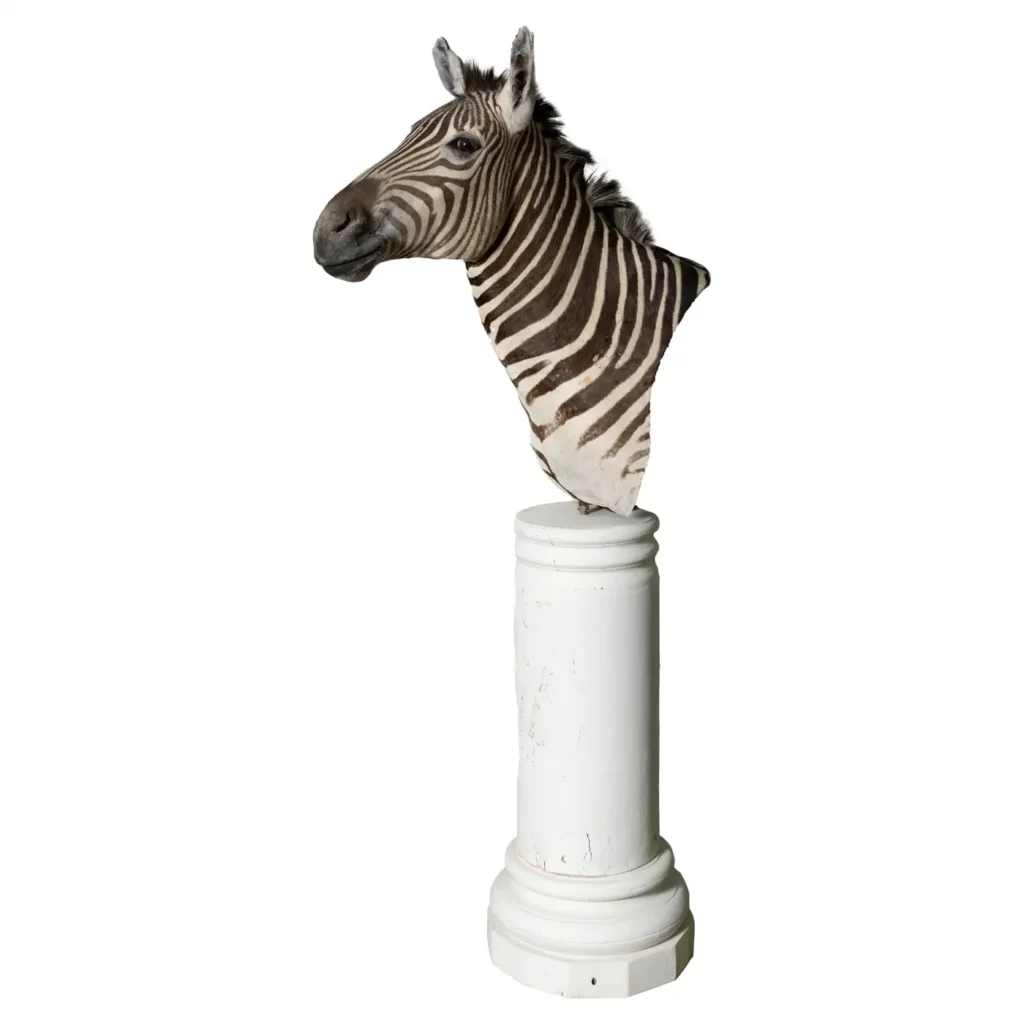
Burchell’s Zebra Premier Quality Shoulder Mount (Equus quagga burchellii)
-
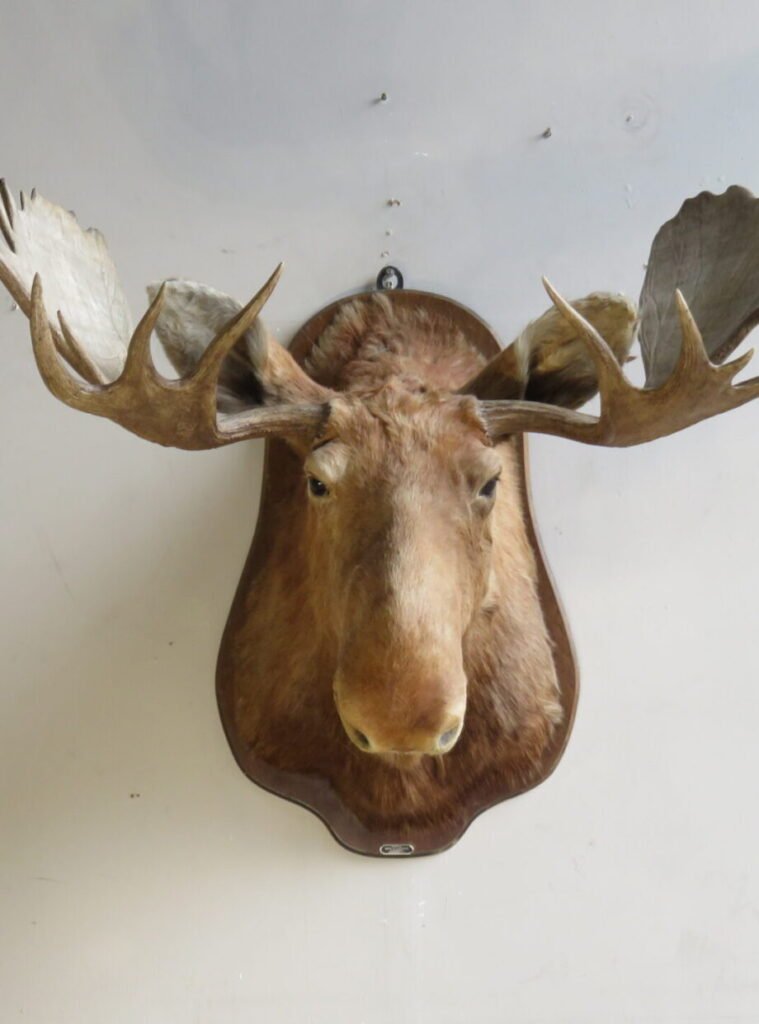
Canadian Moose Shoulder Mount, 49″ Rack (Alces alces)
-
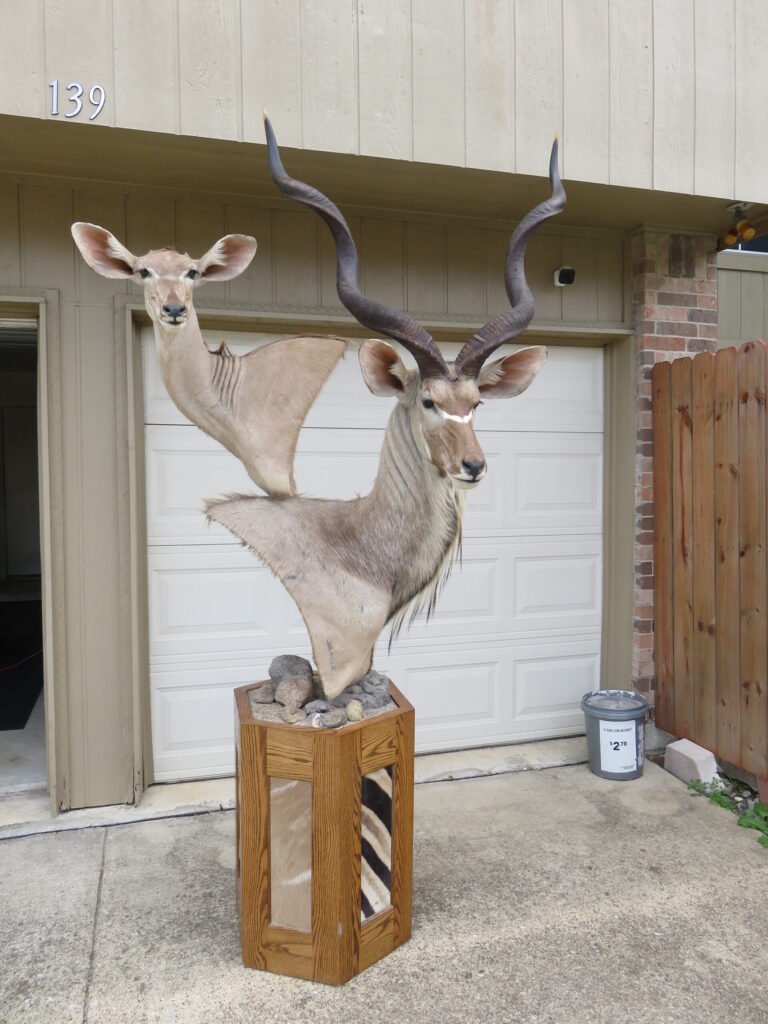
Greater Kudu Pair Shoulder Mount (Tragelaphus strepsiceros)
-
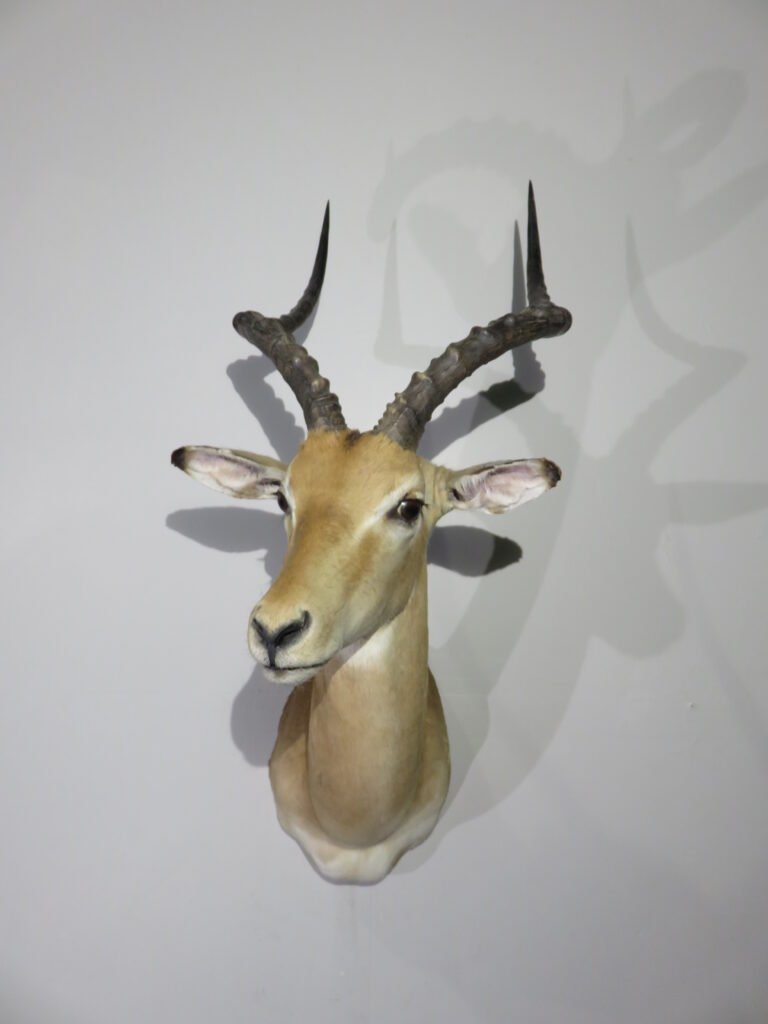
Impala Shoulder Mount, SCI Silver Class (Aepyceros melampus)
-
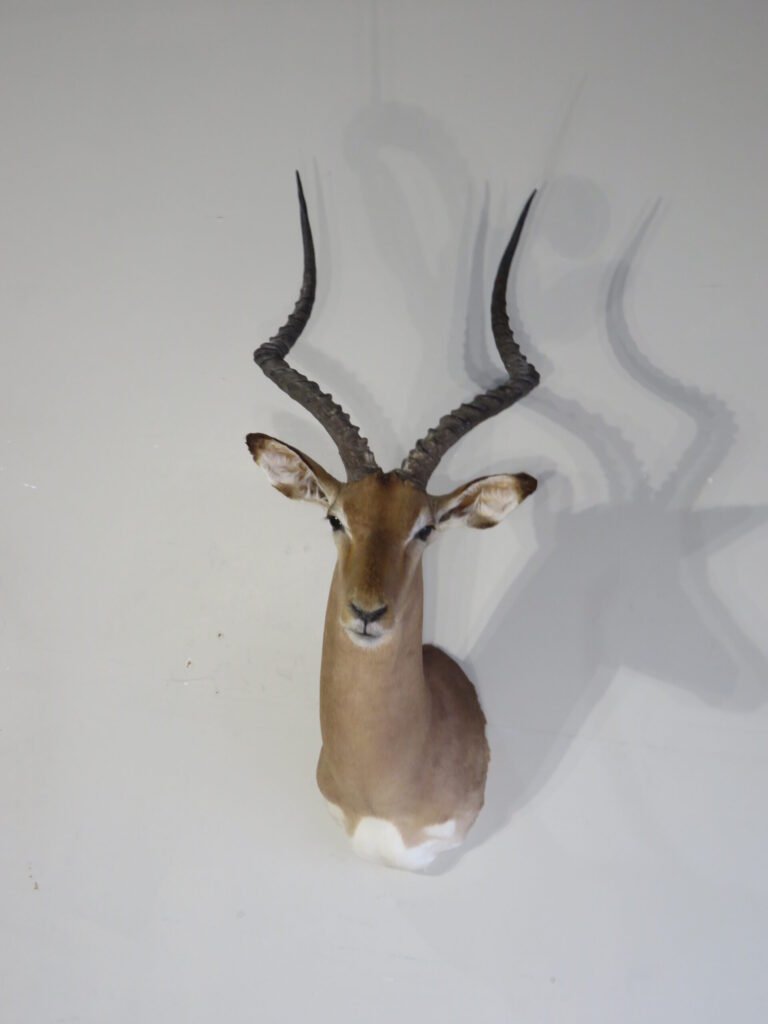
Impala Trophy Shoulder Mount, SCI Gross Score (Aepyceros melampus)
-
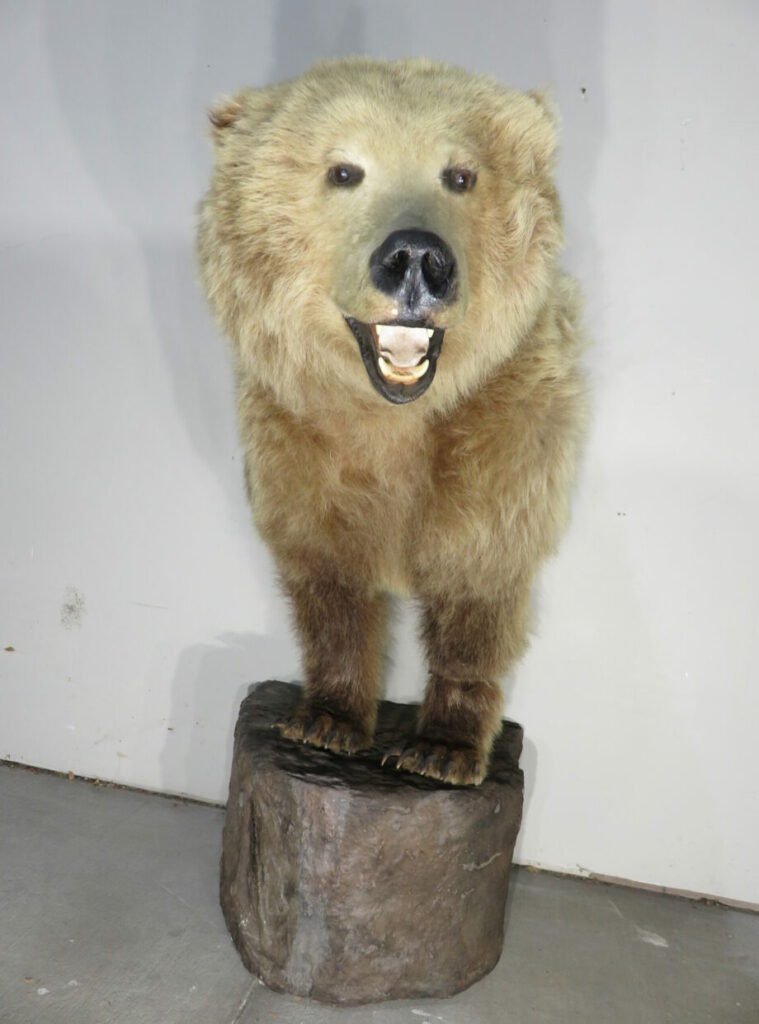
Kodiak Brown Bear Taxidermy Mount (Ursus arctos middendorffi)
-
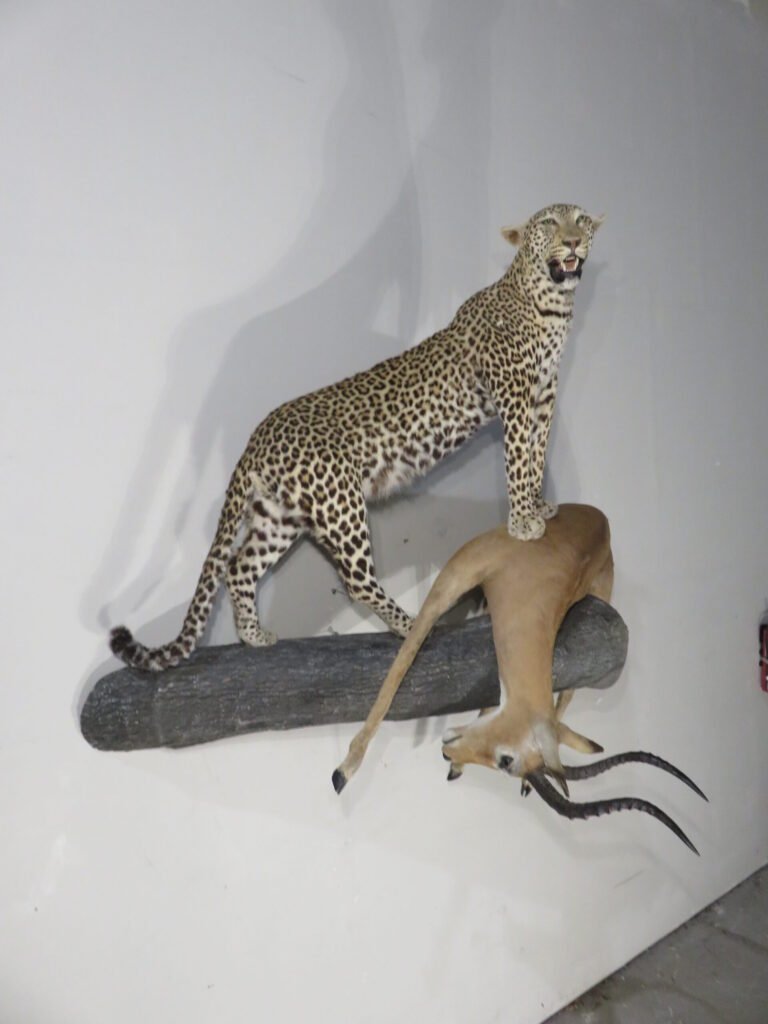
Leopard and Impala Trophy Mount (Panthera pardus & Aepyceros melampus)
-
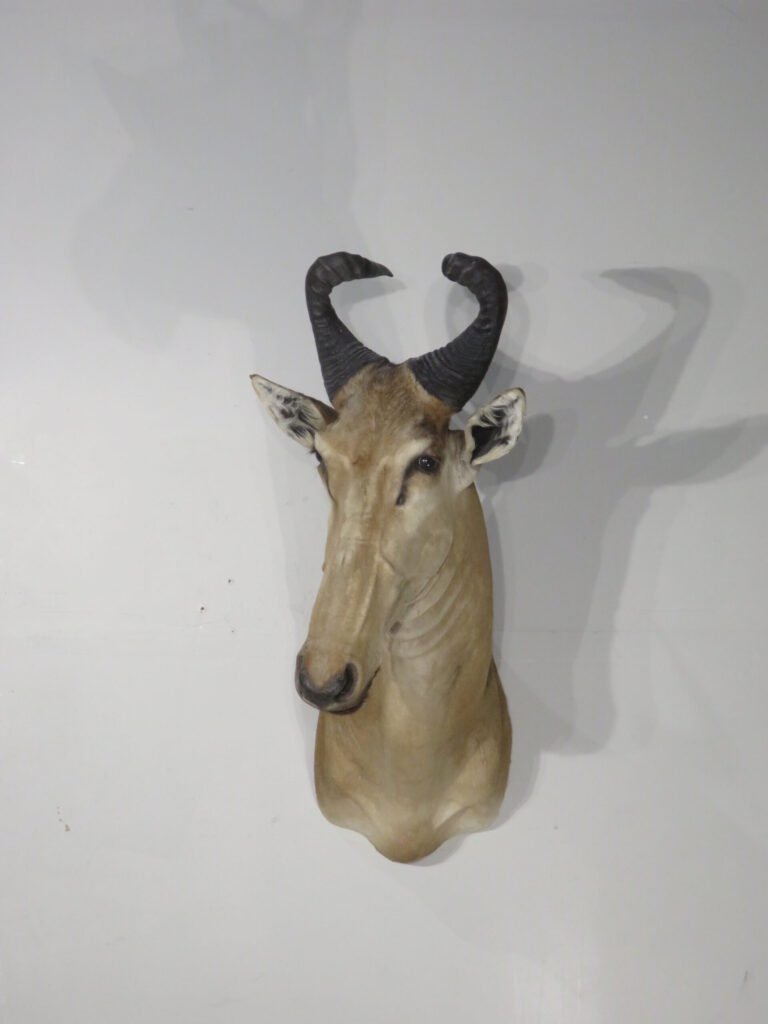
Lichtenstein’s Hartebeest Shoulder Mount (Alcelaphus lichtensteinii)
-
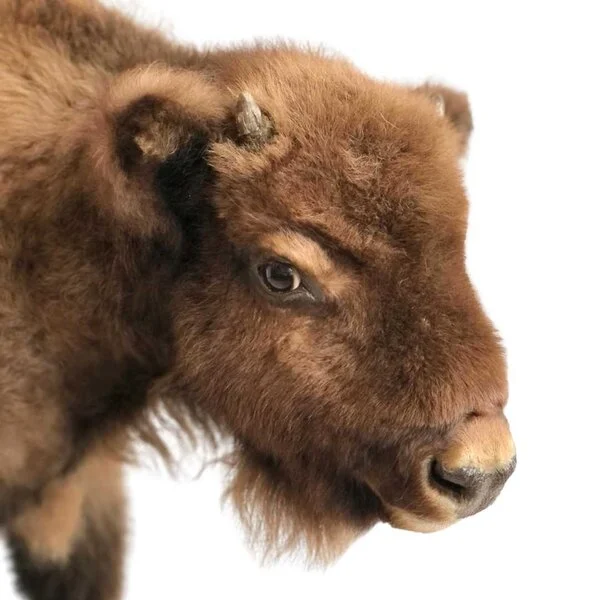
Mounted Bison Calf (Bison bison, Full Mount Taxidermy)
Wall pedestal vs. floor pedestal vs. shoulder mount
The three most common ways to display a deer are a wall pedestal, a floor pedestal, and a traditional shoulder mount, and they differ in how they are viewed and how much space they need. Here is the quick distinction most buyers are looking for.
| Mount type | Where it sits | Viewable from | Space needed | Look. |
|---|---|---|---|---|
| Shoulder mount | Flat on the wall | Front only | Wall | Classic, traditional |
| Wall pedestal | Projects out from the wall | Front and sides | Wall (projects out) | Dynamic, space-saving |
| Floor pedestal | Freestanding base | All angles | Floor space | Bold, museum-style |
A shoulder mount hangs flat and is viewed from the front, the traditional look. A wall pedestal attaches to the wall but projects outward on a base, so you see the front and sides while still saving floor space, a popular middle ground. A floor pedestal stands free on its own base and is viewable from every angle, the boldest, most dramatic option. Many wall pedestals can later be converted to floor pedestals if your space changes. Our guide to trophy mounts compares every mount style in depth.
Why choose a pedestal mount?
You choose a pedestal mount when you want your trophy to be a bold centrepiece seen from every side, rather than a flat wall piece. It is the most eye-catching way to display a deer or other game animal.
The main advantages are presentation and flexibility. A pedestal lets the taxidermist pose the animal naturally, turning the head, tucking a leg, and creating a sense of movement that a flat wall mount cannot. It can stand anywhere: a floor corner, a mantel, a desk, or a lodge centrepiece. And it shows off details that a wall mount hides: the sides of the face, the full sweep of the antlers, and the chest and shoulder. The trade-off is that a floor pedestal needs floor space and is usually a larger commitment than a simple wall mount. If you have the room and want maximum impact, the pedestal wins.
Deer pedestal mount ideas and poses
The pose is what makes a pedestal mount special, and there are several classic options to choose from. Because the animal is seen in the round, the pose does far more work than on a flat wall mount.
Here are the most popular pedestal poses and when each works best:
| Pose | Description | Best for |
|---|---|---|
| Upright alert | Head high, looking forward | Big trophy antlers, formal rooms |
| Turned head | Head turned to one side | Adding movement and life |
| Sneak / low | Head lowered, stalking pose | Natural, dramatic scenes |
| Semi-sneak | Head slightly lowered and turned | The most popular all-rounder |
| Full-body pedestal | Whole animal on a base | Maximum impact, needs space |
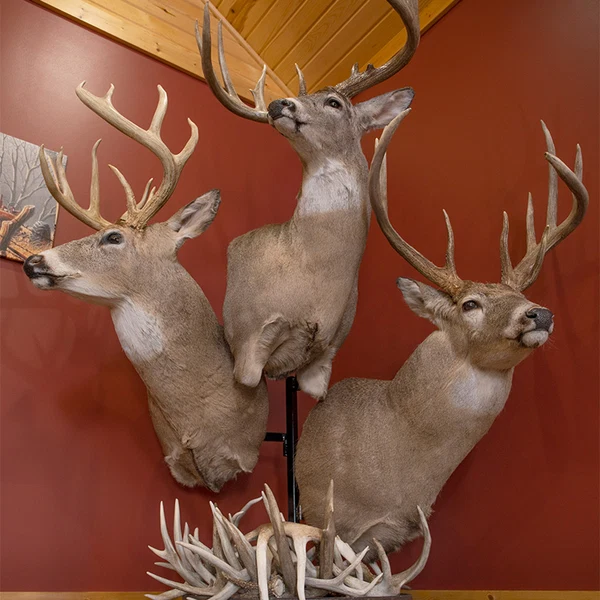
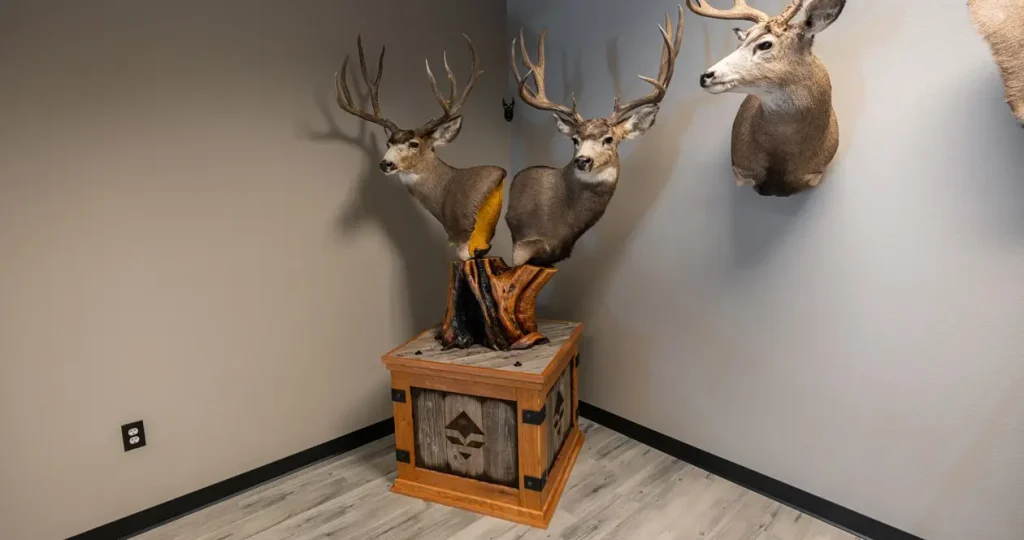
Beyond the pose, the base sets the mood: a polished hardwood column looks formal and classic, while driftwood, barnwood, or a natural branch gives a rustic, wild feel. Adding a habitat base with rock, moss, or snow turns the mount into a scene. For more on arranging mounts in a room, see our guide to displaying taxidermy.
Pedestal base types and materials
The base is half of a pedestal mount, and the material sets the whole mood of the piece. Choosing the right base matters as much as the pose.
The most common options each suit a different interior:
- Turned hardwood column: a smooth, polished wooden post, formal and classic, suits traditional trophy rooms and offices.
- Barnwood or driftwood: rough, natural wood with character, gives a rustic, cabin, or lodge feel.
- Natural branch or log: a real branch or trunk section, the most organic look, blends the mount into a wild scene.
- Metal stand: a powder-coated steel column, modern and minimal, and very sturdy for heavy mounts.
- Habitat base: a base built up with rock, moss, snow, or foliage, turning the mount into a full scene.
Match the base to the room and to the pose: a formal upright buck suits a polished column, while a sneaking deer looks right on driftwood or a habitat base. If you are buying a finished mount, the base is usually included, so factor its style into your choice.
Pedestal mounts for other animals
Pedestal mounts are not just for deer. The freestanding, view-in-the-round style suits almost any animal, and it is especially popular for birds and African game.
Turkeys are a favorite for pedestal display, with the fanned tail and strutting pose showing beautifully in the round on a base. Ducks and other game birds work well too. Among big game, African species like zebra, antelope, and impala are often shown as pedestal mounts, where the pose and full head can be admired from every side. Predators such as foxes and bobcats also suit dynamic pedestal poses. The principle is the same as for deer: the base and pose do the work, and the mount becomes a sculptural centrepiece. Browse our full range of taxidermy mounts for sale to see the options.
How to choose a pedestal mount
Choosing a pedestal mount comes down to the pose, the base, the size, and where it will live. Decide the space first, because a floor pedestal needs room and a wall pedestal does not.
Think about the viewing angle: if the mount will sit in a corner or against a wall, a wall pedestal or a semi-sneak pose facing the room works best; if it will stand in the open, a floor pedestal viewable from all sides makes the most of the space. Match the base to your interior: hardwood for a classic look, natural wood for rustic. And consider size honestly: a full-body pedestal is a commanding piece that needs real floor space, while a desk or tabletop pedestal suits smaller rooms. If you are commissioning your own trophy, your taxidermist will help you pick a pose; if you are buying a finished mount, choose the pose and base that suit your room.
Caring for a pedestal mount
A pedestal mount is cared for like any taxidermy: keep it out of direct sunlight and damp, dust it gently, and protect it from pests. Because a pedestal is viewable from all sides, it shows dust more than a wall mount, so regular light dusting keeps it looking its best.
Dust in the direction of the fur with a soft brush or a hairdryer on a cool setting, and keep the mount away from radiators, humidity, and direct sun, which fade and dry the piece over time. A freestanding pedestal on the floor is also more exposed to knocks and curious pets, so place it somewhere stable. Our guide to caring for taxidermy covers long-term preservation in full.
Buying a finished pedestal mount
If you want a pedestal mount without commissioning your own, you can buy a finished piece ready to display. This suits collectors, decorators, and anyone who wants the museum-style look without the hunt or the wait.
A finished pedestal mount is a completed taxidermy piece on its base, posed and ready to stand in your room. When buying, look at the pose and base as much as the animal, since those set the whole presentation, and buy from a seller who describes the specimen honestly and confirms it is legal to own and ship to you. Browse our taxidermy mounts for sale for finished pieces, each documented, ethically sourced, and shipped worldwide in secure, insured packaging. Questions about a specimen or its pose? Message us on WhatsApp before you buy.
Frequently asked questions
What is a pedestal mount?
A pedestal mount is a taxidermy mount set on a freestanding base rather than hung flat on a wall, so it can be viewed from multiple angles. It gives a bold, museum-style presentation and lets the animal be posed more dynamically.
What is the difference between a wall pedestal and a floor pedestal?
A wall pedestal attaches to the wall but projects outward on a base, so you see the front and sides while saving floor space. A floor pedestal stands free on its own base and is viewable from every angle but needs floor space. Many wall pedestals can be converted to floor pedestals later.
Is a pedestal mount better than a shoulder mount?
Neither is better; they suit different goals. A shoulder mount is the classic flat wall display viewed from the front. A pedestal mount is bolder, viewable from all sides, and lets the animal be posed dynamically, but it takes more space. Choose your room and the look you want.
What is the best pose for a deer pedestal mount?
The semi-sneak (head slightly lowered and turned) is the most popular all-rounder because it adds life and works in most rooms. An upright alert pose suits big trophy antlers, while a full sneak pose creates a dramatic, natural scene.
Can you buy a finished pedestal mount?
Yes. You can buy a completed pedestal mount posed and ready to display, which suits people who want the look without commissioning their own. Choose the pose and base that suit your space, and buy from a seller who documents the specimen and confirms legality.
How do you care for a pedestal mount?
Keep it out of direct sunlight and damp; dust gently in the direction of the fur, and protect it from pests. Because a pedestal is seen from all sides, it shows dust more than a wall mount, so dust it regularly and place it somewhere stable.
Make your trophy the centerpiece.
A pedestal mount turns a trophy into a centrepiece, seen from every angle, posed with life, and displayed like the sculpture it is. Now you know the difference between wall and floor pedestals, the best poses, how to choose, and how to care for one.
Ready to buy a finished pedestal mount? Browse our taxidermy mounts for sale, all documented, ethically sourced, and shipped worldwide in secure, insured packaging. Want to understand every mount style first? Read our guide to trophy mounts and our European mount guide. Questions? Message us on WhatsApp or email us. We are happy to help.