
How to Care for Taxidermy: A Complete Guide
Care for taxidermy by keeping it out of direct sunlight, holding humidity steady, dusting it regularly, and protecting it from pests. Do these four things well and a good mount will look its best for decades. This guide walks you through each one, plus how to clean fur, feathers, bone, and shell safely and when to call a professional.
Products by Category
-
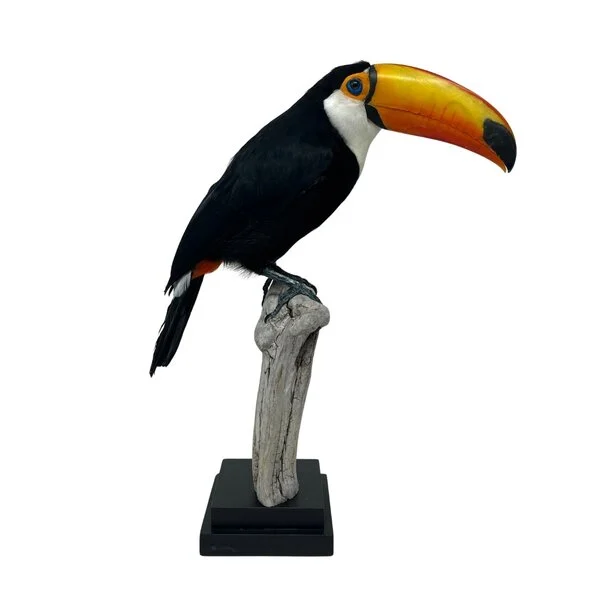
Mounted Toco Toucan (Ramphastos toco, Bird Taxidermy)
-
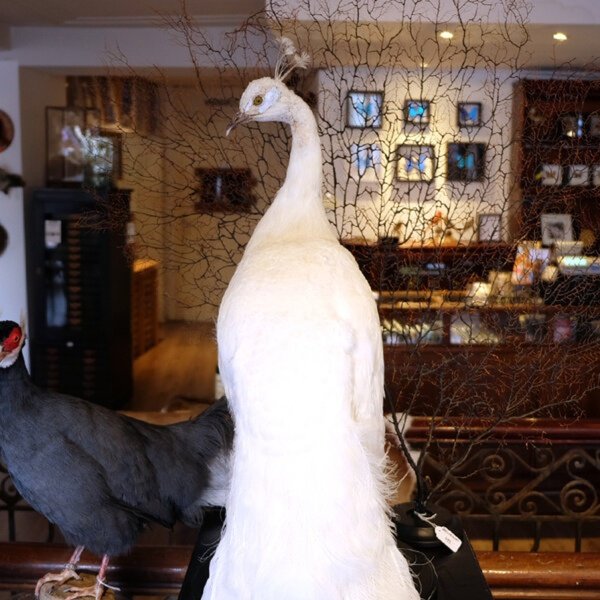
Mounted White Peacock (Pavo cristatus, Leucistic, Bird Taxidermy)
-
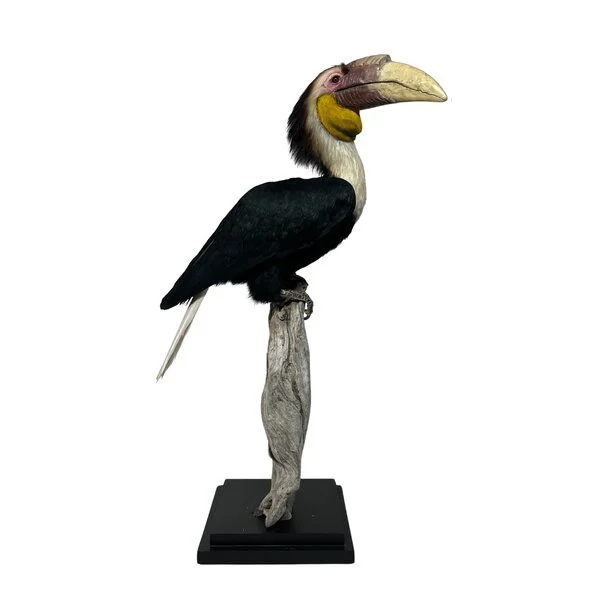
Mounted Wreathed Hornbill (Rhyticeros undulatus, Bird Taxidermy)
-
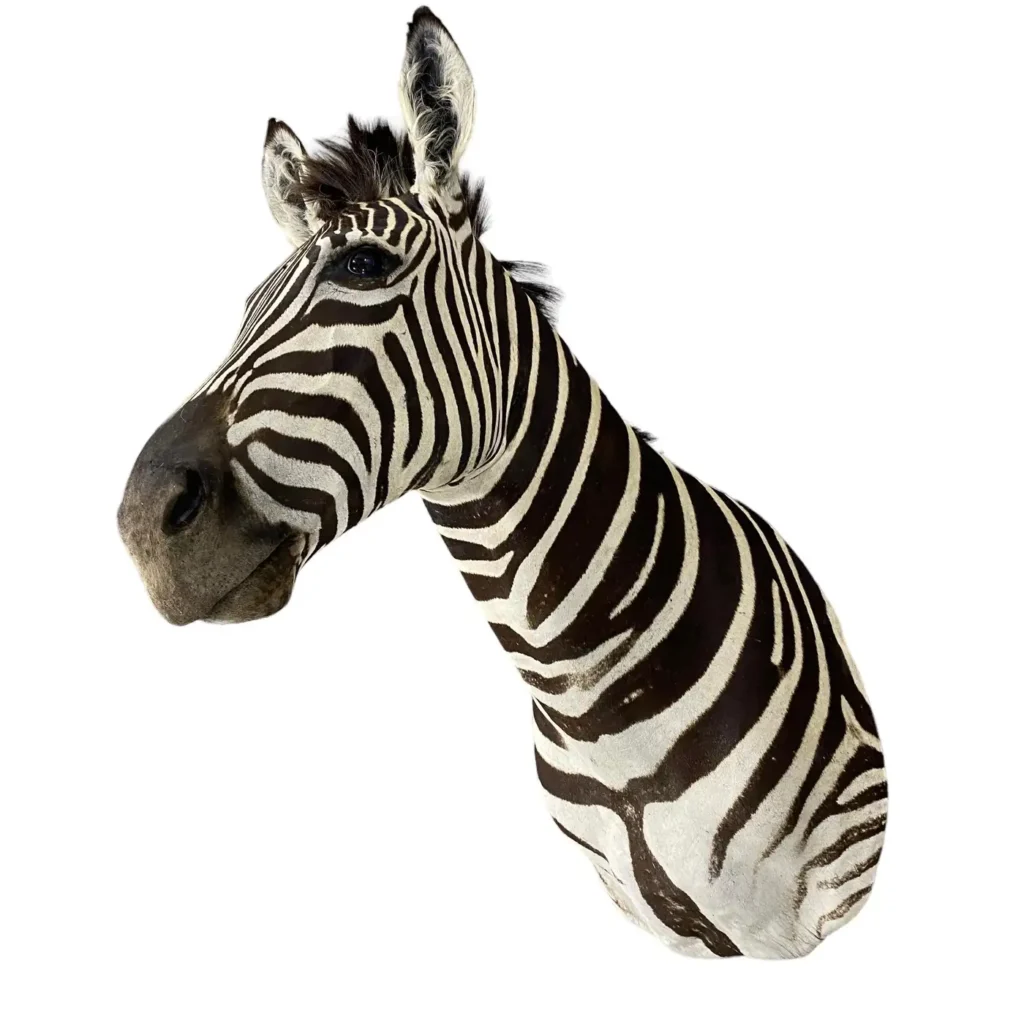
New Zebra Taxidermy Shoulder Mount Wall Display (Equus quagga)
-
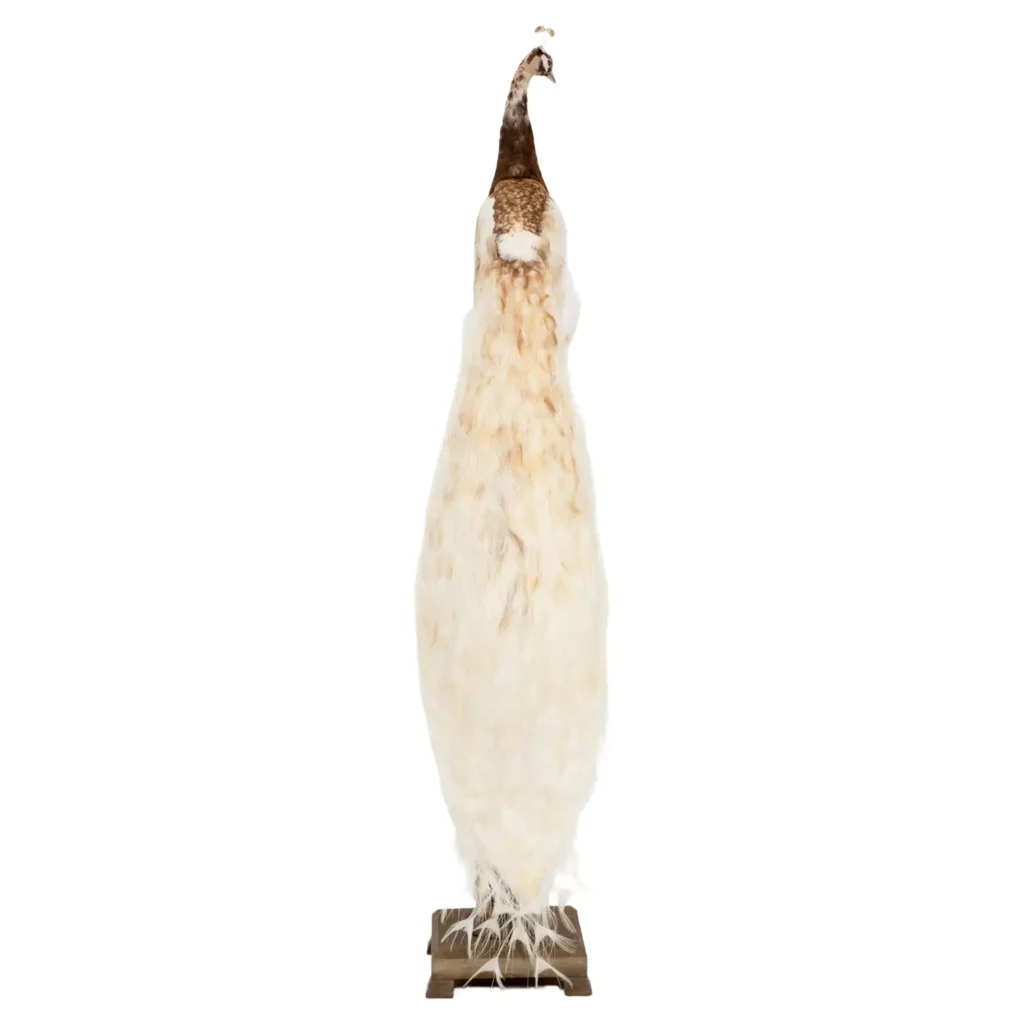
Pied Peacock Taxidermy Mount (Pavo cristatus, Pied)
-
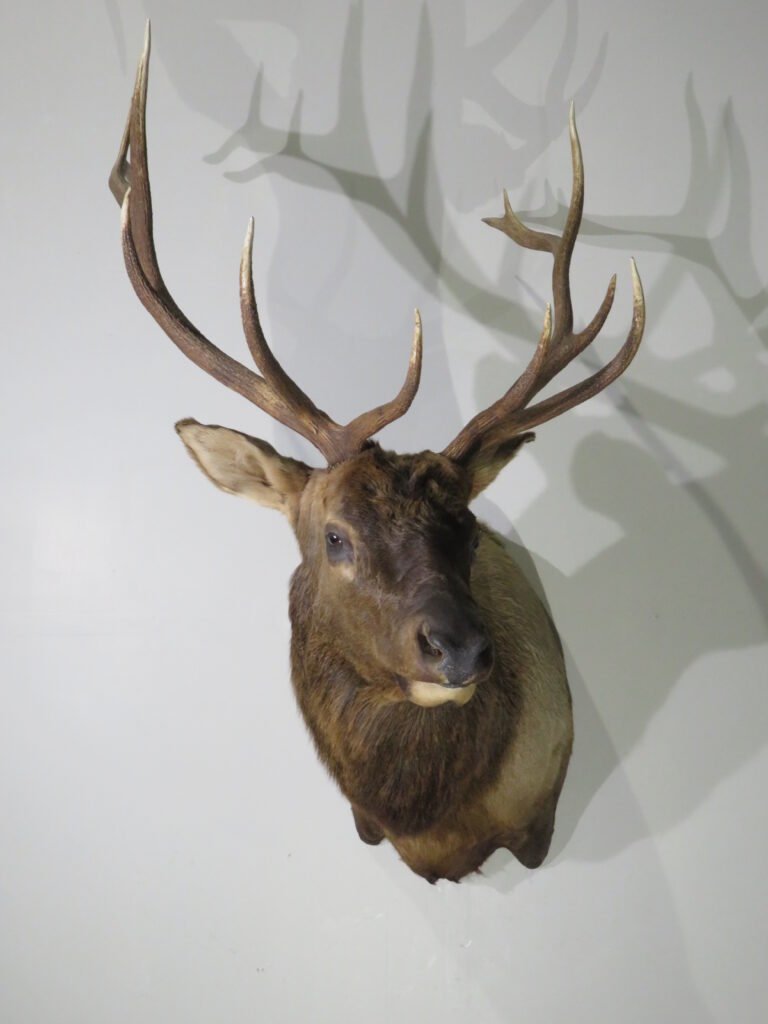
Rocky Mountain Bull Elk Shoulder Mount (Cervus canadensis)
-
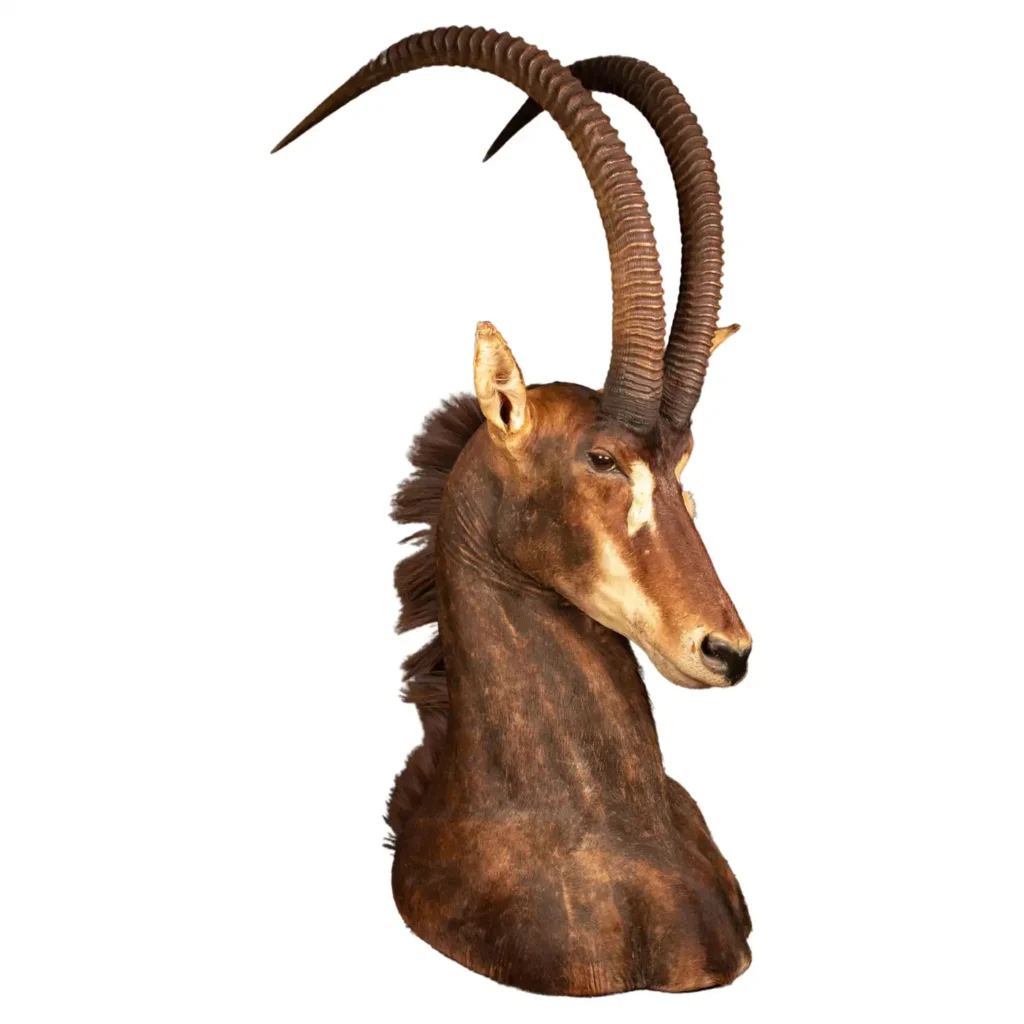
Table Mount Sable Antelope Taxidermy (Hippotragus niger)
-
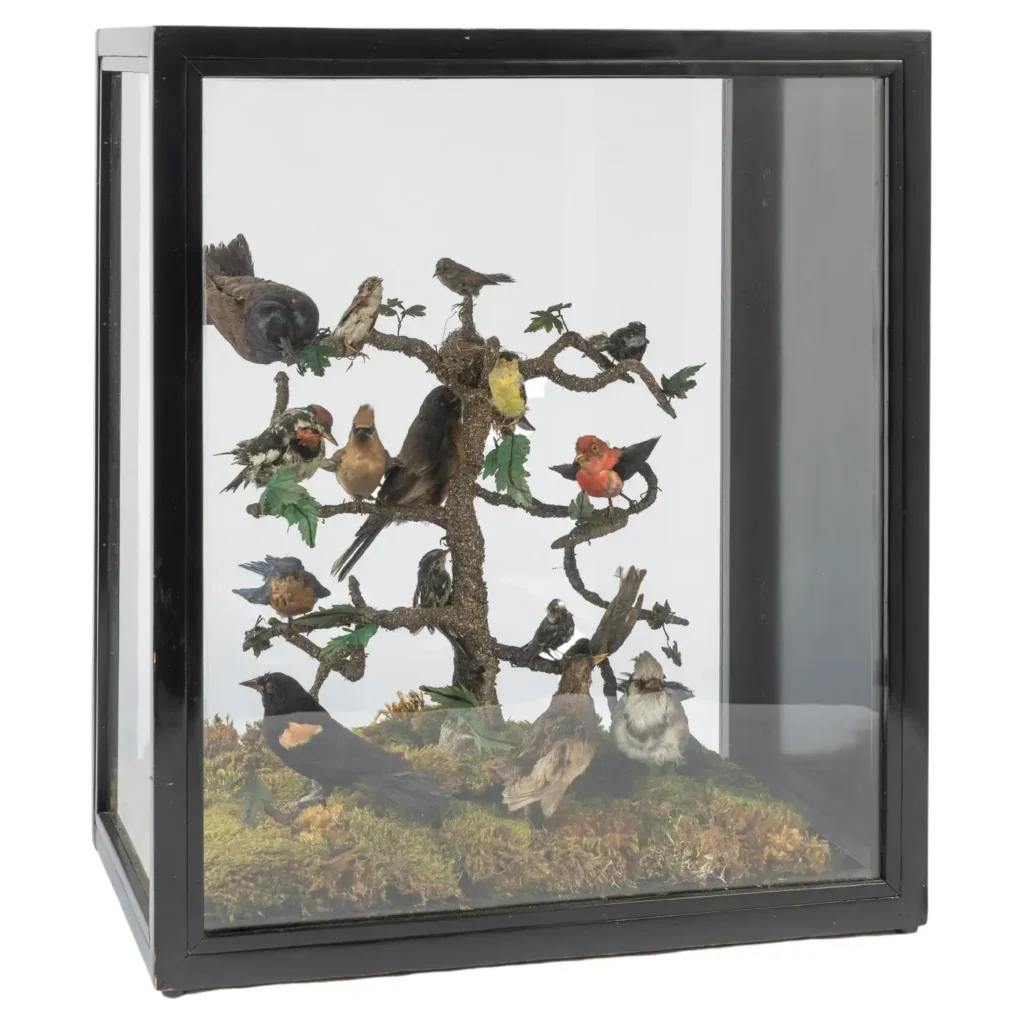
Victorian Glass Showcase with 16 Antique Birds
-
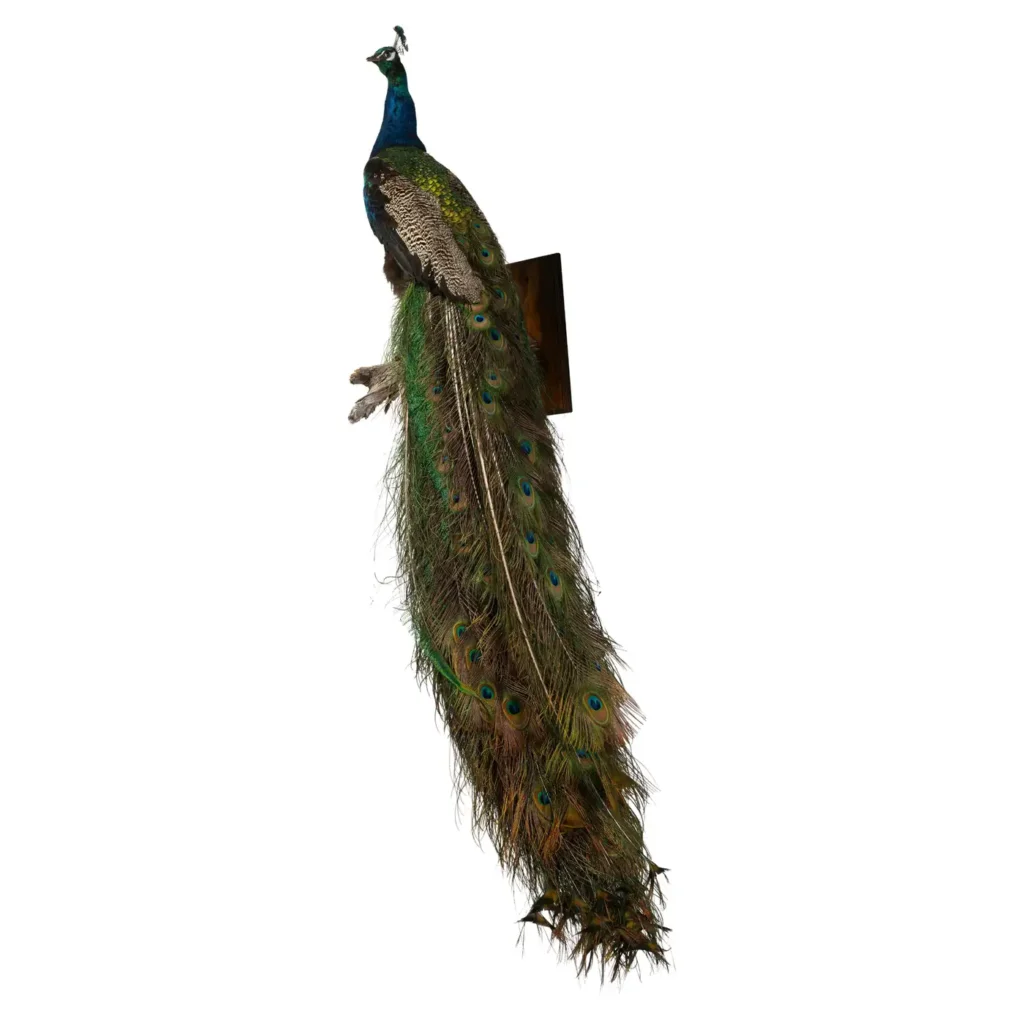
Victorian-Style Peacock on Timber Panel (Pavo cristatus)
Why taxidermy care matters
Taxidermy is a preserved animal, and preservation is not permanent without care. Light fades color. Damp invites mold. Dry air cracks skin and bone. Insects eat fur and feathers. None of this happens overnight, but neglect adds up. A little routine attention protects both the beauty and the value of your specimens.
The good news is that taxidermy care is simple. You do not need special equipment, just the right conditions and a gentle hand.
Keep taxidermy out of direct sunlight.
Direct sunlight is the biggest enemy of any mount. Ultraviolet light bleaches fur, feathers, and skin, and it dries out the specimen over time. A vivid bird or a rich red fox can fade to a dull ghost of itself within a few years in a sunny window.
Place your taxidermy away from windows that get strong sun. If a bright spot is unavoidable, use UV-filtering glass or a display case, and rotate the piece occasionally so no single side takes all the light.
Control humidity and temperature.
Aim for stable, moderate humidity and a steady room temperature. Big swings are what cause damage. Damp, humid air encourages mold and can loosen mounts. Very dry air, from radiators or air conditioning, shrinks and cracks skin, bone, and shell.
Keep taxidermy away from bathrooms, kitchens, and unheated outbuildings, where humidity spikes. Avoid placing mounts directly above radiators or heating vents. A normal, comfortable living room is close to ideal.
Dust and clean taxidermy safely.
Dust is the routine job, and the method depends on the specimen. Work gently and always in the direction of the fur or feathers.
- Fur and mammals. Dust with a soft brush or a clean, dry paintbrush, working in the direction the fur lies. For a deeper clean, wipe lightly with a barely damp cloth, then let it dry fully. Never soak fur.
- Feathers and birds. Feathers are delicate. Use a soft brush or a hairdryer on a cool, low setting to lift dust, always following the lie of the feathers. Do not rub.
- Bone and antler. Dust with a soft, dry brush. Avoid water and cleaners, which can stain or damage bone.
- Shell and marine specimens. Wipe gently with a soft, dry cloth. Do not use polishes or oils, which can build up and discolor the surface.
Skip household sprays, polishes, and solvents on all taxidermy. They can stain, strip color, or leave residues that attract dust.
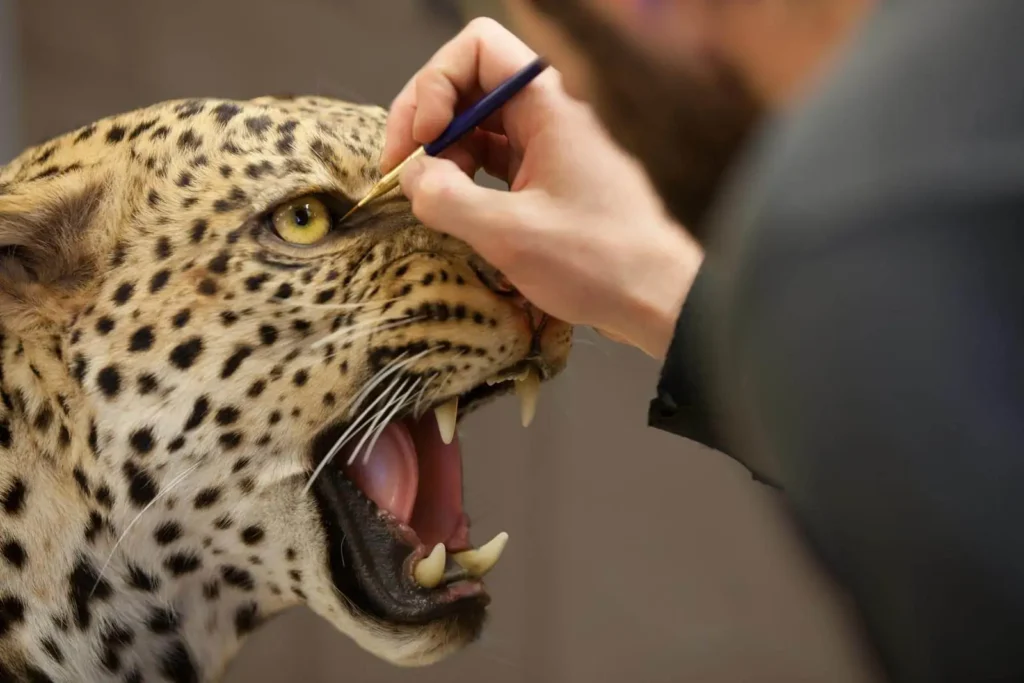
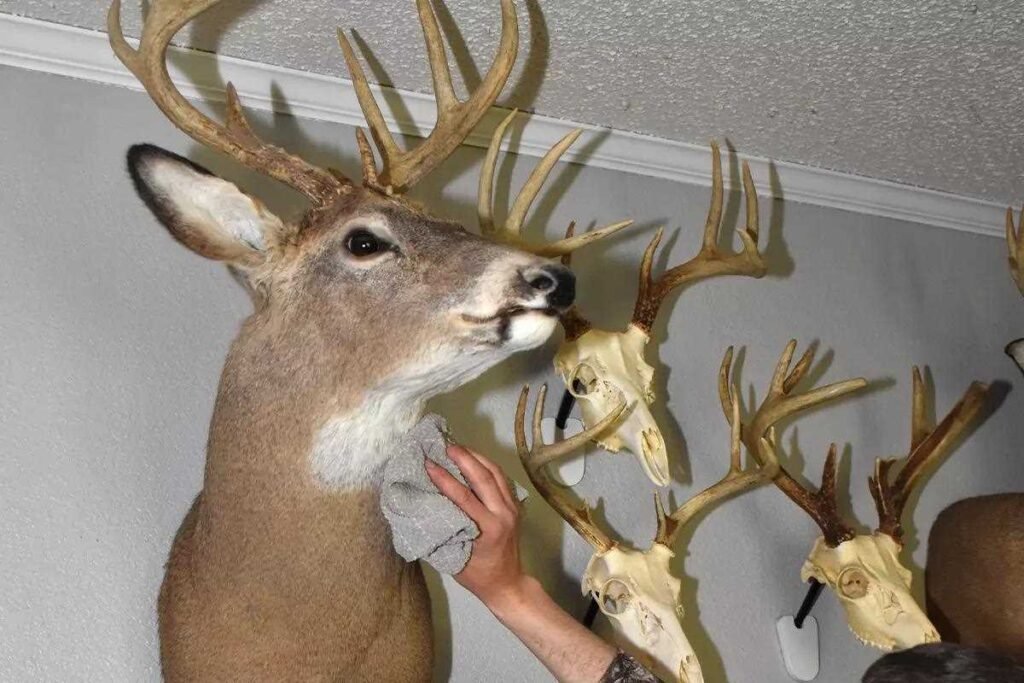
How to clean a deer mount and other mammals
A deer shoulder mount is the most common piece people own, so it is worth covering in detail. To clean a deer mount, dust it first with a soft brush, working from the top of the head down and always in the direction the hair lies. Pay attention to the recesses around the eyes, ears, and nose, where dust gathers.
For a deeper clean on fur, lightly dampen a clean cloth with water, wring it almost dry, and wipe gently in the direction of the hair, then let the mount air dry fully. Never soak the hide. The eyes and nose can be wiped with a barely damp cloth to restore their shine, since a dusty eye is the fastest way to make a mount look dead. The same method works for foxes, boars, big-game mounts, and any furred mammal. For horns and antlers on the mount, a dry cloth is enough; avoid oiling them unless they look very dry, and then use only a tiny amount of a suitable care oil.
How to clean a taxidermy bird
Birds are the most delicate mounts and need the gentlest hand. To clean a taxidermy bird, use a soft brush or a hairdryer on a cool, low setting to lift dust, always following the lie of the feathers, never against them. Work slowly and never rub, since bent or broken feathers are very hard to repair.
For a bird with dulled plumage, some collectors lightly dust the feathers with a soft brush dipped in a little cornmeal or fine sawdust, then brush it out again, which lifts grease and grime. This is an advanced step, so practice gently. The best long-term protection for a bird is a glass dome or case, which is exactly why so many antique cased birds survive in fine condition. Keep birds especially far from direct sun, as feather color fades faster than fur.
Products by Category
How to clean fish, skulls, and hides
Different specimens need different methods, so here is a quick guide to the ones people ask about most.
- Fish mounts. Dust gently with a soft, dry cloth, following the scales. Both skin mounts and replica fish mounts are painted, so never use water or cleaners, which can lift the paint. Keep out of sunlight to protect the colors.
- Skulls and European mounts. Dust with a soft, dry brush. Do not wash bones or use cleaners. If a white skull yellows over years, that is grease rising, and re-whitening is a job for a specialist, not household bleach.
- Hides and rugs. Vacuum gently on a low setting through a mesh screen, or shake and brush lightly in the direction of the fur. Keep off damp floors and out of direct sun, and rotate them occasionally so wear is even.
- Reptiles and shells. Wipe with a soft, dry cloth. Avoid oils and polishes, which build up and discolor.
Protect taxidermy from pests.
Insect pests are the hidden threat, and prevention beats cure. The main culprits are clothes moths and dermestid beetles, whose larvae eat fur, feathers, and skin from the inside out.
Watch for the warning signs: loose fur or feathers, fine powder or frass beneath a mount, small holes, or tiny larvae. To protect your specimens:
- Inspect mounts regularly, especially in spring and summer when pests are active.
- Keep specimens clean, since dust and grease attract insects.
- Use a display case for valuable pieces to keep pests out.
- If you find an active infestation, isolate the piece immediately. Freezing a specimen for a week at a low temperature can kill larvae, but for valuable mounts, consult a professional first.
How to treat an infestation step by step
If you spot the signs of pests, act quickly, because the damage is cumulative. First, isolate the affected mount away from all your other specimens, since these pests spread. Seal it in a large plastic bag. Then freeze it: place the bagged amount in a freezer at the lowest setting for at least a week, which kills eggs, larvae, and adult beetles. Some collectors repeat a freeze-thaw-freeze cycle to be certain, thawing for a few days between two week-long freezes so any newly hatched eggs are also killed.
After treatment, clean out any frass, shed casings, and loose fur or feathers, and inspect the mount closely for damage. Keep the piece isolated and check it again after a few weeks. For a valuable, antique, or large mount, take it to a professional conservator rather than risk home treatment, since aggressive freezing can occasionally crack a poorly prepared old mount. Prevention remains far easier than cure: regular inspection and a clean, cased display stop most infestations before they start.
Handle and move taxidermy carefully.
Handle taxidermy by its most solid points and support the whole piece. Never lift a mount by a leg, wing, antler, or tail, as these are the parts most likely to break. Use clean, dry hands or soft gloves, since oils from skin can mark fur and feathers over time.
When moving a large or fragile mount, support the base and the body together. Plan the route before you lift, and clear space at the destination so you are not holding the piece while you rearrange furniture.
Care at a glance by specimen type
| Specimen | Dust with | Avoid | Main risk |
|---|---|---|---|
| Mammals (fur) | Soft brush, direction of fur | Soaking, solvents | Moths, fading |
| Birds (feathers) | Soft brush, cool air | Rubbing, water | Feather damage, pests |
| Bone and antler | Soft dry brush | Water, cleaners | Staining, cracking |
| Marine and shell | Soft dry cloth | Polishes, oils | Residue, dryness |
A seasonal taxidermy care routine
A simple seasonal routine keeps problems from ever starting. You do not need to do much; just do it consistently.
- Spring. Inspect closely for pests as insects become active. Check underneath and behind mounts for shed fur, powder, or larvae. Dust everything.
- Summer. Watch humidity and sun. Keep specimens out of the strongest light and check that damp is not building up in warm, still air.
- Autumn. Dust again and check that heating, once it comes on, is not drying or overheating any piece. Move mounts away from newly active radiators.
- Winter. Watch for very dry indoor air. If a room gets parched, a little humidity control protects skin, bone, and shell from cracking.
Twice-yearly close inspections, plus regular light dusting, catch nearly every issue before it does harm.
How to store taxidermy safely
Sometimes you need to store a piece rather than display it. Store taxidermy in a cool, dry, dark, and well-ventilated space, never a damp basement or a hot attic. Both extremes damage specimens.
Wrap a mount loosely in acid-free tissue or a breathable cover, not sealed plastic, which traps moisture and encourages mold. Support the piece so nothing bends or bears weight, and keep it off the floor. Add a pest deterrent nearby and check the specimen every few months rather than leaving it sealed away and forgotten. Good storage is just good display conditions without the display.
The simple toolkit for taxidermy care
You need very little to care for taxidermy well and nothing expensive. A basic kit covers almost everything.
- A soft brush. A clean, natural-bristle paintbrush or a soft artist’s brush handles routine dusting on fur, feathers, and bone.
- A microfiber or lint-free cloth. For wiping shell, horn, and smooth surfaces.
- A hairdryer with a cool setting. For lifting dust from feathers without touching them.
- Soft gloves. To handle specimens without leaving oils on fur or feathers.
- A small torch. For close pest inspections in awkward corners and undersides.
Keep these together and care becomes a five-minute habit rather than a chore. Avoid anything harsh: no household polishes, no solvents, and no wet cleaning of fur or bone. Gentle and dry is the rule for almost every specimen.
Common taxidermy cleaning mistakes to avoid
Most damage to a mount is accidental, done by an owner trying to help. Avoid these mistakes and you will keep any specimen in good condition.
- Using household cleaners. Furniture polish, glass cleaner, and all-purpose sprays stain fur, strip color, and leave residues that attract dust. Plain dusting is almost always enough.
- Wetting the specimen. Soaking fur, feathers, or bone causes matting, loosening, and mold. Any damp cleaning uses a barely moist cloth and thorough drying.
- Brushing against the grain. Always work in the direction of the fur or feathers. Going against it bends and breaks them.
- Displaying in sunlight. The most common long-term mistake, and the most damaging. The sun fades and dries every kind of mound.
- Ignoring the early signs of pests. A small amount of frass or a few loose hairs is a warning. Act on it before an infestation takes hold.
- Over-oiling antlers or bones. A little goes a long way, and too much attracts dust and darkens the surface.
Restoring an old or inherited mount
Many people inherit an old mount or pick one up at auction and wonder whether it can be saved. Often it can. Start by assessing the piece: gently dust it, check for active pests and treat them as above, and look for structural problems like loose seams, cracked ears, faded color, or a detached base.
Light issues are within reach of a careful owner. Dust and surface grime can be cleaned with the gentle methods above, and a tired mount often looks far better after nothing more than a thorough, careful clean and fresh glass eyes. Deeper problems, torn skin, major fading, broken forms, or extensive insect damage are a job for a professional taxidermist or conservator, who can re-groom, repair, and re-finish a mount to a high standard. Before you spend on restoration, weigh it against the value of the piece. A sentimental family mount is always worth saving; a common, badly damaged one may not be. When in doubt, a professional will tell you honestly whether a mount is worth restoring.
When to call a professional
Call a professional taxidermist or conservator for serious problems: active pest infestations in a valuable piece, mold, structural damage, or repairs to a broken mount. Home care handles routine dusting and prevention, but restoration is skilled work. Trying to fix a valuable specimen yourself can do more harm than good.
Good routine care means you rarely need a professional. Steady conditions, regular dusting, and pest checks keep most mounts in excellent shape for a lifetime.
Frequently asked questions
How do you clean a dusty taxidermy mount?
Dust gently with a soft brush in the direction of the fur or feathers. For birds, a hairdryer on cool and low lifts dust safely. Avoid water on bone, and never use household polishes or solvents.
How do you protect taxidermy from moths and beetles?
Inspect regularly, keep specimens clean, and use display cases for valuable pieces. If you find an infestation, isolate the mount at once and seek professional advice for anything valuable.
Can taxidermy be kept in a bright room?
Keep it out of direct sunlight, which fades and dries specimens. If a room is bright, use UV-filtering glass or a case and rotate the piece occasionally.
Does taxidermy last forever?
Well-made taxidermy can last for many decades or longer with good care. Light, damp, dry air and pests are what shorten its life, and all four are easy to manage.
Where should you not put taxidermy?
Avoid bathrooms, kitchens, unheated outbuildings, sunny windows, and spots directly above radiators. Steady, moderate conditions in a normal living space are best.
How do you clean a deer mount?
Dust with a soft brush in the direction of the hair, working from the head down and into the recesses around the eyes, ears, and nose. For a deeper clean, wipe with a barely damp cloth in the direction of the hair and let it dry fully. Wipe the eyes and nose to restore their shine.
How do you get bugs out of taxidermy?
Isolate the mount, seal it in a plastic bag, and freeze it at the lowest setting for at least a week to kill eggs and larvae. Then clean out any debris and inspect it. For valuable or antique mounts, use a professional conservator instead.
Can old taxidermy be restored?
Often, yes. A careful clean, pest treatment, and fresh glass eyes revive many old mounts. Deeper damage like torn skin or heavy fading needs a professional taxidermist. Weigh the cost against the value of the piece.
Is it safe to have old taxidermy in the house?
Modern taxidermy is safe. Very old antique mounts were sometimes treated with arsenic-based preservatives, so wash your hands after handling a genuine antique, keep it cased where possible, and consult a conservator if you are unsure about a very old piece.
Build a collection that lasts.
Good care protects the specimens you love. Browse museum-quality taxidermy birds and taxidermy mammals at The Bones Vault, and read our full guide to collecting taxidermy and natural history specimens. We ship worldwide in 3 to 5 days.